1. Home
  2. Phones
  3. Apple
  4. Computing
  5. Emerging Tech
  6. Mobile
  7. News

Apple patents a way to get rid of those ugly white plastic strips on your iPhone

Add as a preferred source on Google

A new Apple patent has been published, which could provide a hint about how a future version of the iPhone may not have to include those plastic strips on the rear panel. Apple is forced to use the plastic inserts to ensure the phone’s antennas operate correctly, because the anodized aluminum body doesn’t let radio signals pass through it.

The patent is for a ‘non-capacitive or radio frequency-transparent material with anodized metal appearance,’ a very descriptive title that tells us almost all we need to know. Apple’s idea is to make a composite material that looks and feels like the metal covering an iPhone today, but which doesn’t need any plastic strips running across it to make the phone part work normally.

Recommended Videos

Apple calls the creation of devices that require radio wave transparency a ‘design challenge,’ and at the moment the visible plastic in metal or glass surfaces ‘can detract from the smooth and continuous look of the metallic housing.’ In other words. Apple hates the fact it can’t make the already pretty sleek iPhone completely free of ugly design compromises.

Delving deeper into the document, Apple doesn’t only see the new material being used for smartphone and tablets. It also talks about using the composite to make trackpads and touch sensitive surfaces on laptops, and discusses how it could boost Bluetooth connectivity in addition to radio frequencies on smartphones.

This isn’t the first time Apple has tried to solve reception problems using a new type of composite material. Way back in 2011, it filed a patent for a composite made up of foam cells that would create RF transparent windows in the body of a device, while avoiding the need to make any alterations to the design.

Apple is working hard to come up with a solution to a problem that it clearly finds irritating, but the fact it’s still at it four years later proves not all its patents turn into innovations ready for inclusion on an iPhone we’ll actually end up using, and that could also be the case for the composite discussed in the latest patent.

You can read the highly technical description of Apple’s new patent here.

Andy Boxall
Andy has written about mobile technology for almost a decade. From 2G to 5G and smartphone to smartwatch, Andy knows tech.
I went hands-on with Samsung Galaxy Z Fold 8 Ultra. It’s peak foldable in an old garb. 
It may not look like a fresh start, but underneath the familiar chassis, there's plenty of thoughtful engineering tweaks.
Samsung Galaxy Z Fold 8 Ultra

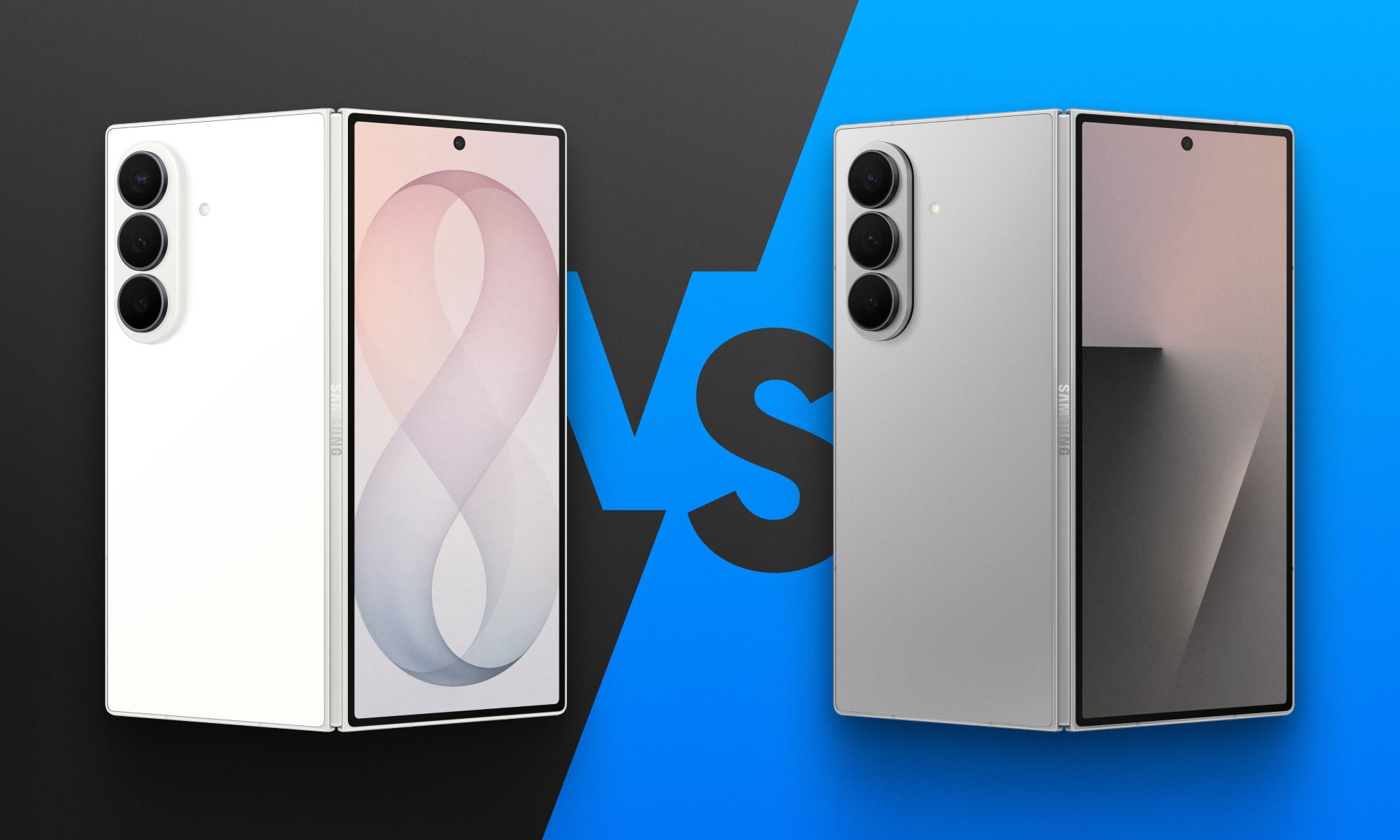
Samsung just wrapped up its glitzy Unpacked event, revealing three new foldable phones and a pair of smartwatches. While my heart flutters for the pocketable Galaxy Z Fold 8, it’s the Ultra variant that truly feels like a refinement. Interestingly, when you look at the Galaxy Z Fold 8 Ultra for the first time, you might mistake it for the Galaxy Z Fold 7.

Both of them look identical, and Samsung has not made any visible changes on the Galaxy Z Fold 8 Ultra for it to stand out from its predecessor. Color options, obviously, are fresh this time around, but there are a few changes that have been made under the hood, and they make this phone feel like a practically rewarding iteration.

Read more
Fold 8 Ultra vs. Fold 7: Upgrades across the board, but is the Ultra really worth the upgrade?
From battery capacity to camera hardware, here's a full comparison between the Galaxy Z Fold 8 Ultra and Galaxy Z Fold 7, and whether upgrading actually makes sense.
Galaxy Z Fold 8 Ultra vs. Fold 7

Foldables age differently than regular smartphones or flagships. But why do I say this? It's the hinge and the foldable aspect that wins buyers over in the first place, not the specifications that get outdated every single year. That's precisely why anyone still carrying last year's Galaxy Z Fold 7 is asking a fair question today: does Samsung's freshly unveiled Z Fold 8 Ultra genuinely earn an upgrade, or does the Fold 7 still hold its ground?

And for shoppers who skipped last year's model entirely and are weighing their first foldable purchase, the calculus is totally different. A now-discounted Fold 7 might undercut the Ultra by a considerable sum, and that could matter to those looking to spend on the form factor, not the latest specifications. 

Read more
Samsung makes it easier to run multiple apps on Galaxy Z Flip 8’s cover screen
Samsung's Galaxy Z Flip 8 now runs 16 apps on its cover screen.
Galaxy Z Flip 8 cover display

Samsung is finally making the Galaxy Z Flip's cover screen much more useful. With the new Galaxy Z Flip 8, you no longer have to rely on workarounds to access more apps without unfolding the phone. Instead, Samsung has expanded native support on the FlexWindow, allowing 16 apps to run directly on the outer display and also making it much easier to launch virtually any other app.

The update addresses one of the biggest complaints Flip users have had for years and brings Samsung up to the level of rivals like Motorola, whose Razr series has long offered a more flexible cover screen experience.

Read more