1. Home
  2. Cars
  3. News

A new sodium battery posts wild four-minute charging numbers, but don’t expect it in an EV yet

The breakthrough could improve fast charging and battery life, but the study hasn’t demonstrated those results in a production-sized pack

Add as a preferred source on Google
EV Charger
Unsplash

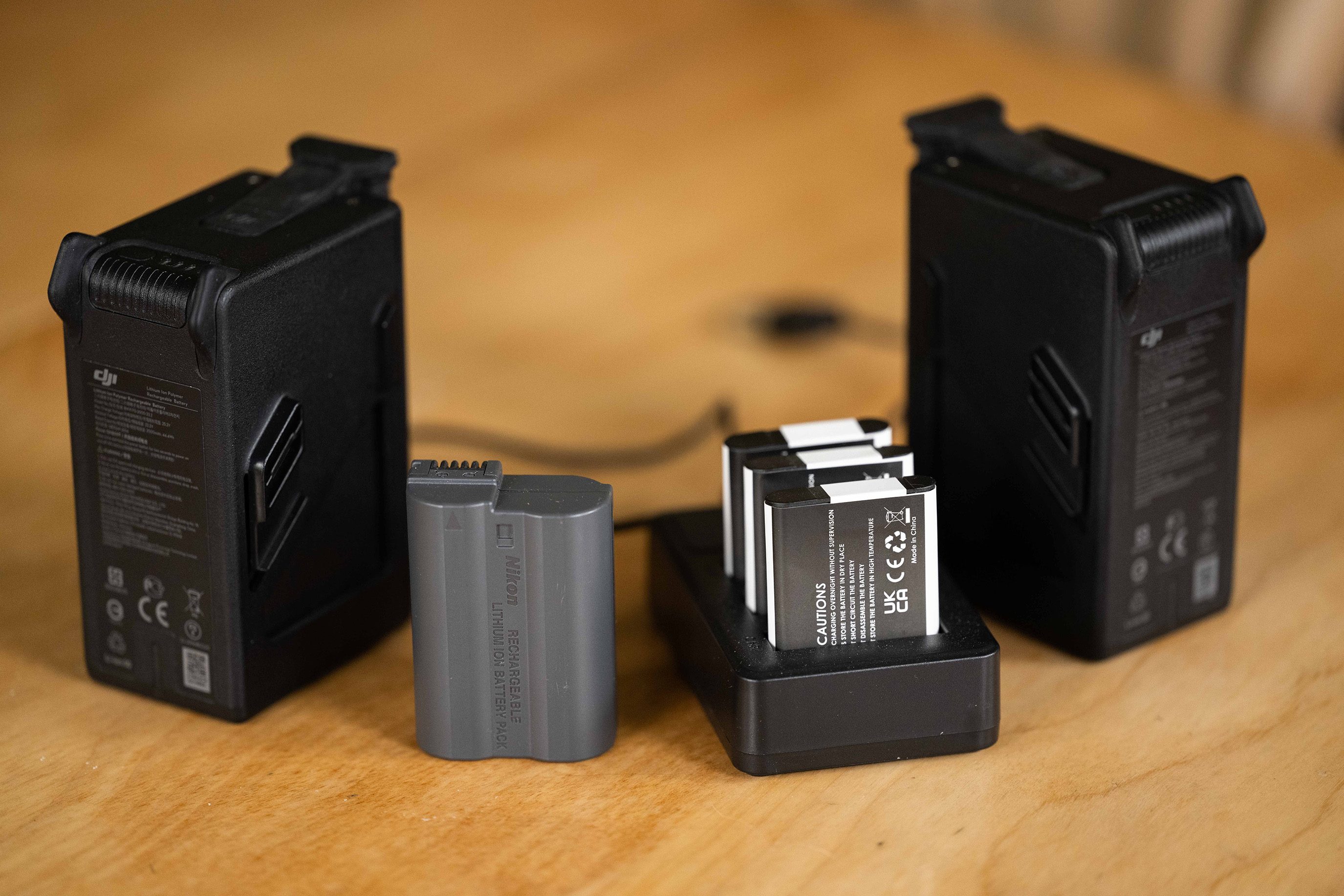
A new sodium-metal battery has posted a charging number that makes today’s EVs look painfully slow. In laboratory testing, the cell operated at a 15C rate, equivalent to completing a charge or discharge in roughly four minutes.

That doesn’t mean researchers plugged in an electric car and watched it fill up before the driver finished buying coffee. The result came from a small experimental cell using a new quasi-solid electrolyte, while the larger pouch-cell prototype delivered far less dramatic performance.

How did it reach four minutes

The battery uses a gel electrolyte called Sn-FB QSE, which helps sodium ions move more evenly and keeps the metal surface stable during charging.
That stability addresses one of the biggest problems facing sodium-metal batteries. Sodium can form sharp deposits called dendrites, which may grow through the cell and cause a short circuit. The tougher gel structure reduced the weak spots where those deposits usually begin.

Recommended Videos

At 15C, the full cell still delivered 80.1 mAh per gram. It’s an impressive laboratory result, but a four-minute test rate isn’t the same as charging an EV pack from empty under real-world heat, power, and safety constraints.

Where the longevity claim changes

The battery’s strongest durability result came at a slower 3C rate, equivalent to about 20 minutes. Under those conditions, the full cell retained 90% of its capacity after 2,000 cycles.

A separate sodium-to-sodium test ran for more than 6,000 hours without failing. That simplified setup checks whether sodium deposits evenly, though it isn’t a complete battery powering a device.

These results show that the electrolyte improved stability across several experiments. They don’t show one cell combining four-minute charging, 2,000-cycle retention, and 6,000-hour endurance in a single test.

Why an EV is still far away

The researchers also built a small pouch-cell prototype, which is closer to the battery format used in real products. It retained 84% capacity after 19 cycles at a slow 0.1C rate. Another version held 60% after 100 cycles at 0.2C under light pressure.

Neither pouch cell matched the headline charging speed or lifespan. The next meaningful milestone is a larger pouch cell that can maintain fast charging without rapid degradation across hundreds of cycles without pressure or punctures.

Paulo Vargas
Paulo Vargas is an English major turned reporter turned technical writer, with a career that has always circled back to…
The Apple Car may be dead, but it became the foundation of Apple Intelligence
A decade of work on a canceled car project reportedly laid the groundwork for Apple Intelligence.
Apple Intelligence in Apple Car

The Apple Car may have never left the garage, but it apparently gave birth to Apple's AI ambitions. According to Bloomberg's Mark Gurman, Apple's canceled autonomous vehicle project, one that consumed more than a decade of work and over $10 billion before being scrapped in 2024, ended up laying the technological foundation for Apple Intelligence. In a rather ironic twist, one of Apple's most expensive failures may also become one of its most important long-term investments.

The Apple Car forced Apple to think like an AI company

Read more
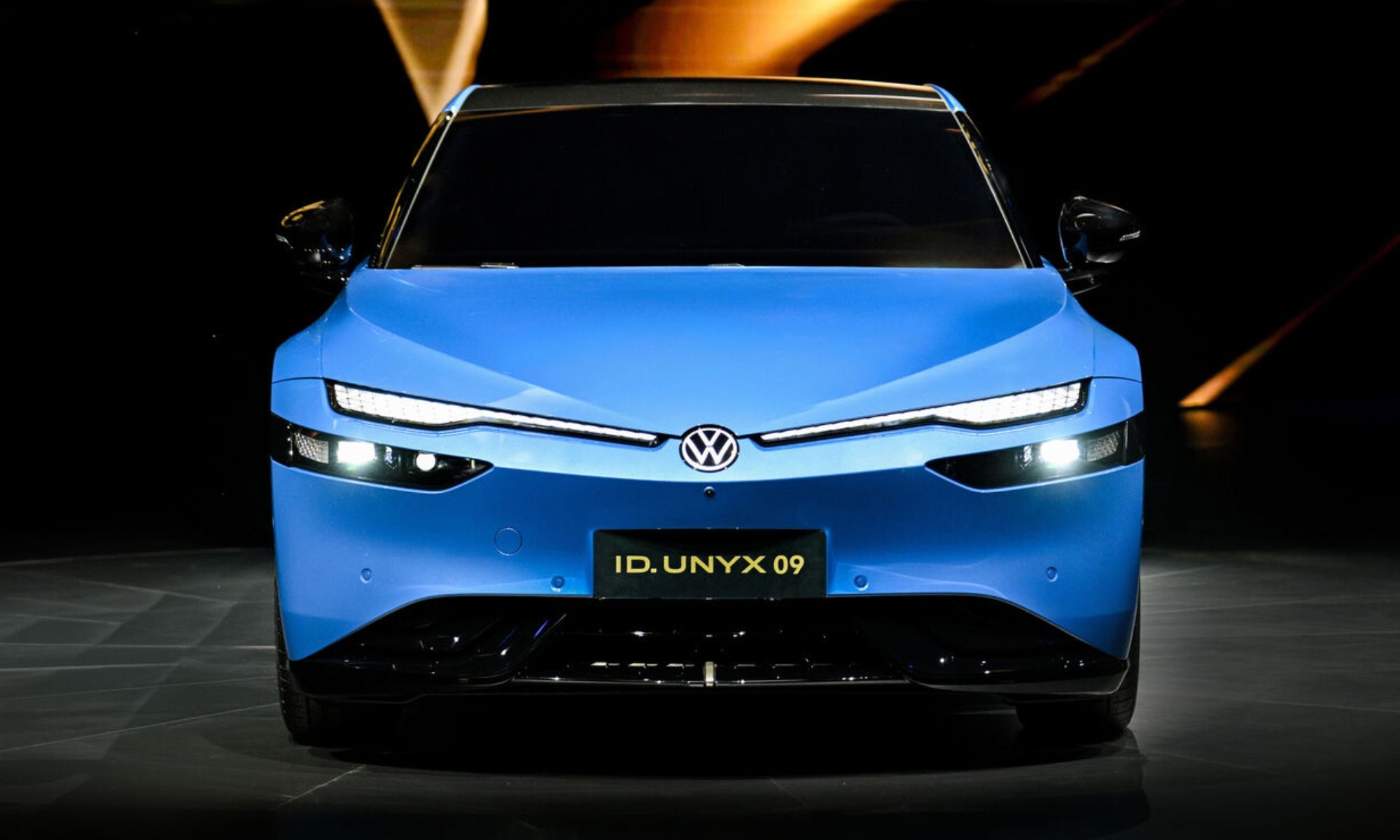
Volkswagen’s ID. Unyx 09 just leaked, and it’s the kind of EV I want to see in the US
VW's partnership with Xpeng is producing exactly what we hoped.
Bumper, Transportation, Vehicle

I've been watching Volkswagen's China lineup quietly get cooler for the past two years, but the ID. Unyx 09 might be the moment it finally gets exciting, not just for Chinese buyers, but for the rest of the world as well. 

Regulatory filings from China's Ministry of Industry and Information Technology, Batch 409, have exposed the full specs of the upcoming sedan ahead of its official launch later this year, and it looks nothing like any VW car I've seen before (via CarNewsChina).

Read more
China’s GWM is making a Beetle lookalike EV, and it somehow looks better
GWM upgrades Ora Ballet Cat with 150kW motor and 180km/h top speed
Ora Ballet Cat

The Volkswagen Beetle may be long gone, but one of its most obvious spiritual successors isn't ready to disappear just yet. Chinese automaker Great Wall Motor (GWM) is preparing to relaunch the Ora Ballet Cat, its retro-styled electric hatchback that famously drew comparisons with the iconic Beetle. This time, however, the company is hoping extra performance and a fresh identity will succeed where clever marketing couldn't.

According to a report by Car News China, the latest regulatory filings published in China reveal that the Ora Ballet Cat is receiving a more powerful electric motor, a higher top speed, and could even lose its feline-inspired name altogether. The update arrives as competition in China's EV market reaches new highs, forcing automakers to rethink products that once stood out for style alone.

Read more