  1. Home
  2. Computing
  3. News

A new supercomputer has dethroned the U.S — here’s why it matters

Add as a preferred source on Google
Crowd, Person, Architecture
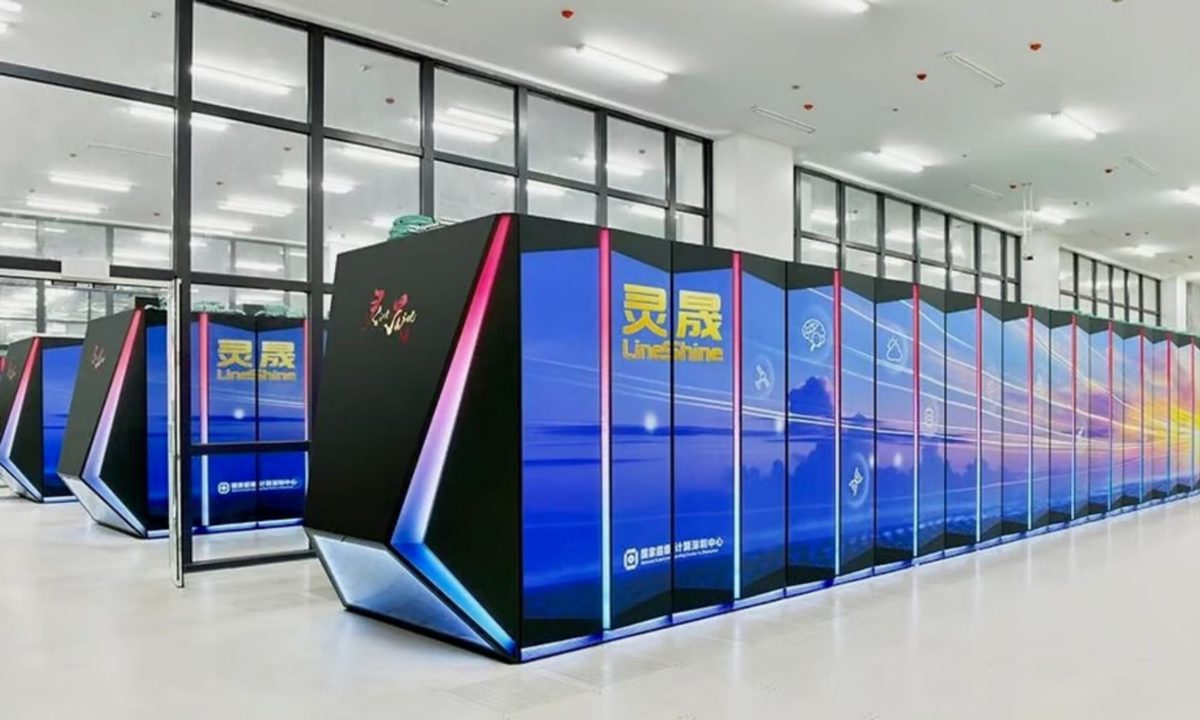
LineShine

The race to build the world’s fastest supercomputer has been dominated by the United States. Now, China has stormed back into the lead. A newly ranked system called LineShine has claimed the No. 1 position on the latest Top500 list, a closely watched ranking of the planet’s most powerful supercomputers. The machine, located in Shenzhen, pushed past the U.S. government’s El Capitan system and became the first Chinese computer to top the list since 2017. That’s notable on its own. But what makes LineShine particularly interesting is how it got there.

The tortoise just outran the rocket

Most of today’s computing breakthroughs, especially those tied to artificial intelligence, revolve around powerful graphics processors, or GPUs. They’re the chips fueling everything from ChatGPT to cutting-edge AI research. LineShine took a different route. Instead of leaning on thousands of specialized AI processors, the system relies entirely on traditional CPUs. Despite that seemingly old-school approach, it achieved more than 2.1 exaflops of performance — enough to perform over two quintillion calculations every second.

It’s a reminder that while AI hardware gets most of the headlines, there are still multiple paths to raw computing power. And make no mistake: this isn’t just about bragging rights. Supercomputers are used for everything from medical research and climate modeling to advanced scientific simulations and national security projects. Topping the list has long been viewed as a symbol of technological leadership.

The world’s fastest computers have a surprisingly slow problem

The timing is also fascinating. Governments around the world are pouring billions into next-generation computing infrastructure. Europe is investing heavily in giant AI-focused facilities designed to train future models and accelerate research across healthcare, robotics, biotechnology, and industry.
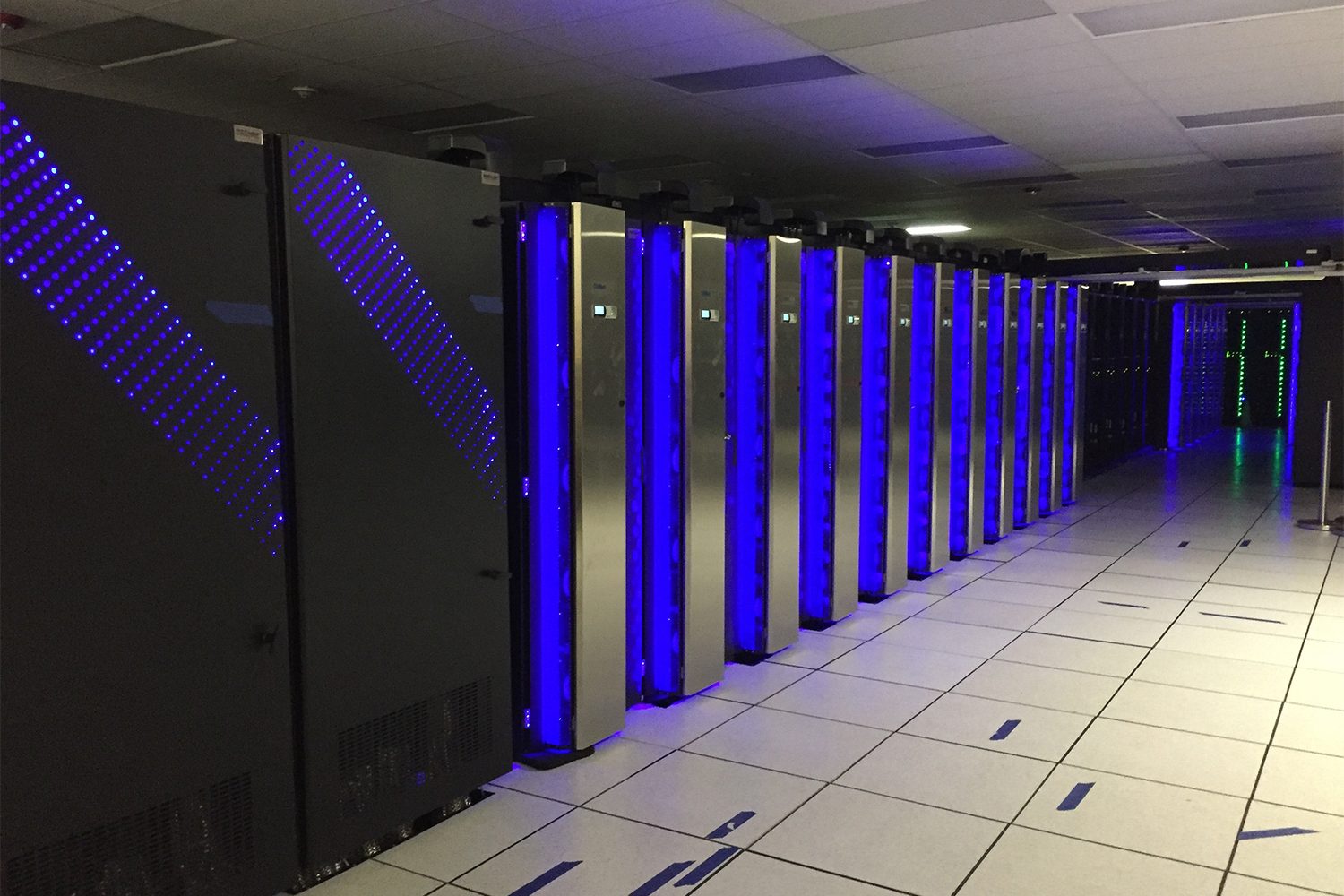
At the same time, concerns about energy use are growing louder. These massive systems consume enormous amounts of electricity, while some facilities also require significant water resources for cooling. So while LineShine’s arrival changes the standings, it also highlights a larger reality: the global computing race is accelerating. And increasingly, the battle isn’t just about who builds the fastest machine. It’s about who can build the future — and power it responsibly.


Shimul Sood
Shimul is a contributor at Digital Trends, with over five years of experience in the tech space.
Gemini in Chrome can now see exactly what you’re looking at on screen
Google's new "Select from screen" tool makes it easier to ask Gemini questions about text and images in a browser tab.
Google Chrome Gemini Featured

Google is making Gemini a lot more aware of what's happening inside Chrome. The company has started rolling out a new "Select from screen" feature that lets users highlight specific text or images from a webpage and send them directly to Gemini, making conversations with the AI assistant far more contextual.

Gemini can now focus on exactly what users want to ask about

Read more
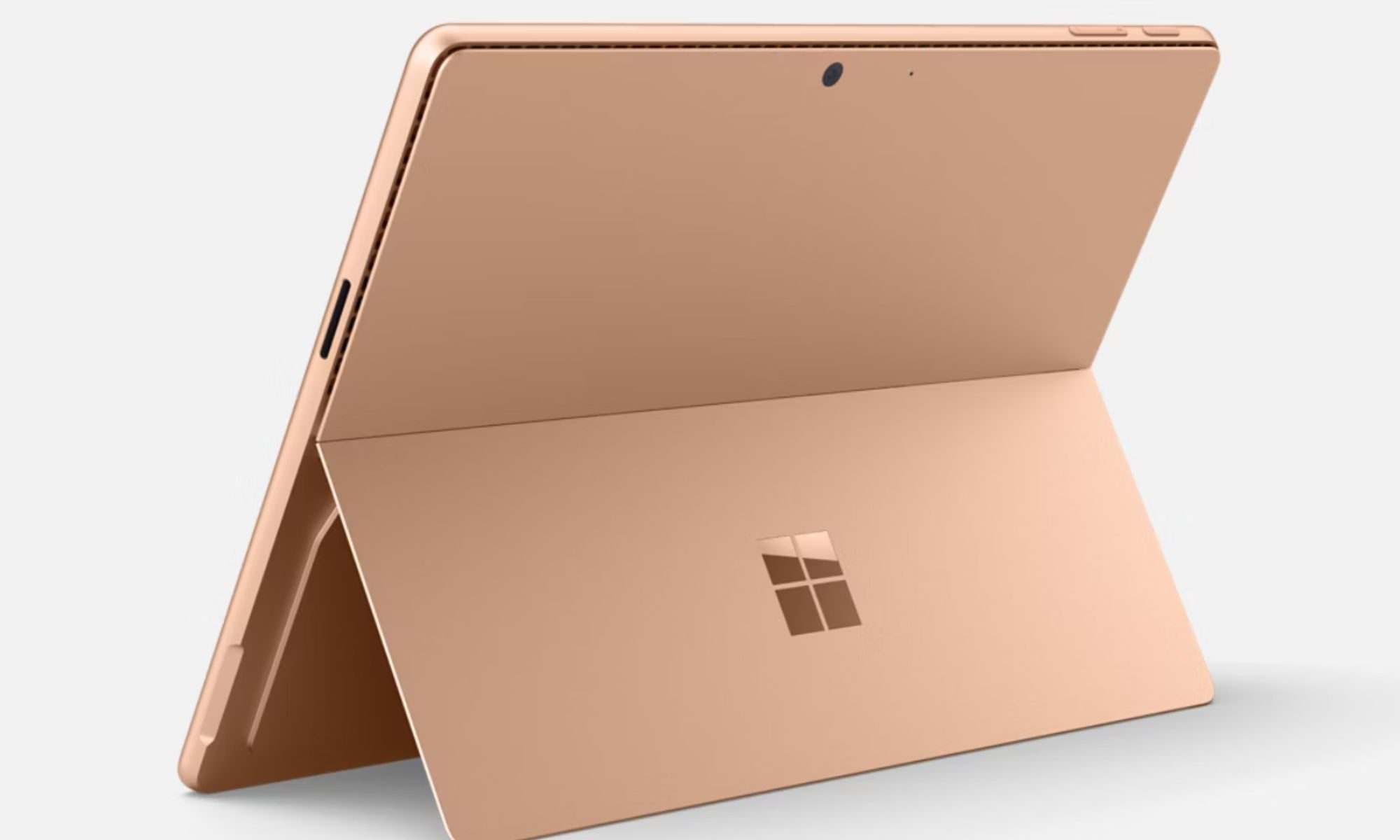
Microsoft’s new Surface PCs are cheaper — but there’s a catch
Cardboard, Box, Carton

The tech industry’s favorite balancing act is getting harder by the month. Component prices are rising, memory costs refuse to settle down, and laptop makers are scrambling to keep sticker shock under control. Microsoft’s latest Surface refresh feels like a direct response to that problem.

The company has introduced new entry-level versions of its 12-inch Surface Pro and 13-inch Surface laptop, offering lower starting prices without changing the processor or storage. On the surface, that sounds like good news for budget-conscious buyers. Dig a little deeper, however, and you’ll find a compromise hiding in plain sight.

Read more
I rounded up the best Prime Day 2026 laptop deals, and these five are the ones I’d buy
Memory costs are up, laptop prices are following, and Prime Day 2026 might be your best window before both climb further.
Prime Day Deals on Apple Products

If you’ve been keeping up with recent laptop launches, you’ve probably noticed just how expensive they’ve become. Laptop prices have been climbing for the past year, and there’s little indication that they’re coming down anytime soon. That makes the ongoing Prime Day 2026 sale an exceptionally good time to buy a new laptop.

Many of the discounts apply to devices at or near their original launch prices, making the savings more meaningful. I’ve sifted through several Amazon Prime Day laptop deals, but only these five hold up at their discounted prices. To make things easier for you, I’ve arranged them from the most affordable option to the most expensive.

Read more