1. Home
  2. Computing
  3. News

AI isn’t taking their jobs … it’s giving them more work

It's an unexpected turn of events, but how long will it last?

Add as a preferred source on Google
iPad drag and drop.
Nadeem Sarwar/Digital Trends

What’s happened? Far from taking their jobs, some people working in the creative sector have found that AI is actually bringing them more work — for now, at least. Graphic designer Lisa Carstens, for example, has new clients asking her to fix their shoddy efforts at using generative AI tools such as ChatGPT to create company materials like logos or flyers, NBC News reported.

Why is this important?

  • Generative AI tools can create texts, images, videos, and audio from text prompts, but the output can still be far from perfect.
  • This has opened up a space for creatives like Carstens to step in and finish jobs that were botched by AI.
  • Another freelancer told NBC News that half of her jobs now come from clients asking her to clean up or rewrite their AI-generated articles. But she added that some of her fellow freelancers won’t go near such work out of principle. 
Recommended Videos

Why should I care? If you’re a creative worried about AI taking your job, there may be opportunities to get more work off the back of AI’s imperfections and outright failures. But with AI tools improving all the time, it’s not clear for how much longer such work will be available. 

If you’re someone creating materials for your next project, whether business-related or personal, it’s understandable that you might turn to AI if the budget is tight. But if you do have a choice, you’ll want to consider whether it’s better to employ the services of a living, breathing creator (with bills to pay) who has a deeper understanding of nuance and context, and can ultimately bring the human touch. Or to go with AI, which still lacks in such areas. 

Trevor Mogg
Contributing Editor
Not so many moons ago, Trevor moved from one tea-loving island nation that drives on the left (Britain) to another (Japan)…
How to set up selfie video sign-in for your Google account
Your face can now serve as a way to get back into your Google account. Here's how to set it up.
Google account selfie sign in tutorial featured

Losing access to a Google account is rarely a quick fix, but Google has been actively working to make things easier. Last year, the company introduced a feature called Recovery Contacts that lets you designate a trusted friend or family member to verify your identity if you ever get locked out. Now, Google has introduced a new option, one that uses your face to get you back in instead of a phone call to a friend.

Like Recovery Contacts, the new selfie video authentication feature requires some setup before you can use your face to sign into your Google account. This involves recording the reference video that Google will use to verify your identity whenever you attempt to log in this way. Here's how to set up selfie video sign-in for your Google account.

Read more
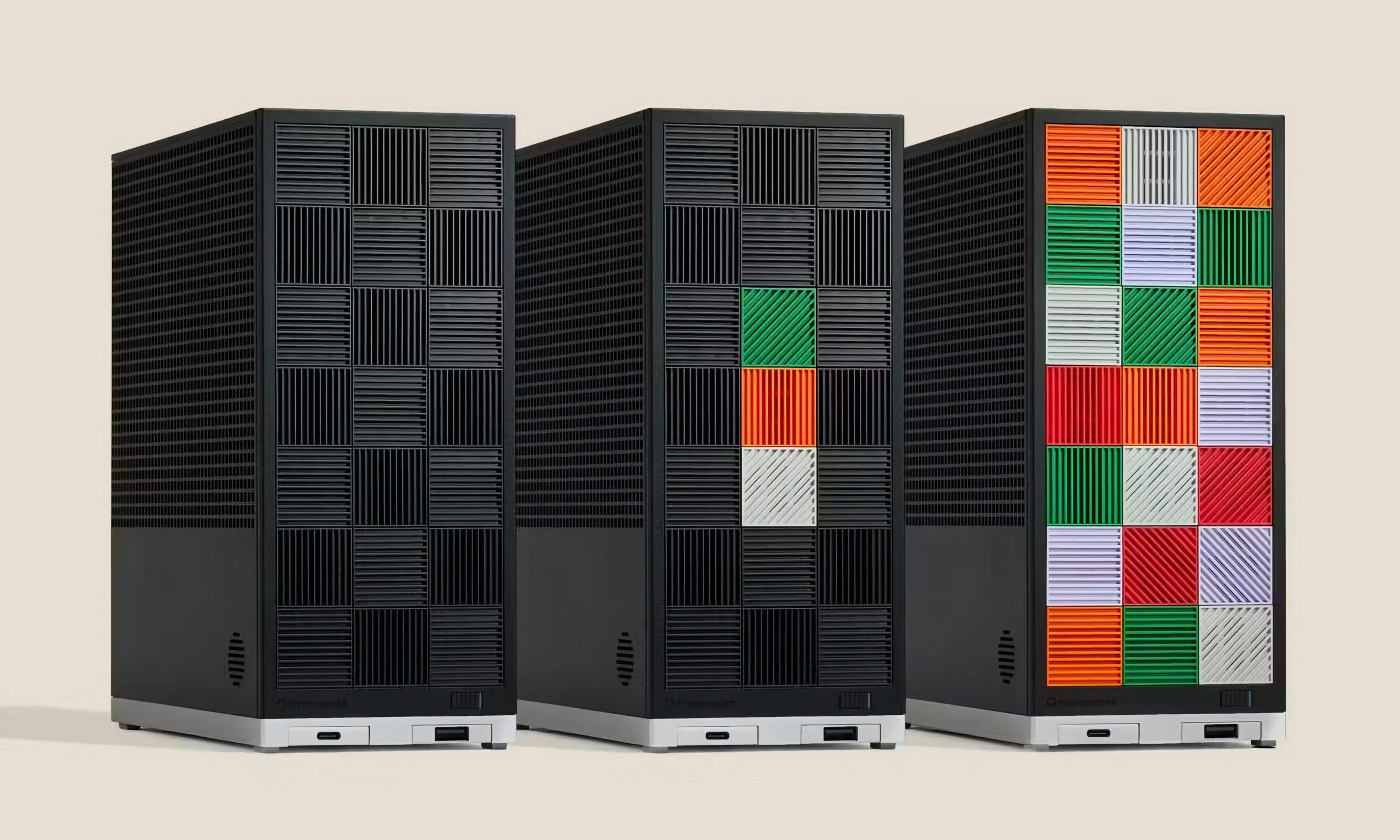
Framework Desktop packs Ryzen AI Max, up to 192GB of RAM, and local AI into a mini PC
192GB of RAM in a desktop this small? Framework says yes.
Framework Desktop feature

Framework has built a reputation for shipping things other PC makers won't even attempt, and its latest teaser keeps that streak alive. At AMD's Advancing AI event, the company previewed a new version of its Framework Desktop, and this one is clearly built with one goal in mind: running large AI models locally on your computer. If you have been eyeing a way to run local AI, this could be the machine to watch.

So what's actually new here?

Read more
AI is becoming the shoulder we cry on, and that worries me
Chatbots are learning to generate comfort now
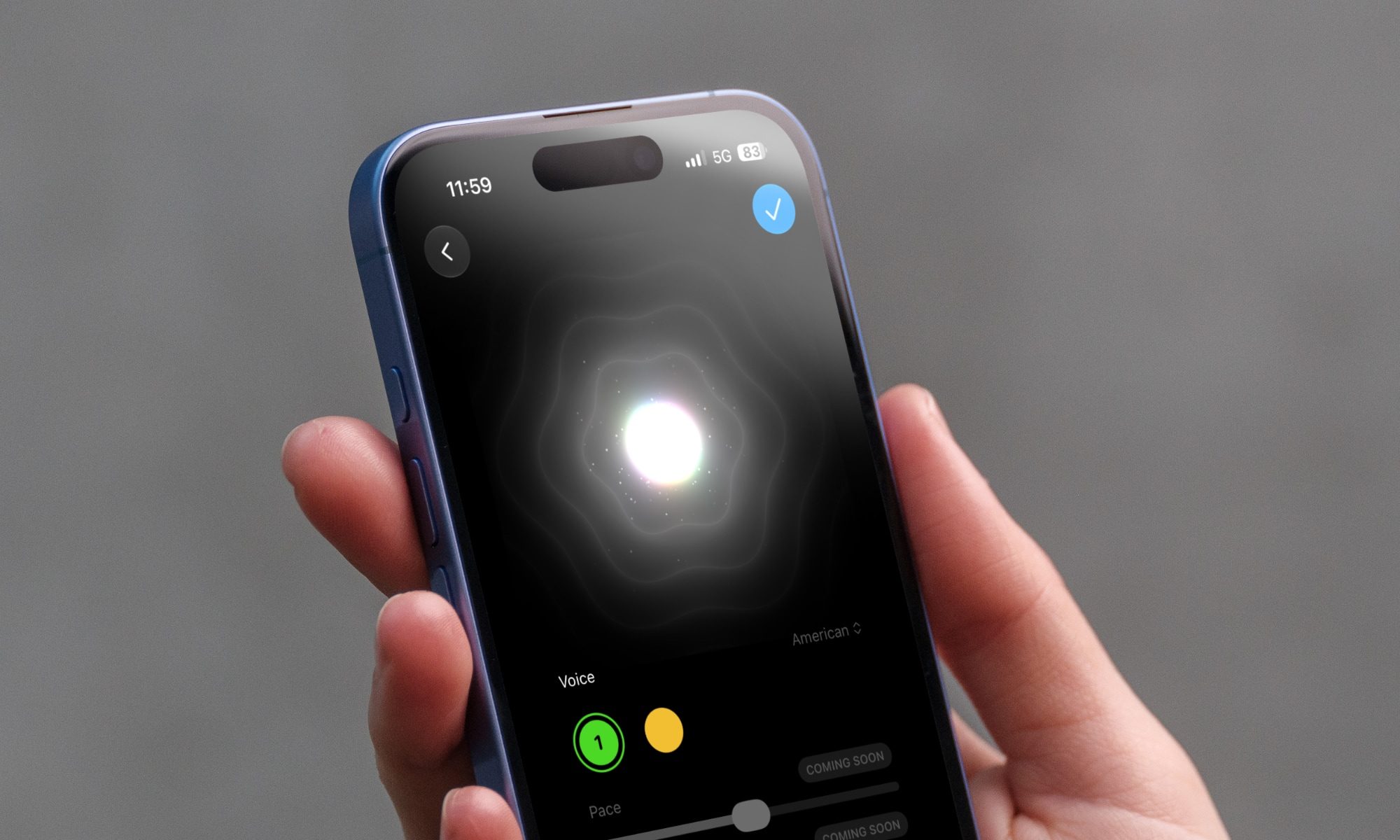
Siri AI voice change

I expected artificial intelligence to be faster in performing calculations or data analysis than humans. But emotional support is one of the last things I could imagine it being better at. New research led by the University of Manchester, alongside Durham University, found that leading AI chatbots could match or sometimes outperform humans when responding to everyday emotional problems. The researchers conducted five studies involving 1,233 participants and tested responses from ChatGPT-4o, Claude 3.5 Sonnet, and Gemini 1.5 Pro.

The researchers conducted five studies involving 1,233 participants and tested responses from ChatGPT-4o, Claude 3.5 Sonnet, and Gemini 1.5 Pro. Participants evaluated messages responding to situations such as being passed over for a promotion or returning to an untidy shared home. They were initially kept unaware of whether each response came from a person or an AI system.

Read more