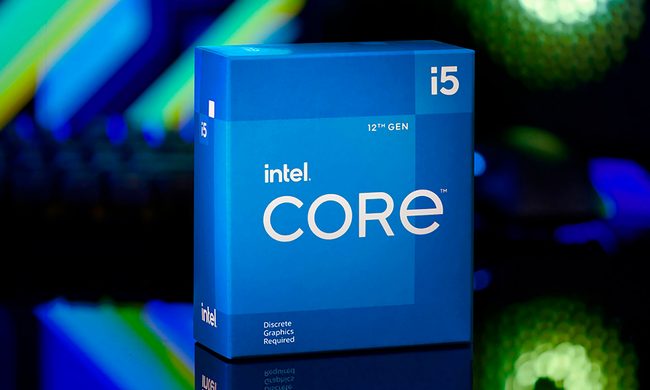
I’m not going to even pretend the Ryzen 7 9800X3D is a bad CPU. It’s one of the best processors you can buy, and undoubtedly the best processor you can buy for gaming. There are just a couple of problems. It’s pretty expensive at nearly $500 for an eight-core CPU. Also, at the time of writing, it’s sold out everywhere — and signs don’t point to it being back in stock any time soon.
You don’t need to wait. The Ryzen 7 9800X3D, for as impressive as it is, isn’t the right processor for everyone. In fact, I’m using an entirely different processor in my personal high-end gaming PC, and for a lot of gamers, the extra price you pay for the AMD’s 3D V-Cache could go to waste. Here are four CPUs that you can not only pick up now, but they also provide solid competition for the Ryzen 7 9800X3D, be it on price, performance, or both.
Ryzen 7 7800X3D
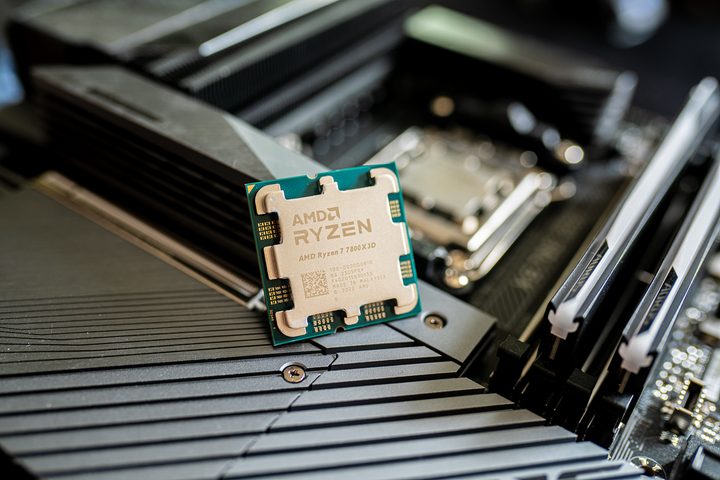
The obvious alternative to the Ryzen 7 9800X3D is last-gen’s Ryzen 7 7800X3D. You can pick it up for around $450 brand new, and for anywhere from $300 to $350 on the secondhand market. The Ryzen 7 9800X3D is faster, there’s no doubt about that. However, it’s mainly faster in productivity applications, and in a lot of games, the Ryzen 7 7800X3D and Ryzen 7 9800X3D are very close.
I’ll point you in the direction of my head-to-head matchup between the Ryzen 7 7800X3D and Ryzen 7 9800X3D for the full details, but in short, the last-gen chip is only around 5% behind in most games. There are plenty of games where there’s no difference at all. If you look at graphically intensive titles like Black Myth: Wukong or Returnal, the two CPUs post basically identical results. That’s at 1080p, too — if you push up to higher resolutions, the differences disappear even further.
That’s not surprising, either. The Zen 5 architecture isn’t significantly faster than Zen 4, and both of these chips are otherwise packing identical specs: eight cores, 16 threads, and 104MB of total cache. The Ryzen 7 7800X3D certainly falls behind in productivity applications, but if your main focus is gaming, it delivers performance that’s just shy of the Ryzen 7 9800X3D, and for a lot less money.
There are some downsides to choosing the last-gen chip, however. Although it’s extremely efficient — it usually doesn’t draw more than 70 watts in games — it gets fairly hot. In addition, it’s not unlocked for overclocking. You can boost the Ryzen 7 7800X3D with AMD’s Precision Boost Overdrive (PBO), but you can’t dig into the BIOS and tweak the CPU with manual overclocking. If gaming is your primary concern, however, that shouldn’t be an issue.
Buy at Best Buy U.S.Core i9-14900K

Intel’s Core i9-14900K has faced a lot of criticism, and rightfully so. It was at the center of a months-long controversy due to Intel’s instability issues, which were mostly ignored by the company during the beginning of the year. After many months, Intel has addressed the problem, and it doesn’t look like it’s coming back. Although it’s fair to doubt the Core i9-14900K given Intel’s track record this year, the CPU looks safe to buy now. Intel has extended the warranty to five years for the processor, so you’re covered in the event of any issues.
This is one heck of a processor. It’s a 24-core monster that can boost up to 6GHz, and that’s even before any overclocking. When it comes to productivity applications, the Core i9-14900K eats the Ryzen 7 9800X3D’s lunch and somehow still manages to have an appetite.
Gaming is a slightly different story. The Core i9-14900K isn’t as fast as the Ryzen 7 9800X3D or its last-gen counterpart, but it’s the closest competitor I’ve seen. It takes a back seat in games that favor extra cache, such as Final Fantasy XIV and F1 2022, but it’s very close to AMD when it comes to graphically demanding titles like Red Dead Redemption 2 and Assassin’s Creed Mirage. Those gaps are easier to accept considering the Core i9-14900K comes in at $430.
The one major caveat with the Core i9-14900K is power draw, and in turn, heat. Even at stock settings, it can sustain 250 watts of power draw. If you plan on picking up the Core i9-14900K, you’ll want an all-in-one (AIO) liquid cooler, or at the very least, one of the beefier air coolers you can buy.
Ryzen 7 9700X
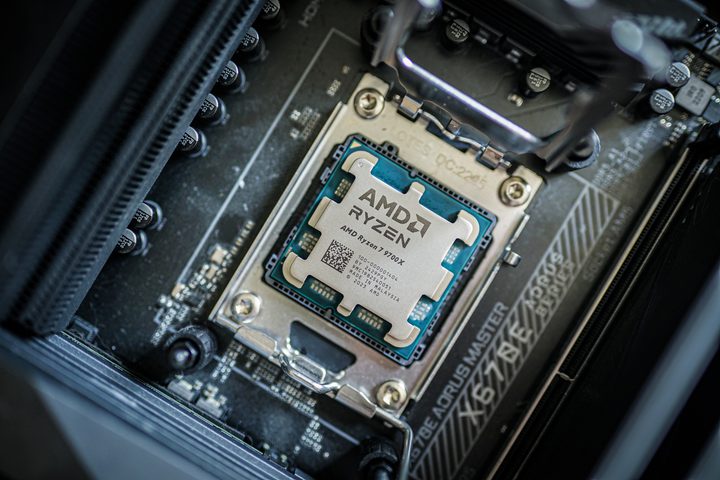
I use a Ryzen 7 9700X in my personal gaming PC, and I love it. Despite clocking in at just $320 — a full $160 less than the Ryzen 7 9800X3D — it’s almost identical to AMD’s 3D V-Cache CPU. You’re getting eight Zen 5 cores, 16 threads, and an unlocked processor that can handle overclocking. AMD also recently added a 105-watt mode to the Ryzen 7 9700X, which puts it neck and neck with the Ryzen 7 9800X3D in productivity applications.
The CPUs are very similar when running above 100 watts, but the Ryzen 7 9700X also benefits from its default 65-watt power mode. The CPU offers excellent gaming performance in this mode — it doesn’t benefit at all from higher power draw in games — making it an ideal candidate if you have a weaker cooler or a small form factor build where you want to dedicate as much space as possible to your graphics card. I fall in the latter camp.
The Ryzen 7 9700X is certainly slower than the Ryzen 7 9800X3D in games, but it performs around the level of the Core i9-14900K overall. This CPU is living proof that most games don’t need much more than eight fast cores, even if you’re pushing the latest titles like Black Myth: Wukong. And once again, the benefits of AMD’s 3D V-Cache start to disappear as you push up the resolution and graphics settings. Up at 4K, where I play my games, the Ryzen 7 9700X is just about 3% behind the Ryzen 7 9800X3D.
I generally like to include some caveat or major downside, but the Ryzen 7 9700X is fairly resilient to most major criticisms. Given how much cheaper it is than the Ryzen 7 9800X3D, and how close it can get in performance at higher resolutions, the Ryzen 7 9700X is a slam dunk.
Core i7-14700K
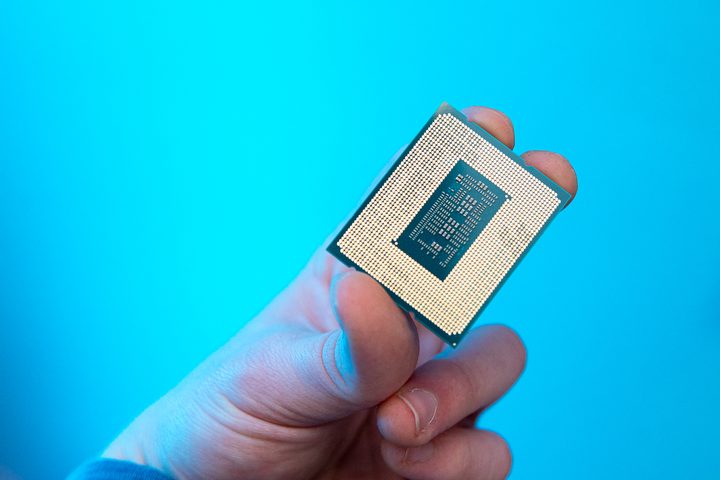
The Core i7-14700K is a sleeper hit. The Core i7 range is usually popular, but this 20-core beast has faded from the limelight amid the controversy surrounding the Core i9-14900K, and it deserves a fair shake. That’s because, despite the massive core array and the productivity performance it brings, the Core i7-14700K is selling for just $350 right now. That’s an insane deal considering how powerful this CPU is.
Although the Core i9-14900K is faster in productivity applications, the Core i7-14700K is no slouch. It demolishes the Ryzen 7 9800X3D, particularly in heavily threaded workloads like rendering and video transcoding. Like its more expensive sibling, the Core i7-14700K has access to up to 250W out of the box, as well as clock speeds up to 5.6GHz. If that’s not enough, you can always overclock the processor.
On the gaming front, the Core i7-14700K is basically no different than the Core i9-14900K. They post nearly identical results across games. Compared to the Ryzen 7 9800X3D, the Core i7-14700K is around 10% slower down at 1080p. However, that gap shrinks to just 5% at 1440p, and it completely disappears at 4K. Depending on what games you play, and at what resolution, the Core i7-14700K is just as fast as the Ryzen 7 9800X3D.