Google’s Gemini models are becoming remarkably good at understanding videos, images, and conversations. A new study shows AI can even identify subtle behaviors in parent-child interactions with impressive accuracy. But here’s the catch: while Gemini can reliably observe what is happening, researchers say it should not be trusted to decide what those behaviors actually mean.
Worth noting is that the study used Gemini 2.5 Pro, which is not Google’s most advanced AI. That means future models could improve the results even further. Even so, the researchers argue that human experts remain essential.
How Gemini performed surprisingly well at observing children
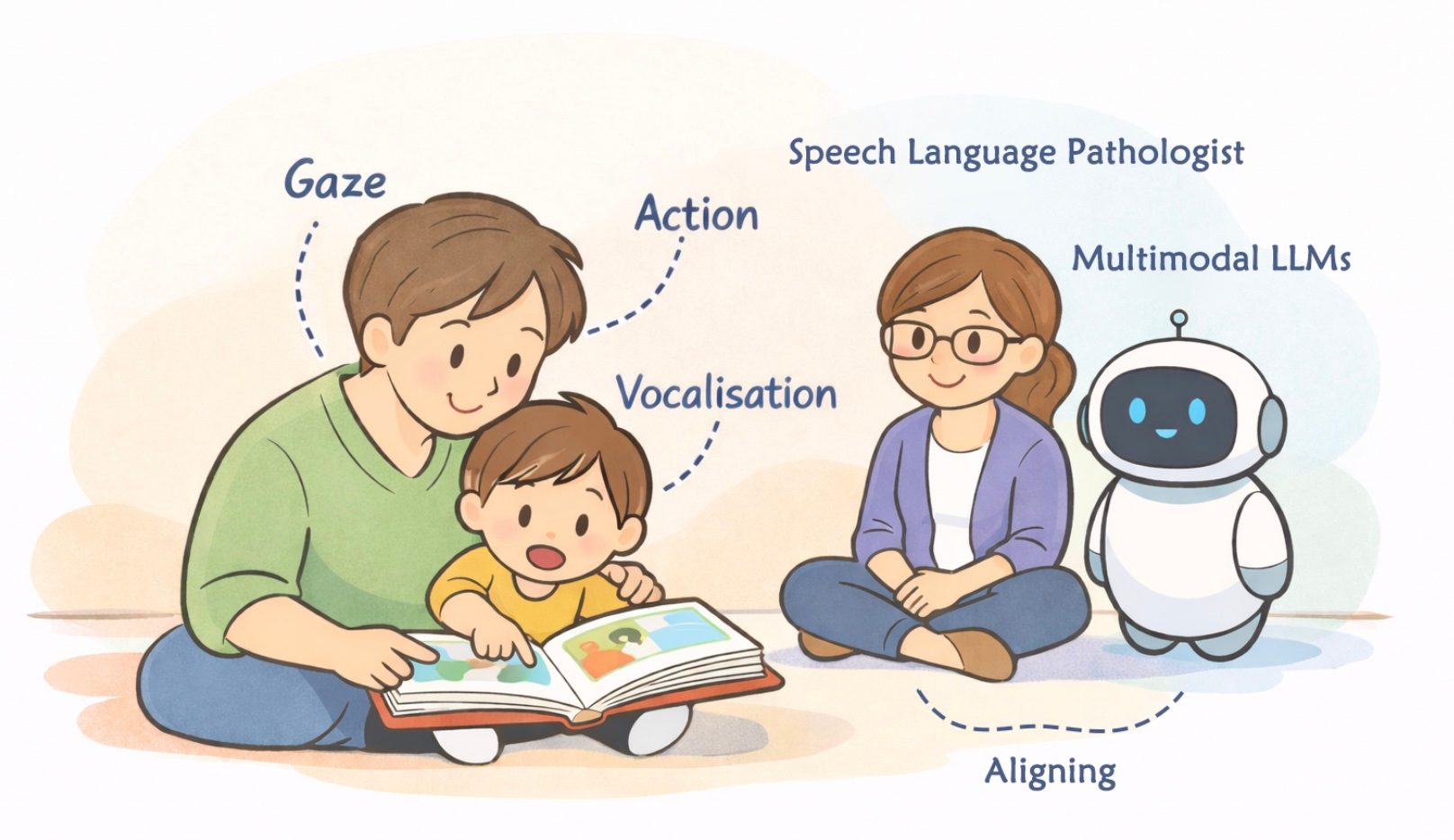
Researchers at the Singapore University of Technology and Design worked with three experienced speech-language pathologists to evaluate parent-child interactions, focusing on a developmental milestone called joint attention. This refers to moments when a child and another person intentionally share attention on the same object or activity.
Using Gemini 2.5 Pro, the team built a workflow that asked the AI to analyze three behavioral cues: where a child was looking, what actions they performed, and what they said. The model correctly identified those observable behaviors with about 81% accuracy, closely matching how expert clinicians described the same moments. The researchers also noted that Gemini handled structured observation well, creating detailed records that could help clinicians review long videos more efficiently.
Why does understanding children still require human judgment?
The real challenge began when the AI had to interpret what those behaviors meant. Although the model could describe gaze, actions, and vocalizations, its performance dropped significantly when asked to judge the quality of a child’s communication.
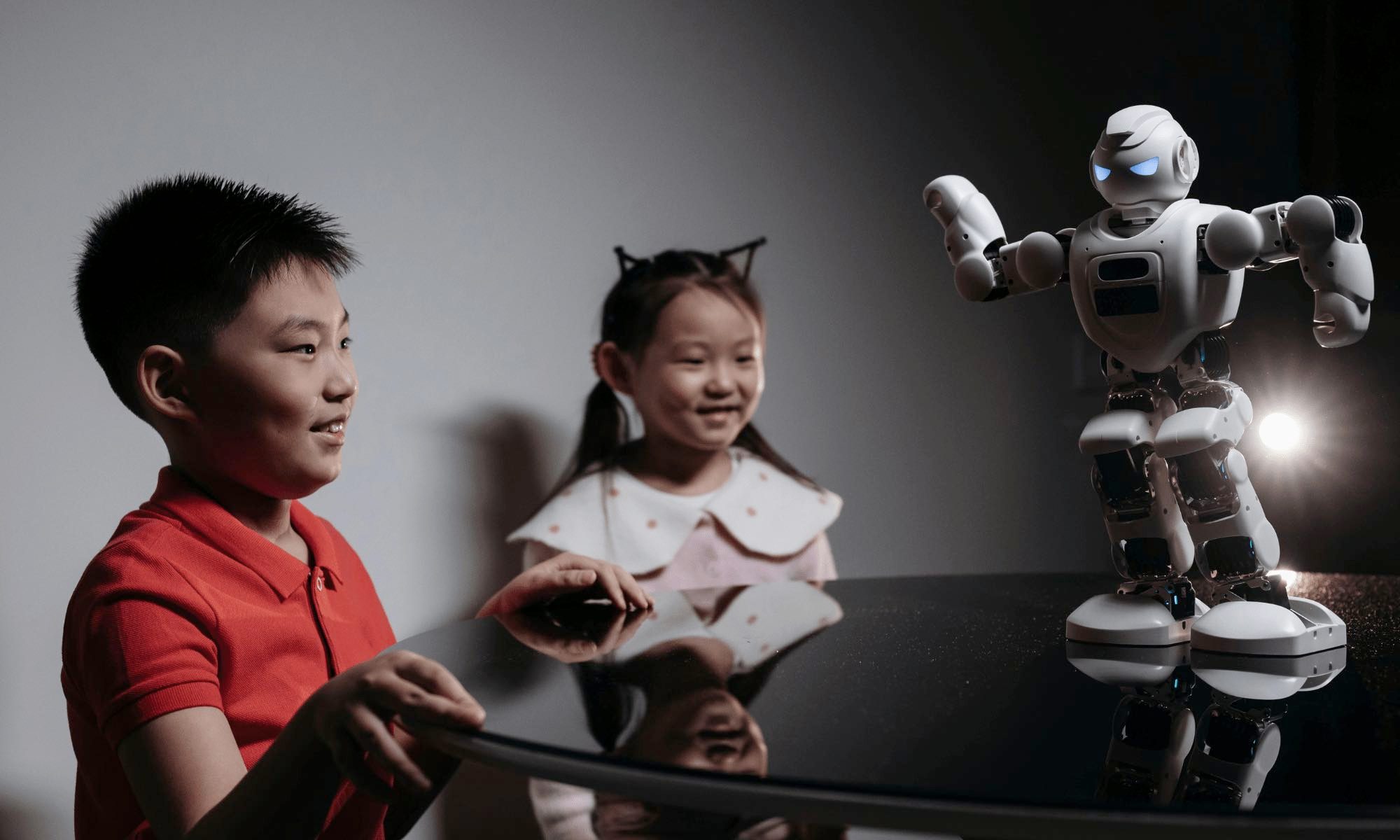
The surprising part was that even the experts disagreed with each other. One expert prioritized eye contact, another focused on emotional engagement, while a third emphasized communicative intent. That meant there was rarely a single correct answer for the AI to learn from.
This is why the researchers believe AI should support clinicians rather than replace them. It could generate timelines, organize behavioral cues, and reduce paperwork, while trained professionals make the final assessment.
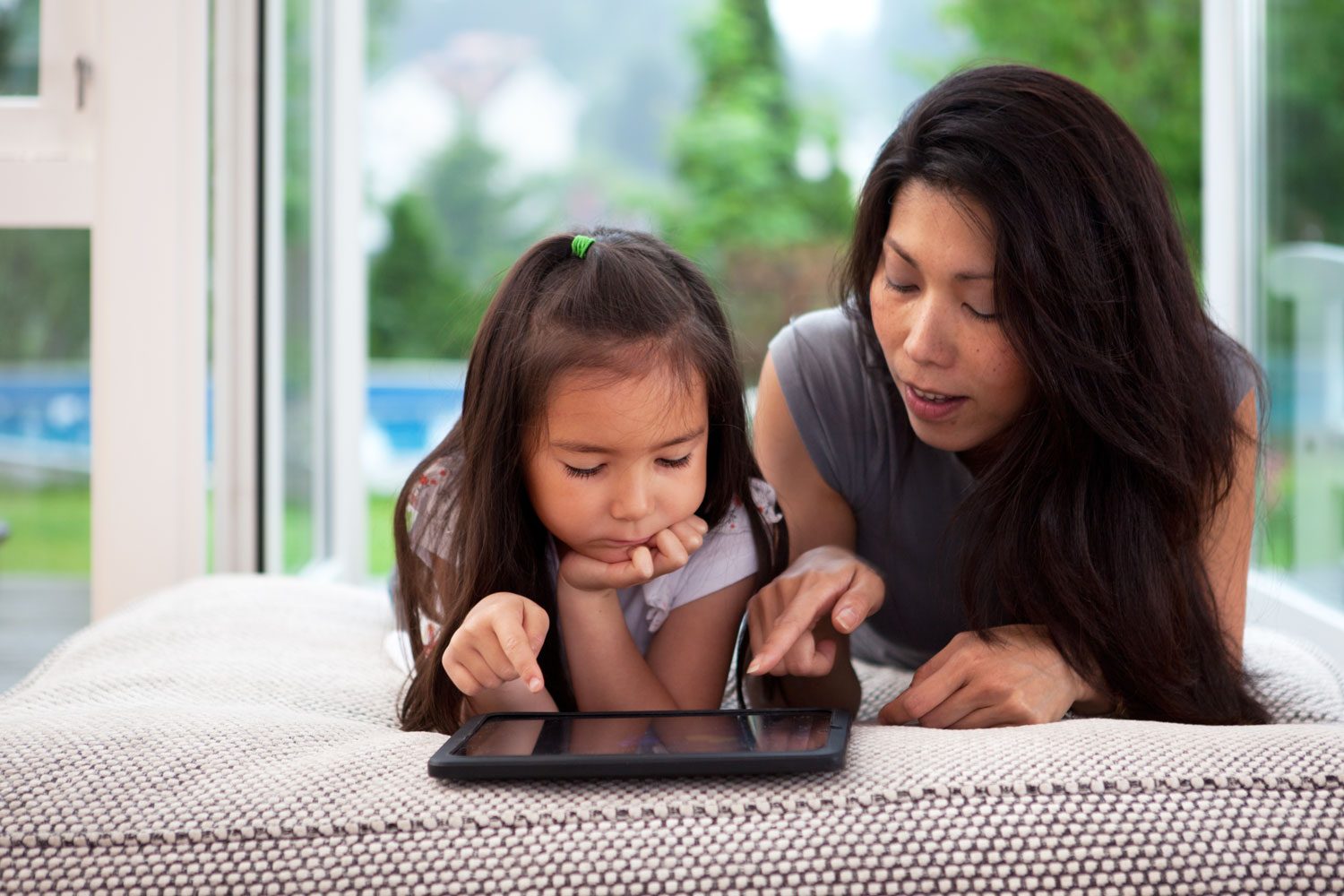
The team also cautioned that any future tools designed directly for parents would require much more testing before being deployed. Future research will expand the work to real-world home and school settings and include autistic children, but for now, understanding a child’s development still requires human judgment as much as artificial intelligence.