  1. Home
  2. Computing
  3. Emerging Tech
  4. News

Samsung’s humanoid robot ambitions are real, but factories come first

Samsung’s new robotics division has humanoids in its sights, although its immediate business is far more practical factory automation

Add as a preferred source on Google
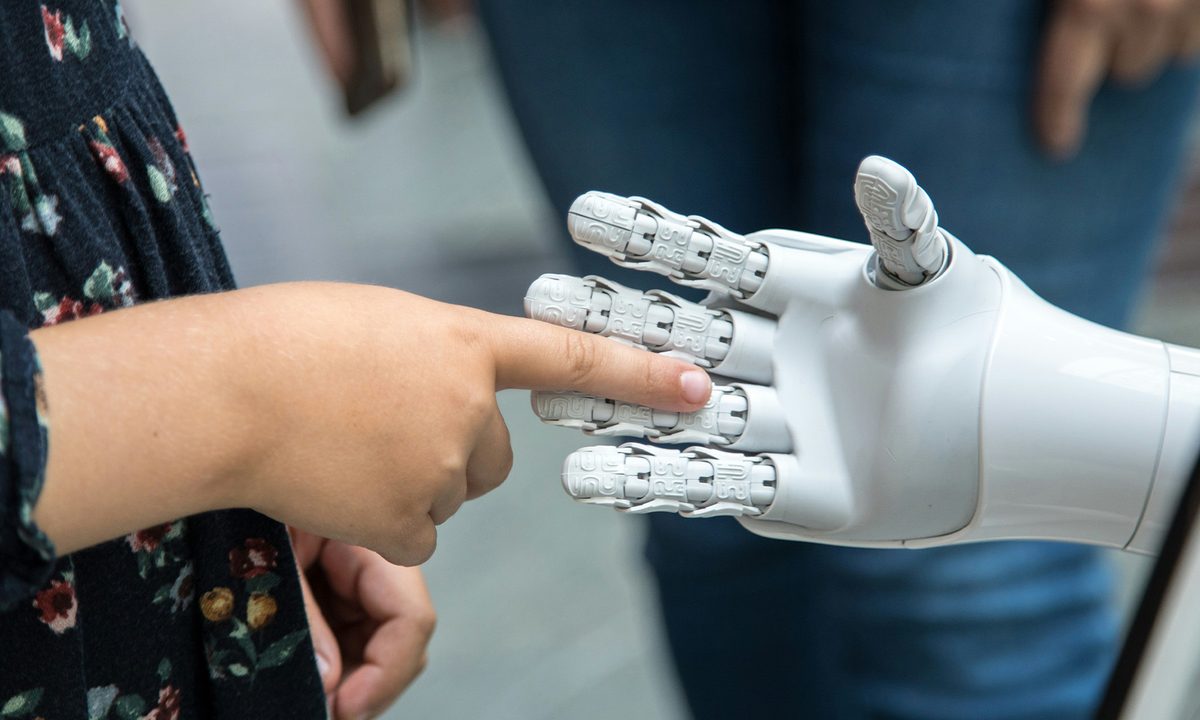
Robot Touch Human Finger
Katja Ano / Unsplash

Samsung wants a place in the humanoid race, but its new robotics push begins with machines built for factories rather than homes.

The CEO-led RX robotics division will initially focus on manufacturing robots. Samsung has separately identified humanoids as a priority, although it hasn’t announced a commercial model or explained where one fits into the division’s immediate plans.

Recommended Videos

Its ambitions clearly extend beyond conventional robot arms. The machines Samsung can deploy first, however, may look considerably less human.

Why are factories coming first

The division fits Samsung’s plan to transform its manufacturing operations into AI-driven factories by 2030. Its roadmap includes humanoids alongside assembly and logistics systems.
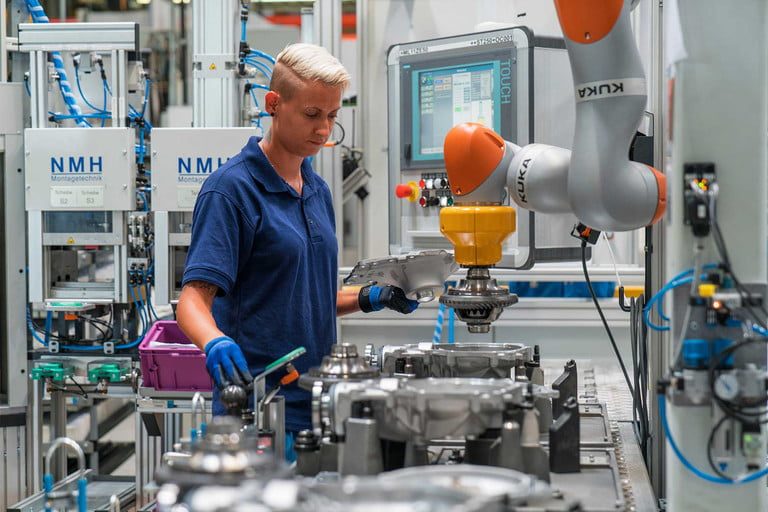
Factories are an obvious starting market. The work is structured, the surroundings can be controlled, and Samsung already operates production facilities around the world.

That doesn’t establish the factories as training grounds for future household humanoids. It gives Samsung somewhere practical to build an industrial robotics business while the grander promises remain unfinished.

What could Samsung build first

Samsung took control of Rainbow Robotics to accelerate its work on advanced robots, including humanoids. Rainbow was founded by researchers behind South Korea’s first bipedal humanoid.

Its RB-Y1 offers a more realistic picture of what could arrive first. The robot has two arms and a human-like working range, but it moves on wheels. It has reportedly undergone testing inside a Coupang warehouse, although Samsung hasn’t identified it as part of the RX division’s roadmap.

Walking robots make impressive demonstrations. Wheels make more sense when the machine has a shift to finish.

When could robots reach homes

Samsung’s ambitions could eventually extend into stores and homes, but it hasn’t announced a consumer humanoid or provided a launch window.

Its history with Ballie gives us reason to stay skeptical. The rolling home robot missed its planned release before Samsung repositioned it as an internal innovation platform.

Industrial robots are Samsung’s business today. Humanoids remain the larger ambition, while a Samsung machine folding your laundry is still firmly in the PowerPoint phase.


Paulo Vargas
Paulo Vargas is an English major turned reporter turned technical writer, with a career that has always circled back to…
Gemini Notebook’s new Collections arrive just as Google turns it into a bigger workspace
Google is cleaning up notebook organization as the former NotebookLM expands across Gemini and Search
Gemini Notebook branding on a MacBook

Google has barely finished renaming NotebookLM, and it’s already addressing one of the headaches that comes with building a large research library.

Collections are rolling out to all Gemini Notebook users, giving them a way to group related notebooks while keeping everything visible under My Notebooks. The dashboard gets some structure without asking users to rearrange the library they’ve already built.

Read more
WhatsApp’s Liquid Glass redesign is finally coming to Mac after months of waiting
WhatsApp's Mac app is getting Apple's Liquid Glass-inspired makeover
WhatsApp

WhatsApp has been steadily adopting Apple's new design language across its apps, but Mac users have largely been left watching from the sidelines. That is finally beginning to change.

The messaging platform has started rolling out its Liquid Glass redesign for the WhatsApp Mac app, bringing the desktop experience much closer to what iPhone and iPad users have been seeing over the past few months. The update introduces a refreshed interface with redesigned navigation elements, updated menus, and a cleaner layout that aligns with Apple's latest software aesthetic. According to WABetaInfo, the rollout has begun through the latest Mac App Store update and is currently reaching a limited number of users.

Read more
NVIDIA’s new AI can detect deepfake videos in just 22 milliseconds
NVIDIA has a new AI tool that can tell fake videos from real ones in milliseconds
Nvidia logo

As generative AI becomes increasingly capable of producing videos that are nearly indistinguishable from real footage, the race is no longer just about creating synthetic media. It's about detecting it before it spreads.

At SIGGRAPH 2026, NVIDIA unveiled Synthetic Video Detector, a new AI-powered verification tool designed to identify AI-generated videos with remarkable speed and accuracy. Rather than replacing traditional fact-checking or forensic analysis, the company says the technology is intended to give newsrooms, broadcasters and enterprises another layer of confidence before synthetic videos enter the public domain.

Read more