  1. Home
  2. Computing
  3. Business
  4. News

It’s still short of a billion, but Windows 10 adoption hits a big milestone

Add as a preferred source on Google
Image used with permission by copyright holder

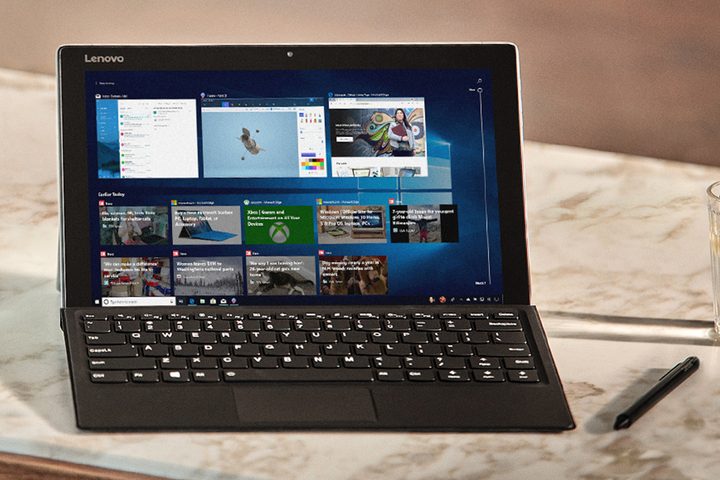
Microsoft once stated that it hoped Windows 10 would reach a billion devices within a few years of release. While we aren’t quite at that stage yet, the numbers are steadily growing and at its latest Build conference, Microsoft revealed that more than 700 million Windows 10 devices were now in operation around the world.

The adoption of Windows 10 has been a little different than previous generations of Windows. Microsoft made waves with its latest operating system by offering free upgrades for Windows 7 and 8.1 users as it transitioned to more of a software as a service model for its flagship operating system. That appears to have paid off with faster adoption rates than its predecessors.

Recommended Videos

Although Windows 10 install numbers are behind where Microsoft may have once hoped it would be nearly three years after its debut, they are better than both Windows 7 and 8. Windows 7 had sold 630 million copies three years on from its release, while Windows 8 was on pace to report just two-thirds of that — though Microsoft stopped reporting after only 200 million devices were recorded after 15 months.

Most impressively, Windows 10 growth actually appears to be accelerating. After achieving 350 million installs after a year, it reached 500 million in 2017. Now at more than 700 million, it could well hit a billion installs before 2020.

As WindowsCentral points out, the only caveat to these numbers is that Microsoft does count a lot of different hardware types as Windows 10 devices — we aren’t just talking desktops. You have to factor in laptops, Surface 2-in-1s, Xbox One consoles, Hololens, and Windows 10 mobile devices.

That said, unifying the Windows platform has been a major goal of Microsoft in recent years. Alongside making its operating system more modular and able to evolve with users — rather than the periodic releases of yesteryear — it’s looking to build unique Windows systems for different devices that are all based on its Windows Core OS experience. That’s not something we’re expecting to be realized for a few years, but if you’ve been keeping an eye on things like Windows 10 S, you know Microsoft has some intriguing tricks up its sleeves.

For those of you wanting the full Windows experience with no restrictions, here is what you can enjoy in the latest big update.

Jon Martindale
Jon Martindale covers how to guides, best-of lists, and explainers to help everyone understand the hottest new hardware and…
Wispr Flow launches an AI note-taker that works without joining calls
The new Wispr Flow tool called Notetaker creates live transcripts, summaries, and follow-up notes
Page, Text

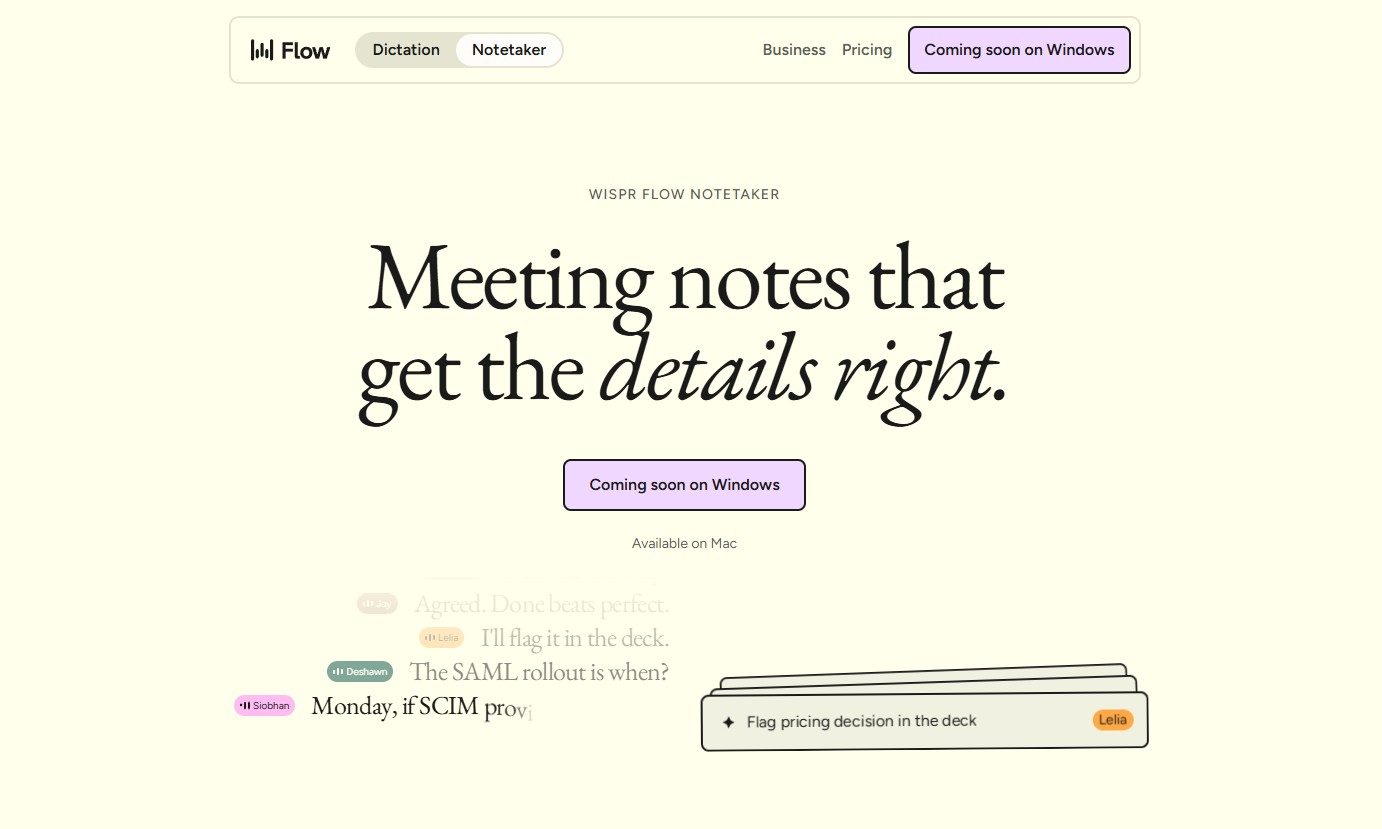
Wispr Flow has launched Notetaker, an AI meeting assistant built into its existing Mac app. It can record conversations, show a live transcript, and prepare notes covering decisions, deadlines, assigned work, and unresolved issues.

Wispr Flow is best known for its dictation tool, which turns spoken thoughts into edited text wherever the user is working. Notetaker takes the company beyond voice typing and applies its transcription technology to meetings, interviews, and in-person conversations.

Read more
Google Assistant finally has a shutdown date, and it’s only weeks away
Google Assistant starts shutting down September 4 as Gemini takes over.
google assistant mobile.

Google Assistant’s long goodbye now has a firm date. Google says it will begin discontinuing the voice assistant on eligible mobile devices on September 4, 2026, according to an email sent to users and shared publicly on Reddit.

The transition may take several weeks, so Assistant won’t vanish from every device at once. Once the change reaches an eligible Android device, Gemini will replace Assistant with no option to switch back.

Read more
ChatGPT Atlas is shutting down and it has some homework left before you migrate
OpenAI is pulling the plug on Atlas, so start packing your bookmarks
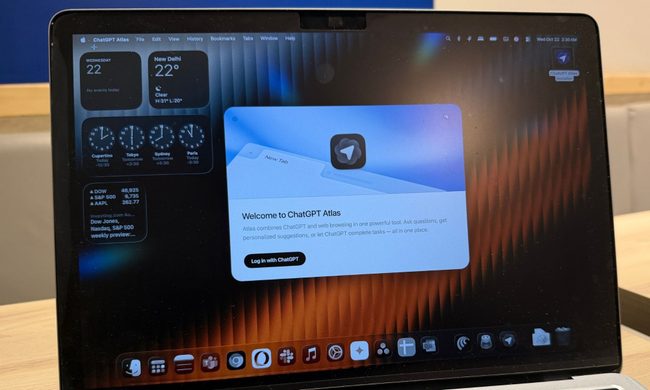
ChatGPT Atlas browser on a MacBook.

ChatGPT Atlas is heading toward an early grave, and anyone still using OpenAI's browser has a small pile of homework to finish before the shutdown. OpenAI has confirmed that Atlas is scheduled to stop working on August 9, 2026.

After that date, the browser may no longer be operational. So users won't be able to browse the web or get access to its agent-powered workflows. Meanwhile, the company is moving those browser-based capabilities into ChatGPT and Codex. But unfortunately, the transition isn't as convenient as users may hope.

Read more