  1. Home
  2. Computing
  3. News

YouTube’s AI-powered search is rolling out in the US to find videos based on situations you describe

Ask YouTube can find videos based on the situation or idea you describe

Add as a preferred source on Google
youtube ai search feature
Rachit Agarwal / Digital Trends

YouTube users in the U.S. are getting a new way to search for videos on the web. The company has started rolling out Ask YouTube, its conversational AI search experience, beyond the Premium-only test announced at Google I/O 2026.

Instead of entering a few keywords and scrolling through a standard list of results, users can ask YouTube a complete question. The feature is designed for broader searches where the exact video, channel, or topic may not already be clear.

So what exactly does Ask YouTube do?

Ask YouTube can handle more detailed queries, such as how to teach a child to ride a bike or which cozy games are worth playing before bedtime. It searches across YouTube’s catalogue, including long-form videos and Shorts, before presenting the results in a structured response.

Users can also ask follow-up questions to refine the search. During our earlier testing, the results included a written overview, a featured video, longer uploads timestamped to relevant sections, and groups of Shorts organized under different subheadings.

Recommended Videos

The layout is different from the standard YouTube results page, which usually presents videos as a continuous list. Ask YouTube adds context around the recommendations and groups them according to different parts of the query.

Is it available to everyone now?

Starting this week we’re rolling out Ask YouTube on the web for U.S. users. You’ll be able to ask more natural, conversational questions to help you find videos and explore new ideas.

We’re looking forward to your feedback as we continue to build better ways to help people learn… https://t.co/l4AOPrvw84

— Neal Mohan (@nealmohan) July 10, 2026

YouTube CEO Neal Mohan says Ask YouTube is rolling out on the web for users in the U.S. starting this week. The company has not provided a precise schedule, so availability may still vary.

Ask YouTube was introduced on May 19 for Premium members aged 18 and older in the U.S. through YouTube’s experimental features page. The wider rollout brings it to regular users on the web, although YouTube has not yet confirmed when it will reach mobile devices or expand beyond the U.S.

Sudhanshu Kumar Mangalam
I’ve got about 4 years of experience, mostly covering gaming, PC hardware, and smartphones. In my free time, I like…
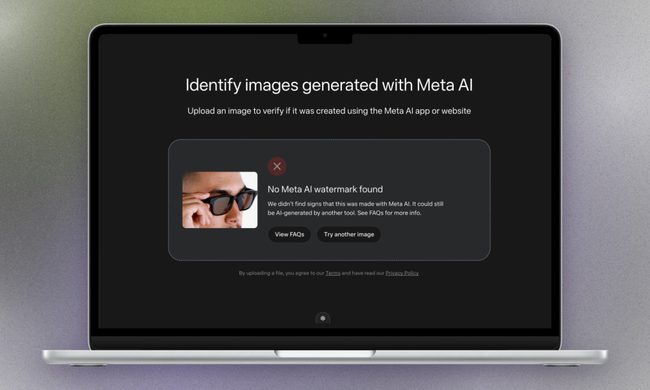
Meta’s detection tool fails to identify photos generated by its own Muse Image AI
Meta has created an invisible watermarking tool called Content Seal that is embedded in all images generated by the Muse Image AI.
Meta AI identification tool.

Earlier this week, Meta announced two new AI products, namely, Muse Image and Muse Video. As the name suggests, these are generative AI tools for making photos and video clips using natural language text prompts. Soon after their rollout commenced, these tools sparked controversy because Meta had automatically opted in Instagram users, allowing others to use their publicly posted media and convert them into remixed AI content. But it appears that Meta courted another loss on its side of the court.

What's the problem?

Read more
Your Google AI Studio apps can finally have polished, presentable web links
AI Studio web apps can now use personalized subdomains
google ai studio logos

Google AI Studio has made building a web app surprisingly easy. You can describe what you want, refine the design through prompts, and publish the result without setting up a traditional development environment. An awkward point of friction comes after deployment, when the finished app still has to live behind a long, forgettable Cloud Run link.

Google is now cleaning up that final step. AI Studio lets you assign a deployed web app a personalized address under the “ai.studio” domain, such as “your-app-name.ai.studio.” A recognizable URL should make the project look more presentable in a portfolio, client demo, social post, or internal project page.

Read more
You can now check if a Google ad was made using AI
Google will auto-label its own AI ads, but third-party AI ads still rely on advertisers to come clean.
google-ads-ai-label

Ever looked at an ad and wondered if a real person made it or if it was AI generated in seconds? Google is now giving you a way to find out.

The company just announced a new AI transparency label that tells you whether an ad was created or edited using generative AI tools. The label lives inside Google's My Ad Center, and it is rolling out across Google Search, YouTube, and Discover globally.

Read more