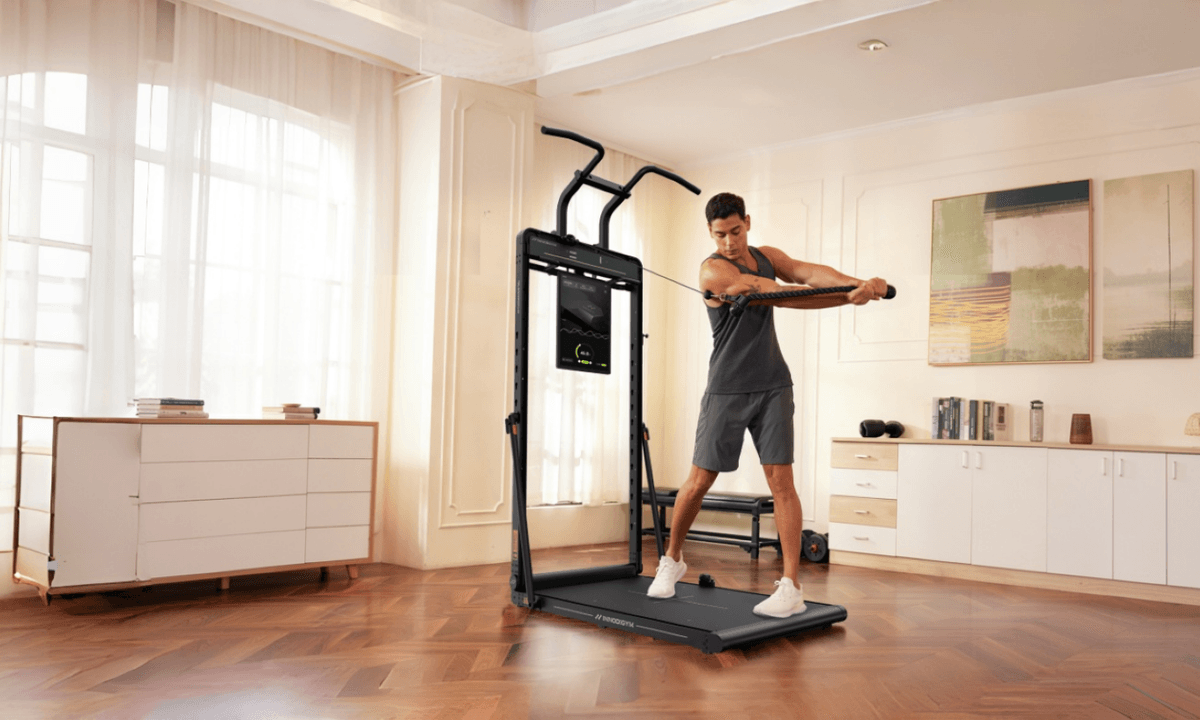
The modern home gym is shaped as much by space as it is by fitness. A large setup can be hard to justify in apartments, multipurpose rooms, and homes where exercise equipment has to share space with everyone else. That reality has pushed product design toward systems that stay compact while still supporting serious strength work. Recent fitness technology by brands like INNODIGYM has moved strongly in that direction, combining software, sensors, and motor-driven resistance into equipment built for a wider range of exercises.
That movement has helped define a newer kind of strength equipment for the home. Smart strength systems now bring presses, rows, squats, and pull-downs into one platform with a smaller footprint and a more connected training experience. The attraction comes from resistance control, workout tracking, adaptable training settings, and hardware that fits daily life more easily.
Why the Old Home Gym Model Feels Tight
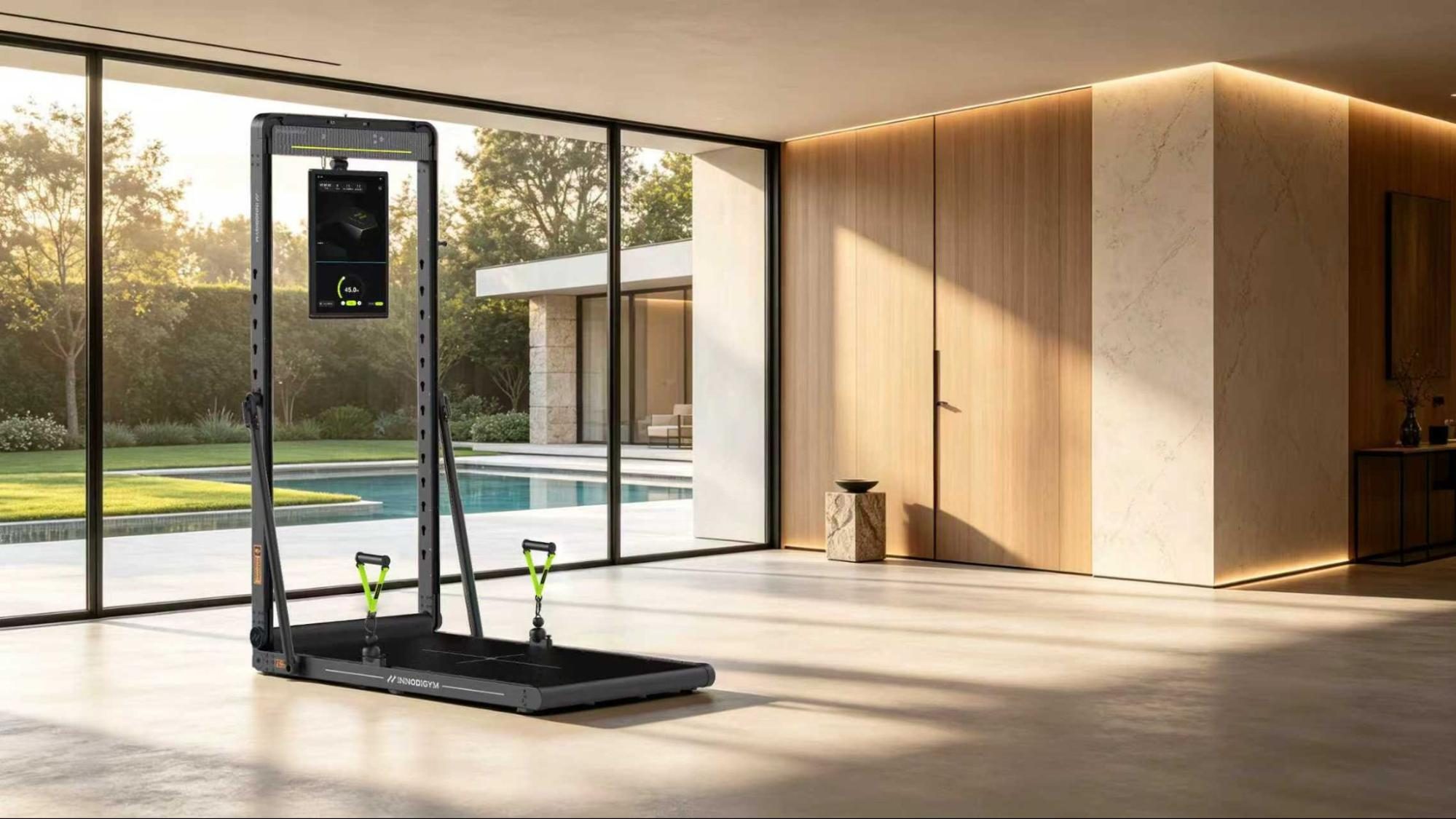
Traditional home strength training has always asked for compromises. The new wave of compact strength systems is responding to that pressure through engineering. Machines like INNODIGYM’s OMNI X1 fold into a smaller footprint, moving more easily than a conventional rack-based setup, and skip the installation process that often turns home equipment into a long project. Once opened, it uses a 360-degree cable structure to support a broad range of movements. That gives users more room to train without bouncing between separate stations.
Where the Tech Changes the Experience
Digital resistance has become one of the clearest signs that home strength equipment is moving into a more specialized phase. INNODIGYM’s OMNI X1 uses dual servo motors and delivers up to 120 kilograms of resistance, giving users a system that can shift settings quickly and support different training goals without changing plates or attachments every few minutes.
That hardware also supports multiple training models, including standard resistance, eccentric resistance, spring mode, and isokinetic mode. Those options change the feel of a workout in ways that traditional equipment usually can’t do on its own.
Someone newer to strength work can keep things more approachable. A more advanced user can dial in sessions with greater precision. Smart equipment is starting to give home users access to training formats that once felt tied to commercial or performance spaces.
A Stronger Software Layer
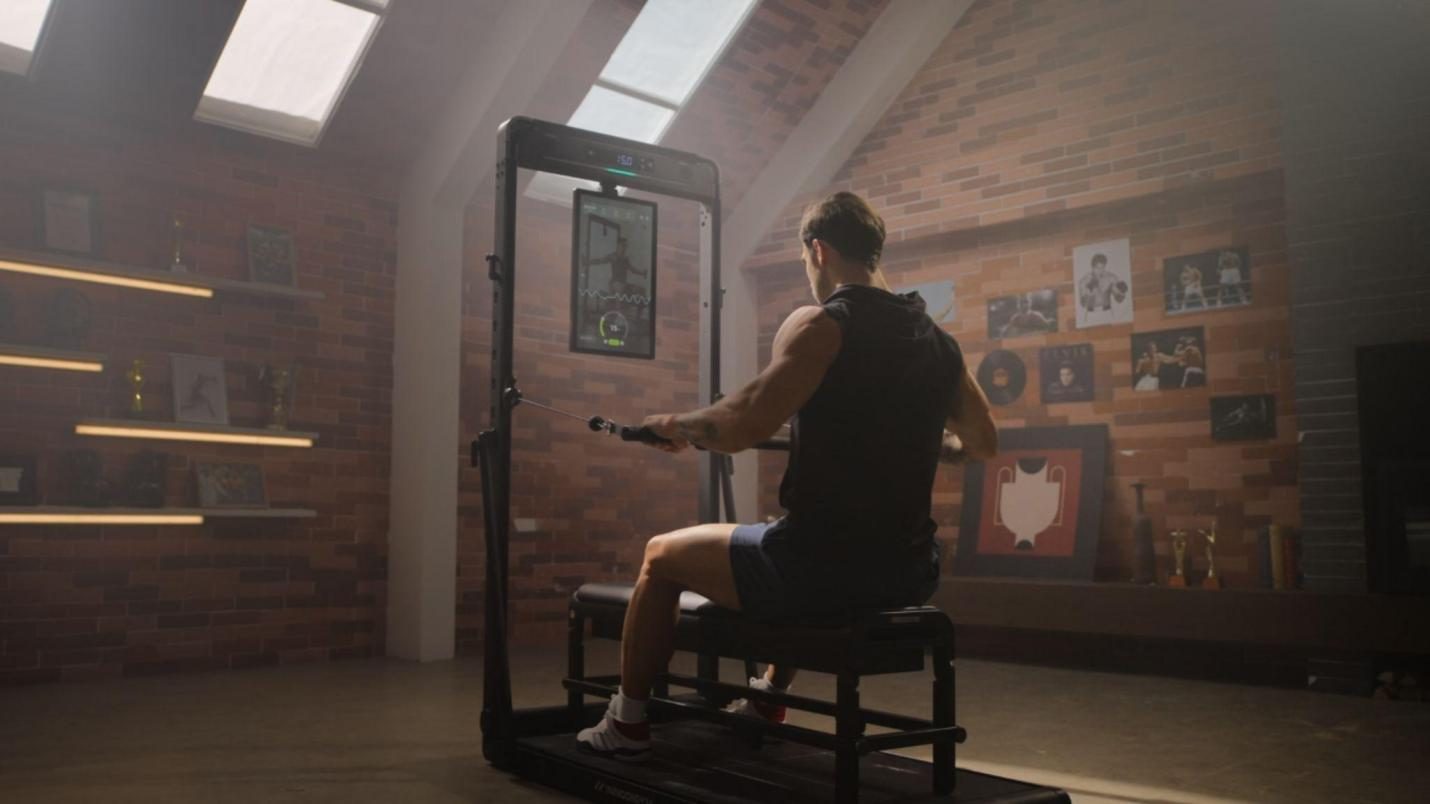
A companion app can log workouts, track progress, and guide training over time, which turns the machine into part of a larger connected system. Planned updates for the OMNI X1 are also expected to add more personalized coaching features.
Safety technology is another major piece of that change. Solo strength training at home has always carried a certain tension, especially during heavier lifts. AI-assisted spotting addresses that directly by detecting fatigue or unstable movement and reducing resistance when needed. That feature changes the feeling of training alone. It gives users more confidence to push through demanding work with support built into the machine itself.
A recent surface electromyography comparison also gave the OMNI X1 an additional layer of credibility. In movements like the lat pulldown, cable crunch, and bench press, the system showed strong target-muscle engagement and sustained tension across the range of motion. That kind of result gives weight to the broader idea that compact home equipment can deliver serious performance when the engineering is there.
Where This Category Is Going
The rise of smart strength systems points to a larger change in home fitness. People are looking for the equipment that fits real homes, adapts to different levels of experience, and brings connected features into the training process without making the setup feel clumsy. INNODIGYM’s OMNI X1 fits into that space, pairing compact design with digital resistance, AI safety features, quiet operation, and a commercial-grade feel built into an aluminum alloy frame.
Home strength training is becoming more technical, flexible, and aware of how people actually live. That may be the most important change of all. The future of the home gym looks like one system doing far more than a single machine used to do.