University of Minnesota researchers have taught an AI underwater robot to estimate a diver’s breathing rate by watching the bubbles released with each exhalation.
The contactless system, detailed in a peer-reviewed study published in The International Journal of Robotics Research, works with ordinary camera footage. Divers don’t need to squeeze another sensor into an equipment loadout that is hardly lacking for accessories.
Changes in breathing could eventually alert robotic dive partners when something looks wrong. At this stage, the system measures respiration and leaves humans to decide what the reading means.
How the robot read bubbles
The robot’s cameras watch for the bursts of bubbles produced whenever a diver exhales. Its software identifies each burst and converts the pattern into an estimated number of breaths per minute.
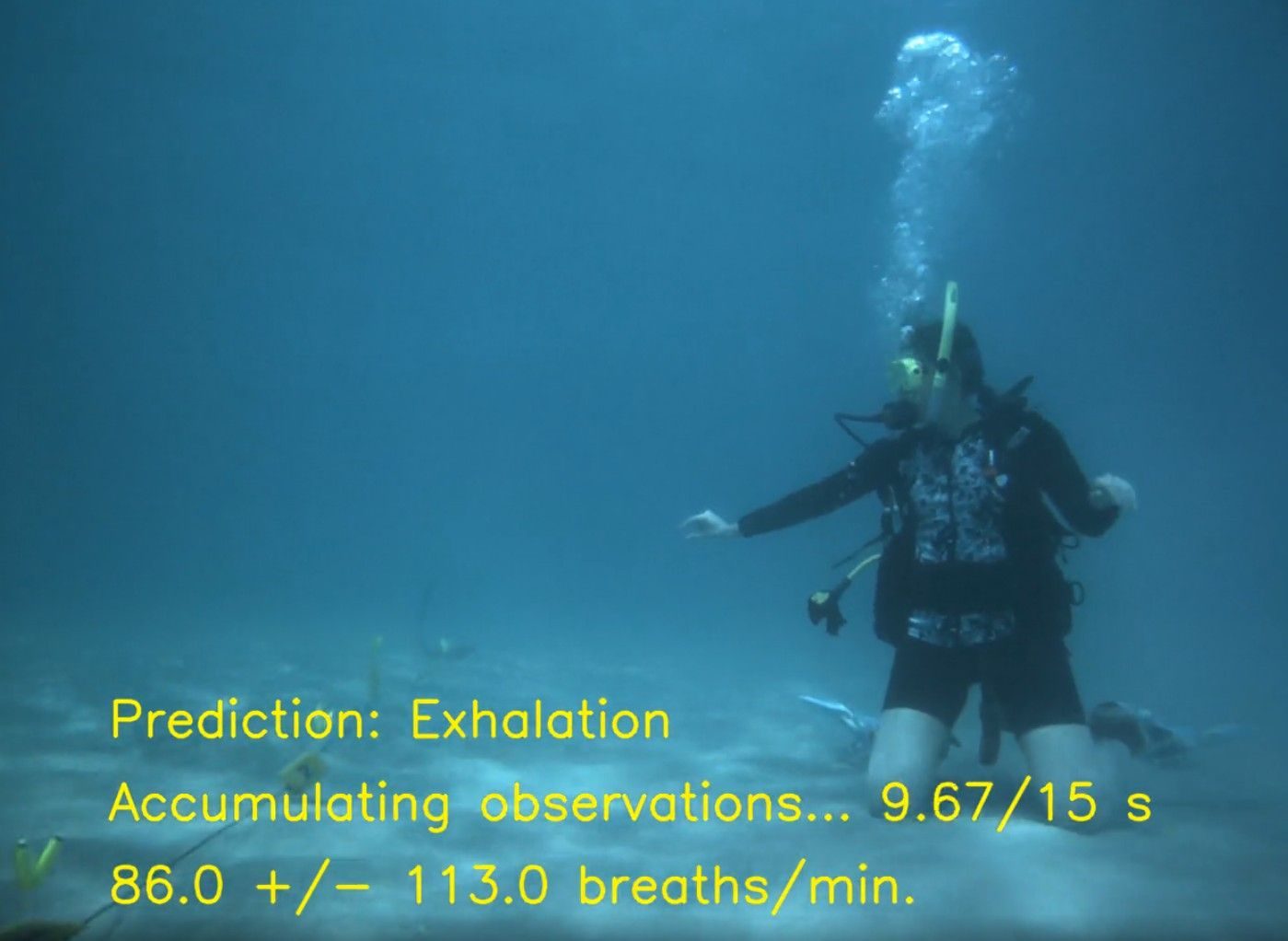
Training it required more than pointing a camera into the water and trusting the bubbles to cooperate. Researchers manually labeled thousands of underwater images and matched the footage with audio of regulator exhalations, teaching the system what counted as a breath.
The team collected video and audio in Minnesota lakes and the Caribbean, testing the method across different temperatures and visibility conditions.
What the robot show divers
During field trials, the HREyes system sorted readings into three bands. Fewer than 14 breaths per minute counted as below normal, while more than 20 counted as above normal.
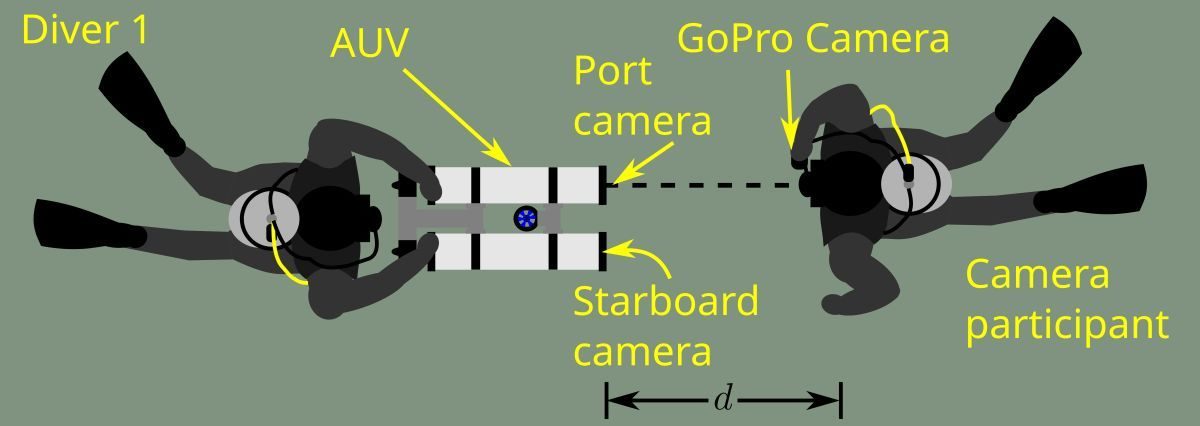
The robot could then display that status to the diver. Think of it as an unusual-reading indicator rather than a proven emergency alarm. It can spot when breathing moves outside the expected range, but the bubbles won’t explain why.
What still needs proving
The study compared the robot’s estimates with human analysis. It didn’t establish whether those readings can reliably identify stress or warn that an emergency is approaching.
Researchers next plan to combine respiration measurements with analysis of the diver’s movement. That second physical signal could give the robot more context. Until then, it can provide a breathing rate, not a diagnosis.