  1. Home
  2. Emerging Tech
  3. News

Bored of reading papers? This AI tool turns them into TikTok-like videos

PaperTok brings academic papers to people with short attention spans

Add as a preferred source on Google
Head, Person, Face
PaperTok

Academic papers aren’t what you’d consider a fun read. For the average person, the dense, long, and field-specific language-filled papers can be quite intimidating to get into. These are usually packaged as PDFs that look like they were designed to test your willpower. A group of University of Washington researchers thinks there may be a better way to get that work in front of regular people. They are turning the papers into short-form videos.

The tool is called PaperTok, and it uses AI to help researchers convert academic papers into short, social-friendly videos. Think TikTok, except the idea is to explain research instead of sharing brain-rotting content. The best part? PaperTok is building a platform around scientists and researchers who are involved in the process, rather than simply using AI to summarize these papers.

How PaperTok works
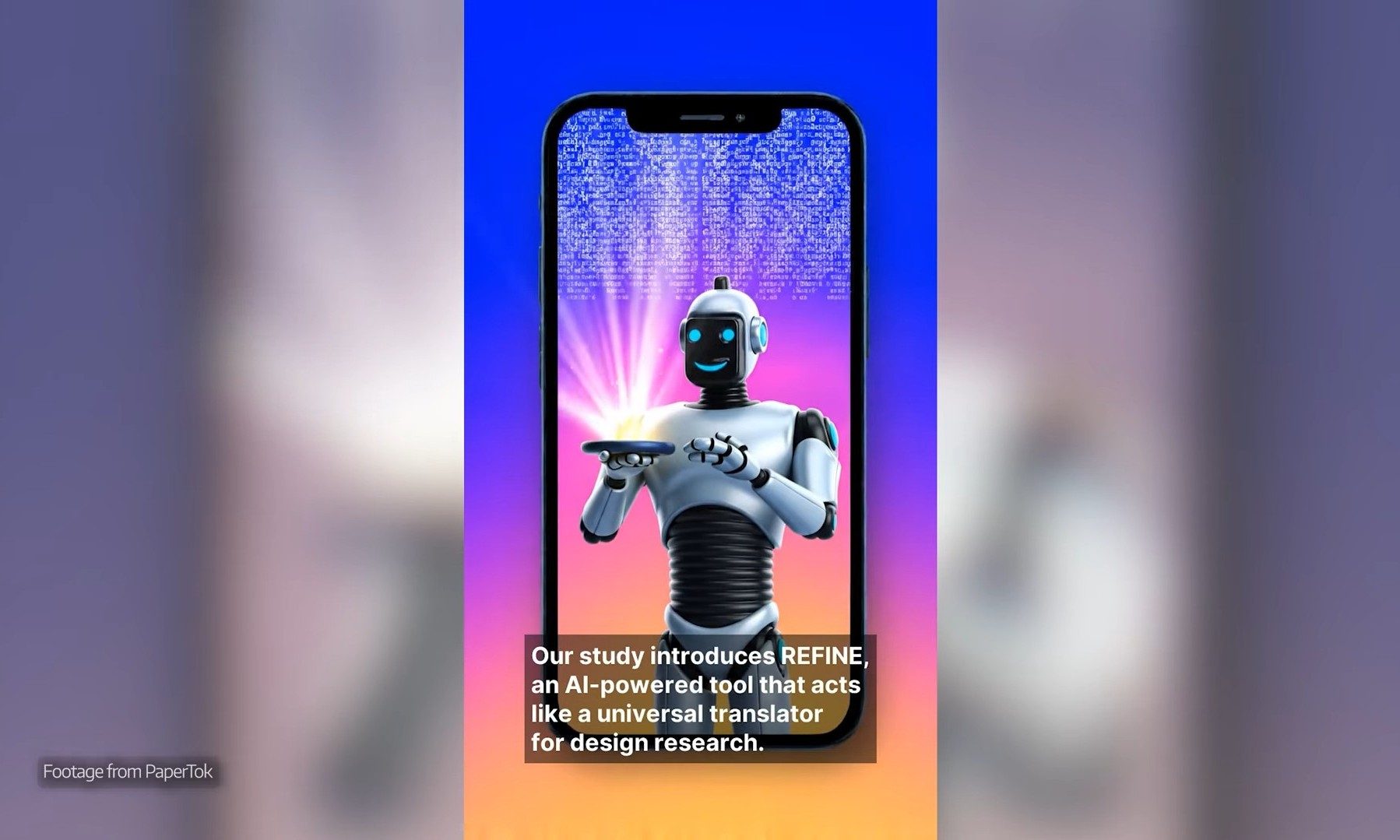
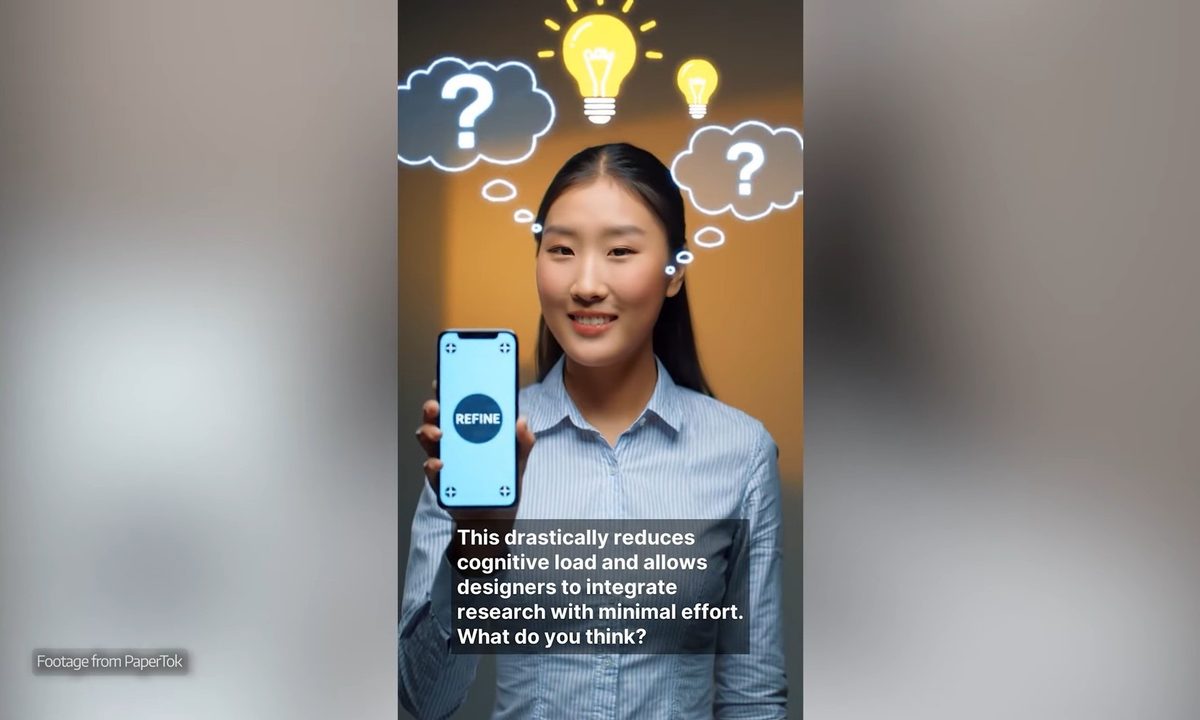
A researcher uploads a paper to PaperTok, which uses Google Gemini to analyze the document and generate short video ideas. The system offers multiple hooks because short-form videos live or die in the first few seconds. Once the user picks a hook, PaperTok creates a script. The researcher can then edit the transcript, adjust the tone, and refine the video before moving into a storyboard stage. The system then breaks the script into scenes and generates visual clips one section at a time.

PaperTok adds credits for the paper’s authors and the video creator after the video is ready, which ensures that AI doesn’t take away from the people who actually did the work. The videos are designed to be short. PaperTok can turn research papers into 45 second videos, which is much closer to the way many people actually consume media online.

How AI is being used to fight AI

PaperTok exists because researchers noticed people were already using generative AI to make short science videos. However, non-experts using AI to explain complicated papers often lead to mistakes that spread wrong information quickly. So PaperTok is using the tools in a correct manner and keeping scientists in the loop.
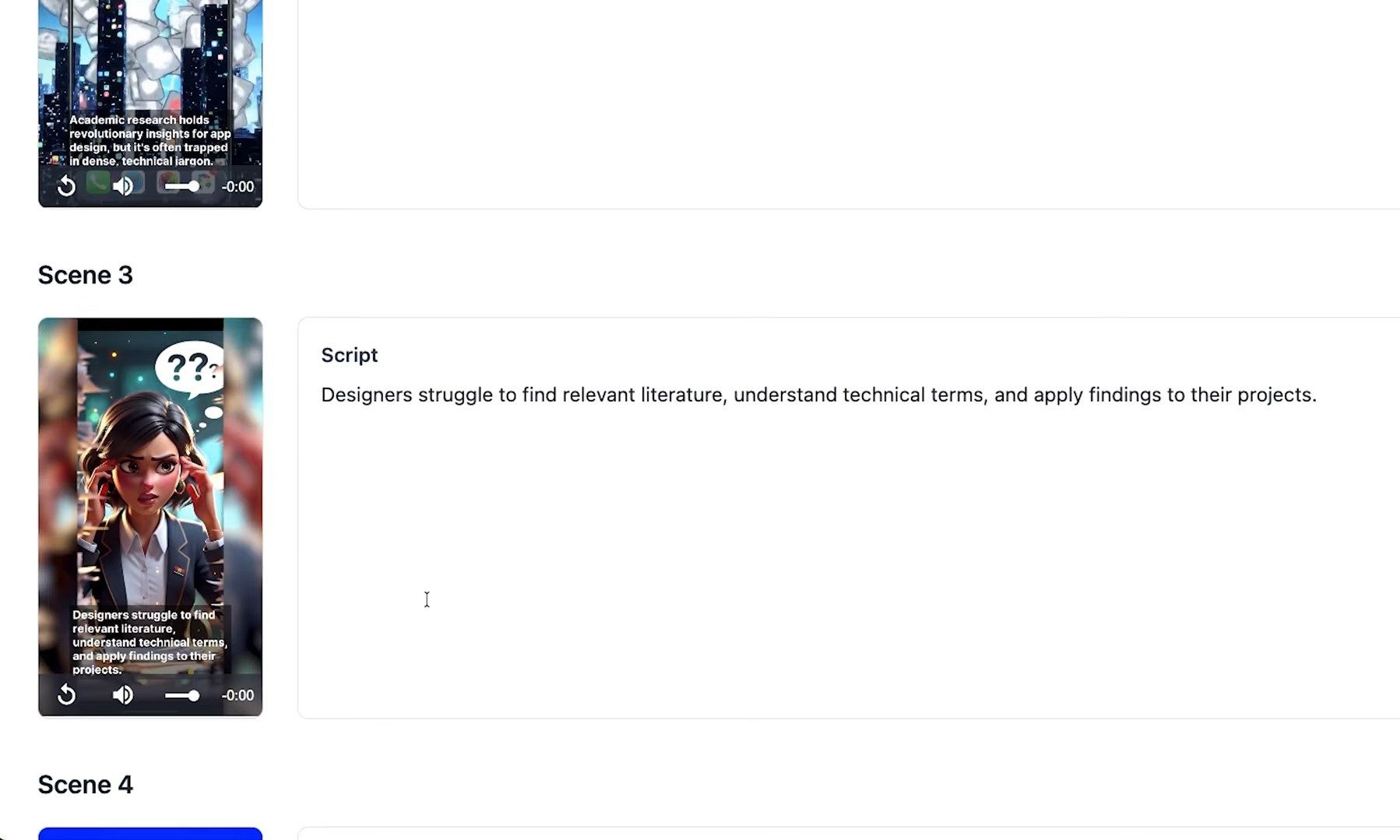
In testing, UW researchers compared PaperTok videos with videos from two other PDF-to-video generators using feedback from 100 online participants and 18 academic participants. PaperTok’s videos were seen as easier to use and more engaging. Although some users still felt that the videos looked too AI-generated, with issues like strange visual artifacts or nonsense text. So the technology isn’t perfect yet. If a video looks too obviously AI-made, it could even hurt credibility.

Recommended Videos

As of right now, PaperTok is limited to users with a paid Google Gemini subscription. The team also plans to improve customization, including ways for users to guide specific parts of generated scenes more directly.

Vikhyaat Vivek
Vikhyaat Vivek is a tech journalist and reviewer with seven years of experience covering consumer hardware, with a focus on…
Stanford scientists built an AI that can design healthier, greener burgers
The new system balances nutrition, taste, cost, and environmental impact to create better recipes.
Burger, Food, Food Presentation - Man picking a burger

Artificial intelligence has already helped write code, discover drugs, and generate videos. Now, it's trying to make a better burger. Researchers at Stanford University have unveiled BurgerAI, a new AI system that designs burger recipes by balancing taste, nutrition, sustainability, and cost. The surprising part? In blind taste tests, diners liked some of the AI-created burgers just as much as, and in some cases more than, a popular fast-food burger.

BurgerAI is designed to invent recipes, not copy them

Read more
OpenAI reveals its most advanced GPT-5.6 model, but you can’t access it yet
GPT-5.6 brings new reasoning, autonomy, and cybersecurity capabilities, but its rollout is currently limited to government-approved customers.
OpenAI ChatGPT 5.6 Sol Terra Luna Announced

OpenAI has officially taken the wraps off GPT-5.6, its most advanced family of AI models to date. There's just one catch: unless you're one of a handful of approved customers, you won't be able to try it anytime soon. Instead of a broad launch, the company is beginning with a tightly controlled preview while it works through a new U.S. government review process.

GPT-5.6 is here, but only a few people can use it

Read more
Bacteria could be the secret sauce to keeping your computers cool
Scientists find bacteria can grow thermal materials that outperform current cooling tech.
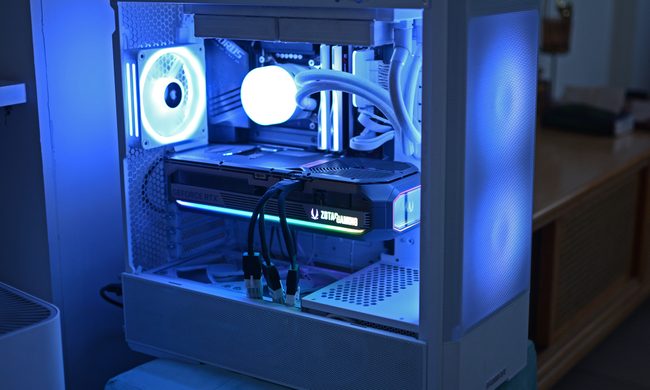
The Zotac RTX 5070 Ti Amp Extreme Infinity plugged into a white gaming PC

Your PC and laptop runs hotter every year, especially now that AI tools and heavy software push it harder than ever. Heat is a real bottleneck for performance, which is why people have gone to wild lengths to solve it, like strapping an actual ice machine to an RTX GPU. A new study points to a far less extreme fix for this problem, and it involves bacteria (via TechXplore).

Researchers have developed a new way to grow thermal interface materials, the substances that sit between a chip and its cooling system to help heat escape faster. The process involves feeding bacteria sugar and metal ions, letting the microbes build the material naturally instead of relying on traditional chemical manufacturing.

Read more