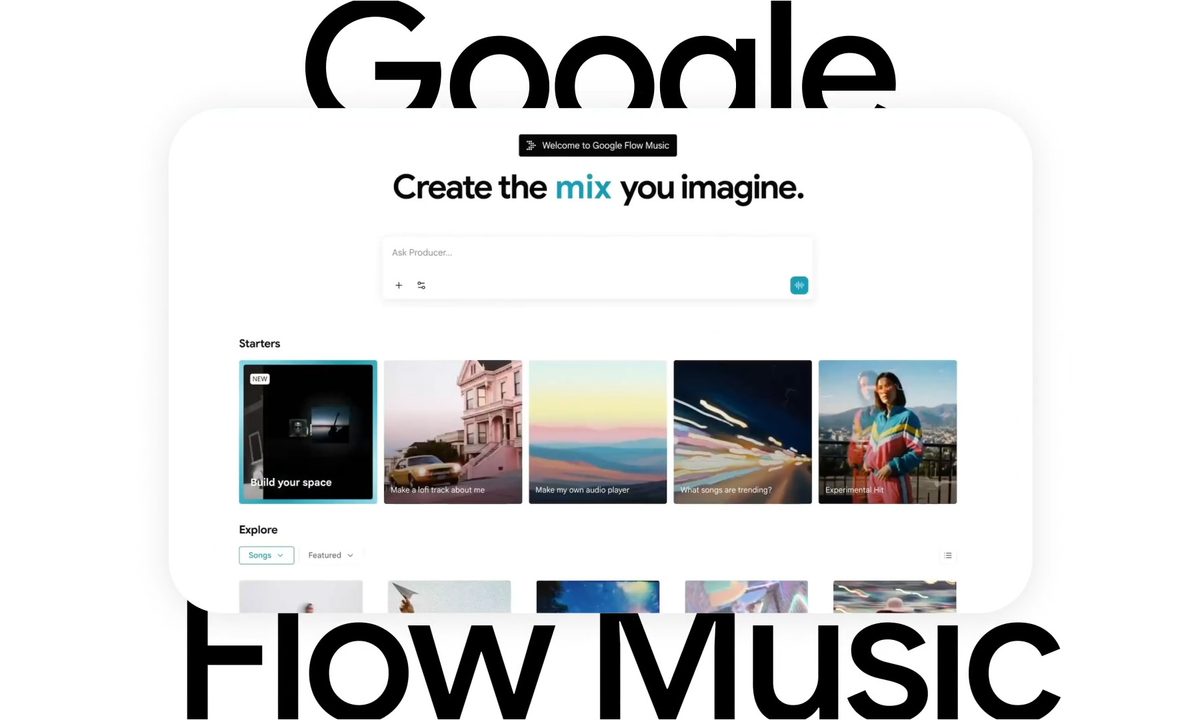
The company has announced a major update for Flow Music Spaces, bringing a suite of new AI-powered creative tools directly into collaborative workspaces. Instead of jumping between different apps or sessions, users can now generate and edit songs, split audio stems, create images, write lyrics, and even generate videos without leaving a Space.
What’s new in Flow Music Spaces?
With the latest update, Flow Music Spaces is becoming much more than a collaborative workspace. Users can now generate and edit songs using Cover, Replace, and Extend tools, split audio stems into individual tracks, generate lyrics, create images, and even produce AI-generated videos — all without leaving a Space.
The biggest advantage is that creators no longer need to jump between multiple AI tools or start a new session every time they want to tweak a project. For example, a musician can generate a song, replace a verse, extend the track, separate vocals from instrumentals, create album artwork, write matching lyrics, and even produce a promotional video from the same workspace. That makes it much easier to iterate on ideas while keeping everything organized in one place.
In effect, Spaces is evolving into a central hub for AI-assisted music production rather than just a collaboration feature. While it won’t replace professional digital audio workstations, the update makes Flow significantly more useful for songwriters, producers, hobbyists, and developers building music-related experiences, letting them manage much of the creative process from a single interface
What is Google Flow Music?
For those unfamiliar, Google Flow Music is Google’s AI-powered music creation platform that lets users generate songs using text, images, audio, and voice prompts. Users can also remix existing tracks, edit compositions, publish creations, and collaborate through Spaces, which function as shareable creative workspaces for building music apps, virtual instruments, and other interactive experiences. The latest update simply means creators can now perform many of those tasks directly inside a Space instead of switching between different tools. It’s a quality-of-life improvement, but one that could significantly streamline workflows for musicians, producers, and hobbyists alike.
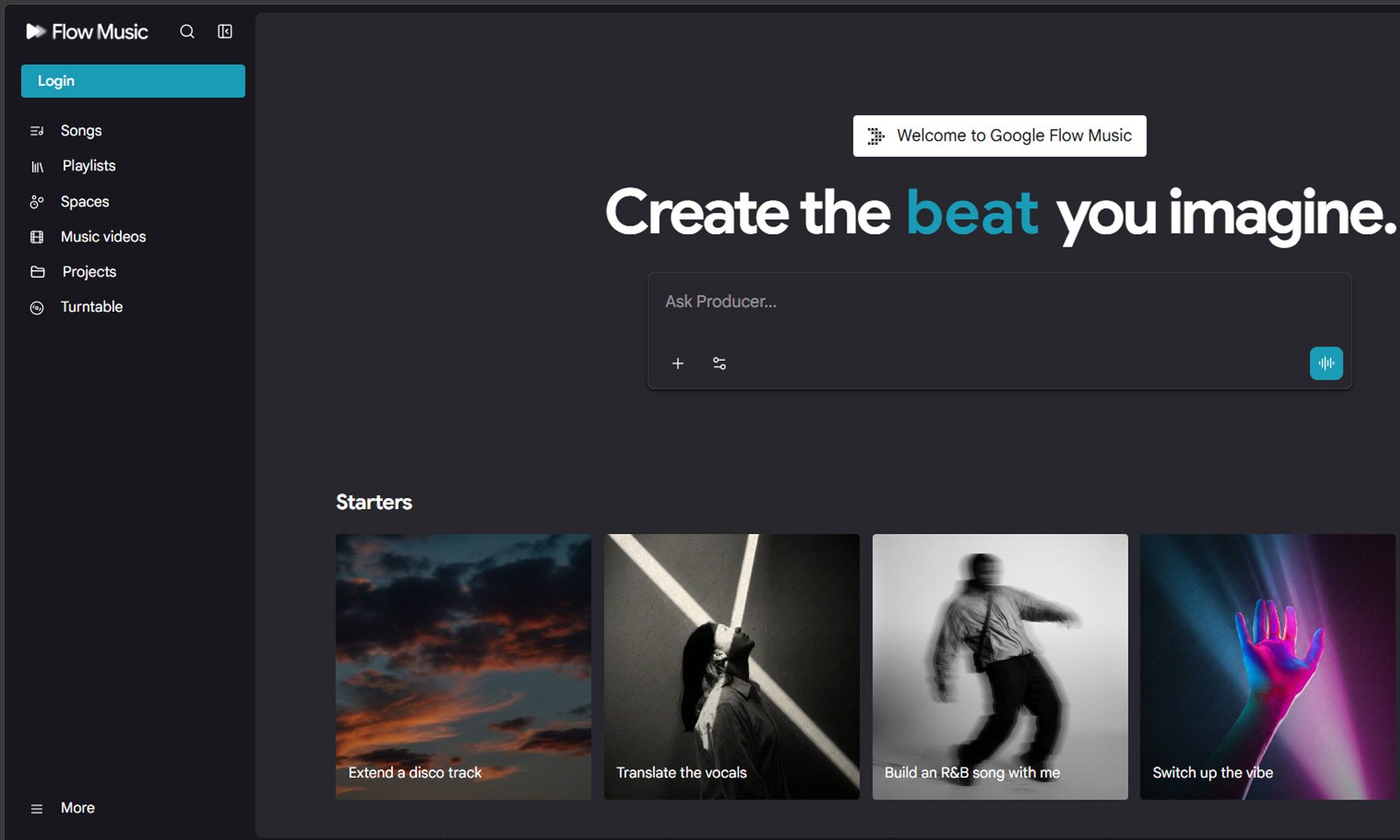
Google has been steadily adding new features to Flow over the past few months, expanding the platform’s AI-powered creative capabilities for musicians and creators. This latest update continues that trend by making Spaces a more capable workspace, bringing music creation, editing, and multimedia generation together under one roof.