  1. Home
  2. Emerging Tech
  3. News

Horror films play music to warn about danger. These headphones use the same trick to save you from robots

Spherephones replaces factory alarms with music that tells you what is coming and from where.

Add as a preferred source on Google
spherephones-georgia-tech
Chris McKenney / Georgia Tech

The ear has always processed what is coming before the eye does. In horror movies, the music always tells you something bad is coming. Now researchers at Georgia Tech are using the same idea in real life to keep factory workers safe around robots.

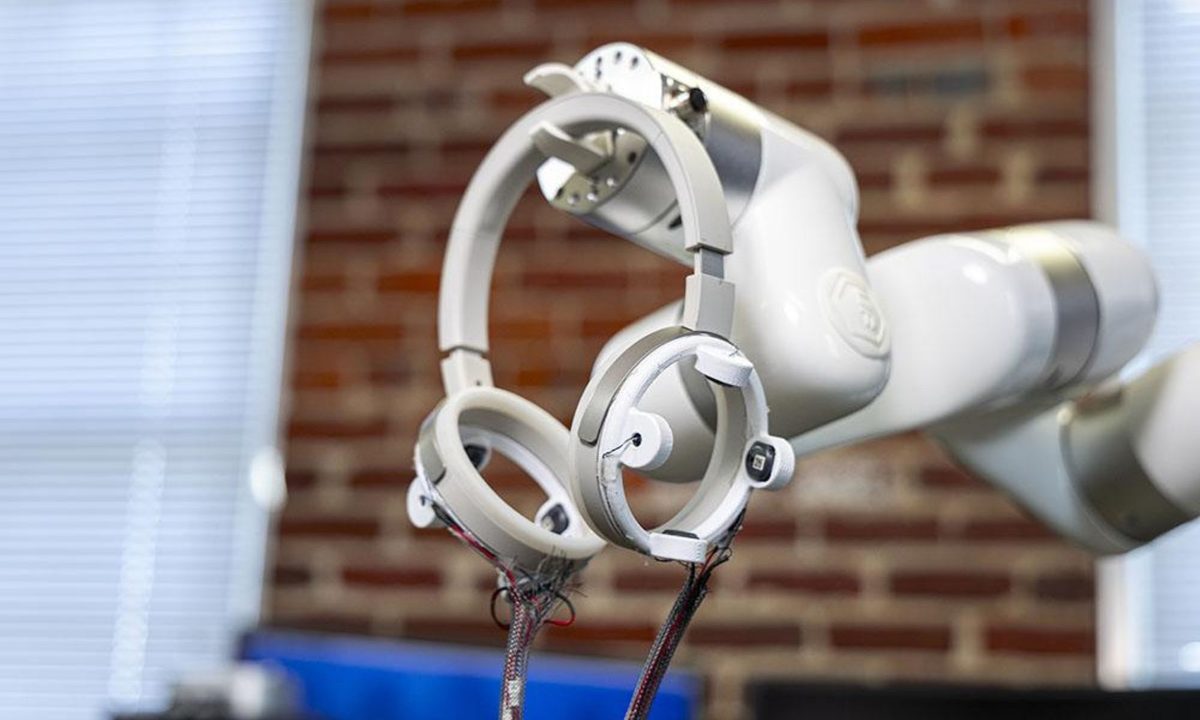
They have built a wearable headset called Spherephones that converts nearby robot movement into spatial music, giving you a warning before a machine gets too close. It helps the user stay aware without breaking their attention.

How Spherephones turns robot movement into music you can feel

The project started with a problem on factory floors, where humans and robots increasingly work side by side. Traditional alarms can tell you something is wrong, but they do not tell you where the danger is or how fast it is coming. Over time, workers can start ignoring them.

Recommended Videos

This is why Spherephones takes a different approach. It uses an open-ear headset with four speakers around each ear, placed in front, behind, above, and below. That last speaker is important because most headphones cannot place sound beneath you.
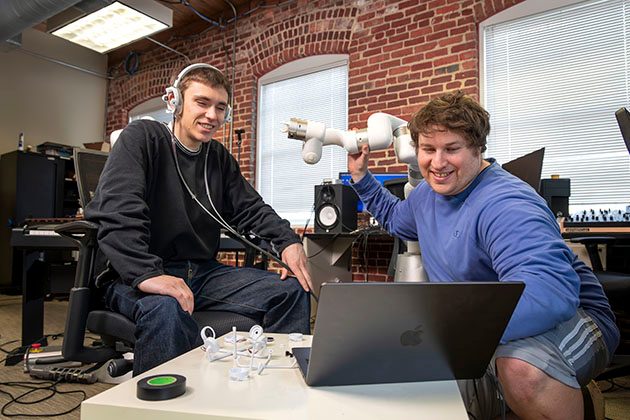
As a robot moves closer, a lo-fi melody starts playing. The sound changes with direction, distance, and speed, letting you predict when the robot will arrive without taking your eyes off your work. In early tests, participants kept assembling and sorting while tracking robot movement through sound alone.

Spherephones can be useful far beyond the factory floor

The team quickly realized that these headphones could do much more. They ran a virtual reality experiment where a user heard spatial sound coming from behind with no visual trigger, and physically flinched in response. That reaction proved the same mechanism works anywhere sound needs to carry spatial meaning.
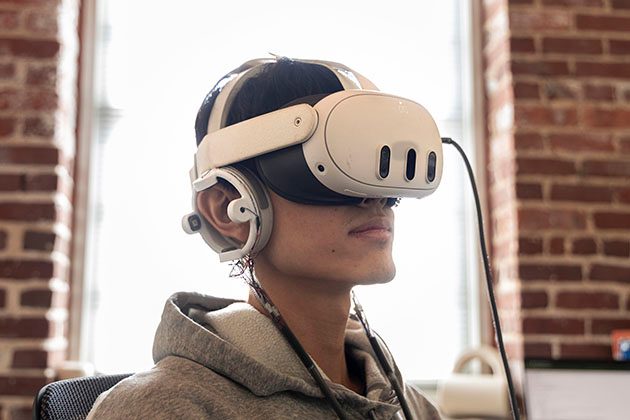
Spherephones are now being studied for use in gaming, where it adds audio cues above, behind, and below that standard headphones cannot replicate. Researchers also see potential for helping people navigate without sight and even for PTSD therapy.

The idea is clever because it borrows from something your brain already understands. In films like Jaws and Psycho, music builds dread before your eyes catch up. Spherephones simply puts that instinct to work somewhere new.


Manisha Priyadarshini
Manisha Priyadarshini is a tech and entertainment writer with over nine years of editorial experience.
Elon Musk refutes report claiming that an AI device is in development at SpaceX
The billionair's two-word denial on X doesn't explain what part of the Wall Street Journal's report he's disputing.
Elon Musk speaking into a microphone with a blue background

Elon Musk has denied a Wall Street Journal report claiming SpaceX showed investors a prototype AI device before its recent IPO. "Utterly false," Musk wrote on X, responding to a post about the report that has since been deleted, offering no further explanation.

A denial that leaves more questions than it answers

Read more
Study finds humans will talk to AI ghosts of the dead as reincarnations, and it’s pretty grim
The first AI ghost study is in. The results are about as complicated as you'd expect.
VR Headset, Person, Face

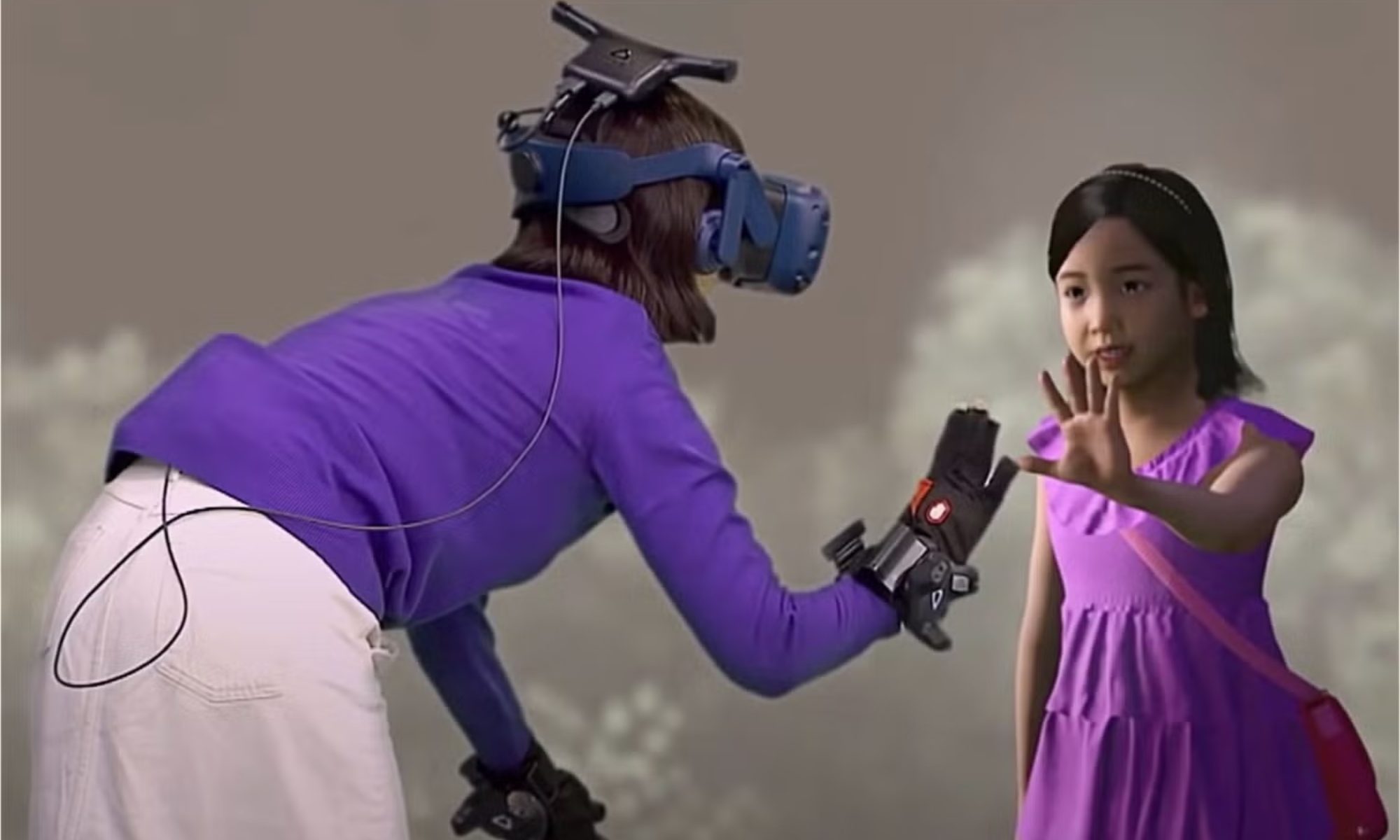
A new study from the University of Colorado Boulder confirms something that sounds both impressive and concerning. People find interacting with AI simulations of their dead loved ones deeply meaningful, and most will come away wanting to do it again.

The researchers call it a "generative ghost," which is a clear reference to generative AI, but I’d still prefer to call it unsettling.

Read more
China’s UBTech unveils eerily lifelike companion robots, and yes, they want to move in with you
UBTech's new humanoid robots are built for companionship, using emotion-aware AI, long-term memory, and humanlike expressions to become part of your everyday life.
UBTech Uworld U1 series robot launch

A humanoid robot designed to live in your house, learn your habits, and pick up on your mood without being prompted is no longer science fiction. Shenzhen-based UBTech Robotics unveiled its Uworld U1 series this week, introducing three robots built for companionship rather than factory work or household chores.

A body that moves like yours, and a brain that reads how you feel

Read more