
The webcam built into your laptop might be good enough for a quick call with friends and family. But its shortcomings become much harder to ignore when you are presenting a semester project, interviewing for an internship, or maybe if you’re planning to stream for fun.
Laptop cameras also tend to sit far too low, especially when the computer is placed directly on a desk. Meanwhile, a dedicated webcam lets you position the camera closer to eye level. This improves the framing and brings larger sensors, better microphones, and more effective low-light processing.
The right choice depends on how much of your student life happens on camera. A dependable 1080p model can cover regular classes and office hours, while 4K becomes more useful for recorded presentations, content creation, and cropping without turning the image into mush. So I picked five webcams ranging from a familiar Logitech workhorse to a premium Insta360 model built for students who take their video quality seriously.
Anker PowerConf C200
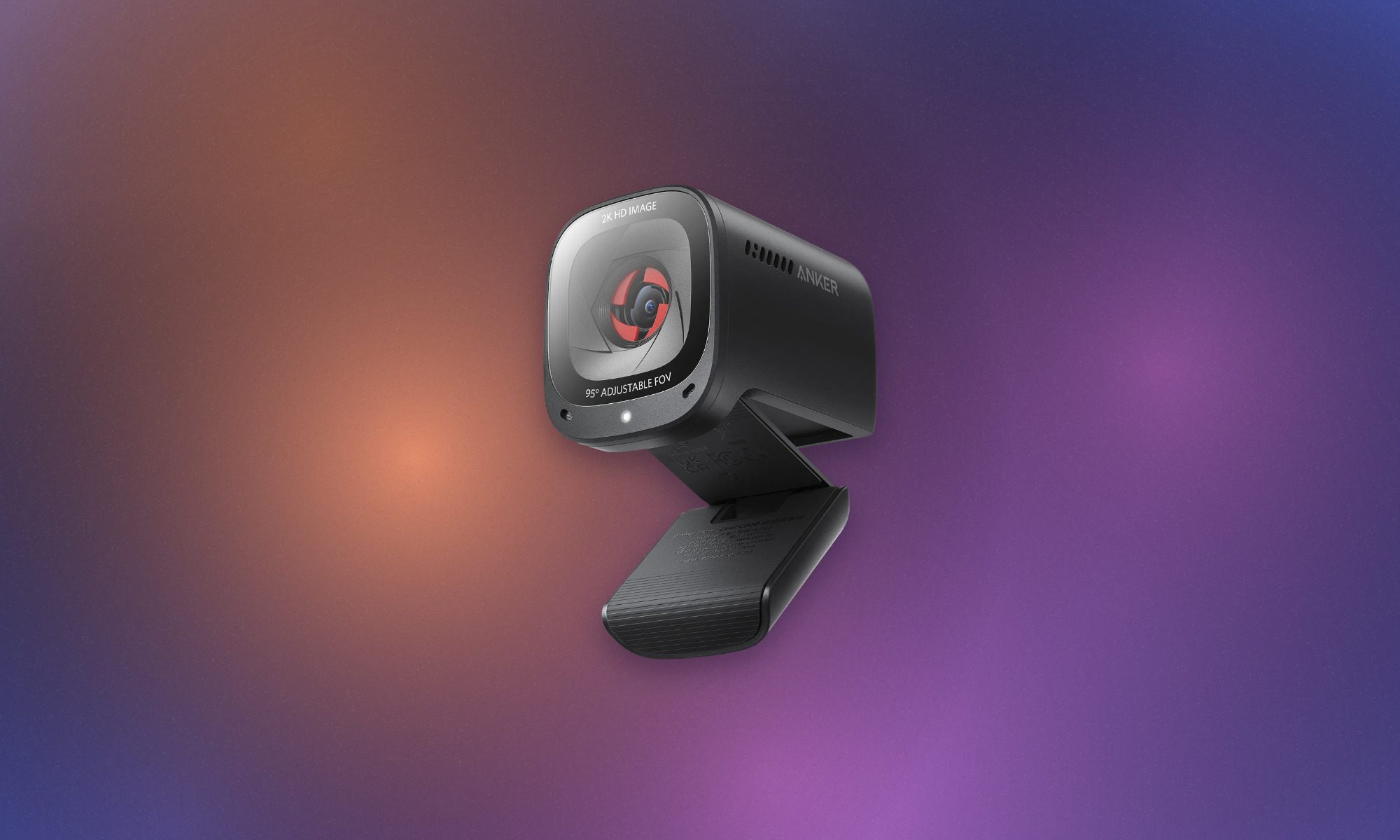
Best affordable webcam for students
- Compact design with built-in shutter
- Crisp 2K resolution image quality
- Solid low-light video performance
- Adjustable lens field of view
- Lacks horizontal pan and swivel
- Slightly grainier than 4K webcams
- Mounting clip has limited flexibility
The PowerConf C200 is the easiest recommendation for students who want a meaningful laptop-camera upgrade without spending three figures. Its 2K resolution provides enough detail for presentations, interviews, and recorded assignments, while the adjustable field of view can hide a chaotic dorm room at 65 degrees or expand to 95 degrees when several classmates need to fit into the shot.
Anker also includes a physical privacy cover, which is far more reassuring than trusting a tiny software indicator. The dual microphones can switch between directional and omnidirectional pickup through the AnkerWork software, helping the camera focus on one speaker or capture a group around the desk.
Video tops out at 30 fps, so students recording fast movement or high-frame-rate streams should look further down the list. For ordinary classes and calls, the C200 offers a strong combination of resolution, privacy, and price.
OBSBOT Meet 2
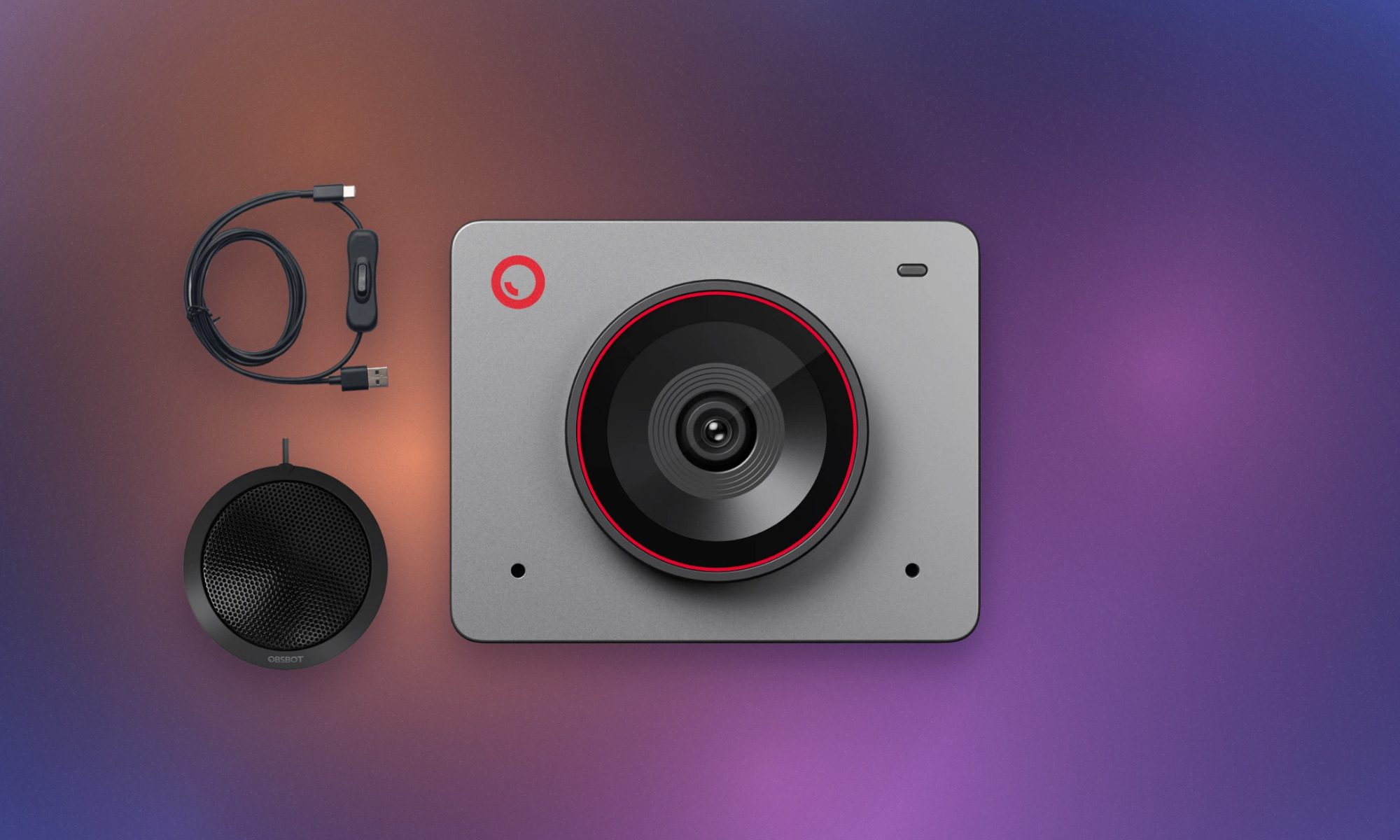
Best webcam for most students
- Compact design with built-in shutter
- Crisp 2K resolution image quality
- Solid low-light video performance
- Adjustable lens field of view
- Lacks horizontal pan and swivel
- Slightly grainier than 4K webcams
- Mounting clip has limited flexibility
The OBSBOT Meet 2 strikes the strongest balance for students who need one webcam for professional uses like interviews and presentations, while also being capable of the occasional content creation. Its half-inch sensor, bright f/1.8 aperture, and HDR support should cope better with uneven dorm lighting than an ordinary laptop camera.
You can record at 4K when detail matters or switch to 1080p at 60fps for smoother motion. AI auto-framing keeps you centered when you move around during a presentation, and gesture controls let you activate framing or adjust the zoom while standing away from the computer.
The magnetic privacy cover also doubles as part of an automatic sleep system. At $99, the Meet 2 costs considerably less than most premium 4K webcams while retaining many of their useful software features. That makes it the model I would place on the broadest range of student desks.
Insta360 Link 2C Pro
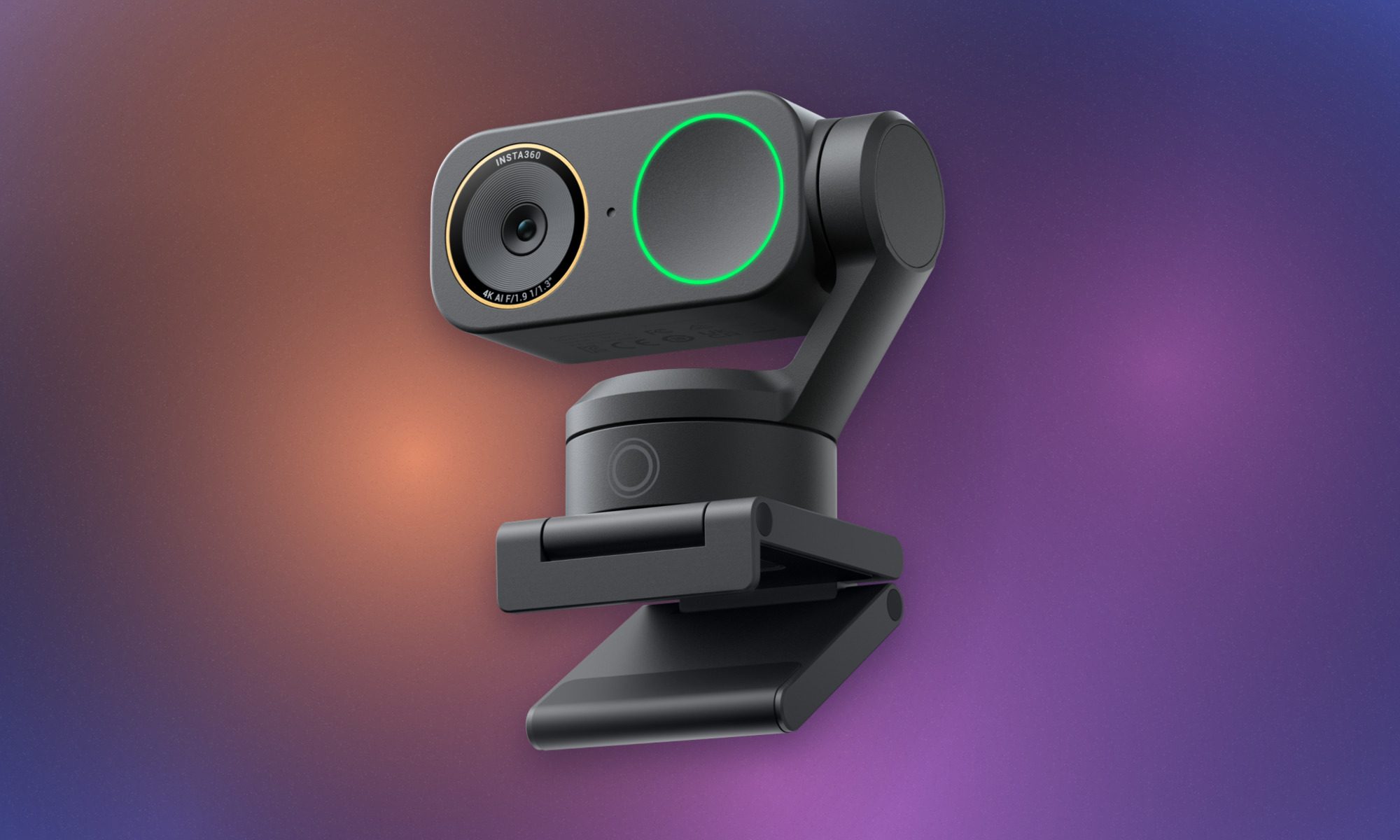
Best webcam for creators and presentations
- Compact design with built-in shutter
- Crisp 2K resolution image quality
- Solid low-light video performance
- Adjustable lens field of view
- Lacks horizontal pan and swivel
- Slightly grainier than 4K webcams
- Mounting clip has limited flexibility
The Link 2C Pro is the model for students who work in film, design, media, communications, and content creation. For these scenarios, this webcam can serve as a compact recording tool. Its 1/1.3-inch sensor is substantially larger than those used by most webcams, with Dual Native ISO and HDR helping preserve more detail in difficult lighting.
Phase-detection autofocus should also reduce the distracting focus hunting that can occur when you hold an object close to the camera. Insta360 gives presenters several genuinely useful modes, including DeskView for showing work laid out below the camera and Smart Whiteboard for making a board easier for viewers to see.
Its dual-microphone system offers four audio modes, including voice focus and a broader pickup pattern for group conversations. The fixed design saves money over Insta360’s gimbal-equipped Link 2 Pro while retaining software-based automatic framing. At $199.99, it is excessive for routine Zoom calls. But I can easily recommend it for students planning to do more with their webcams.
Logitech Brio 4K
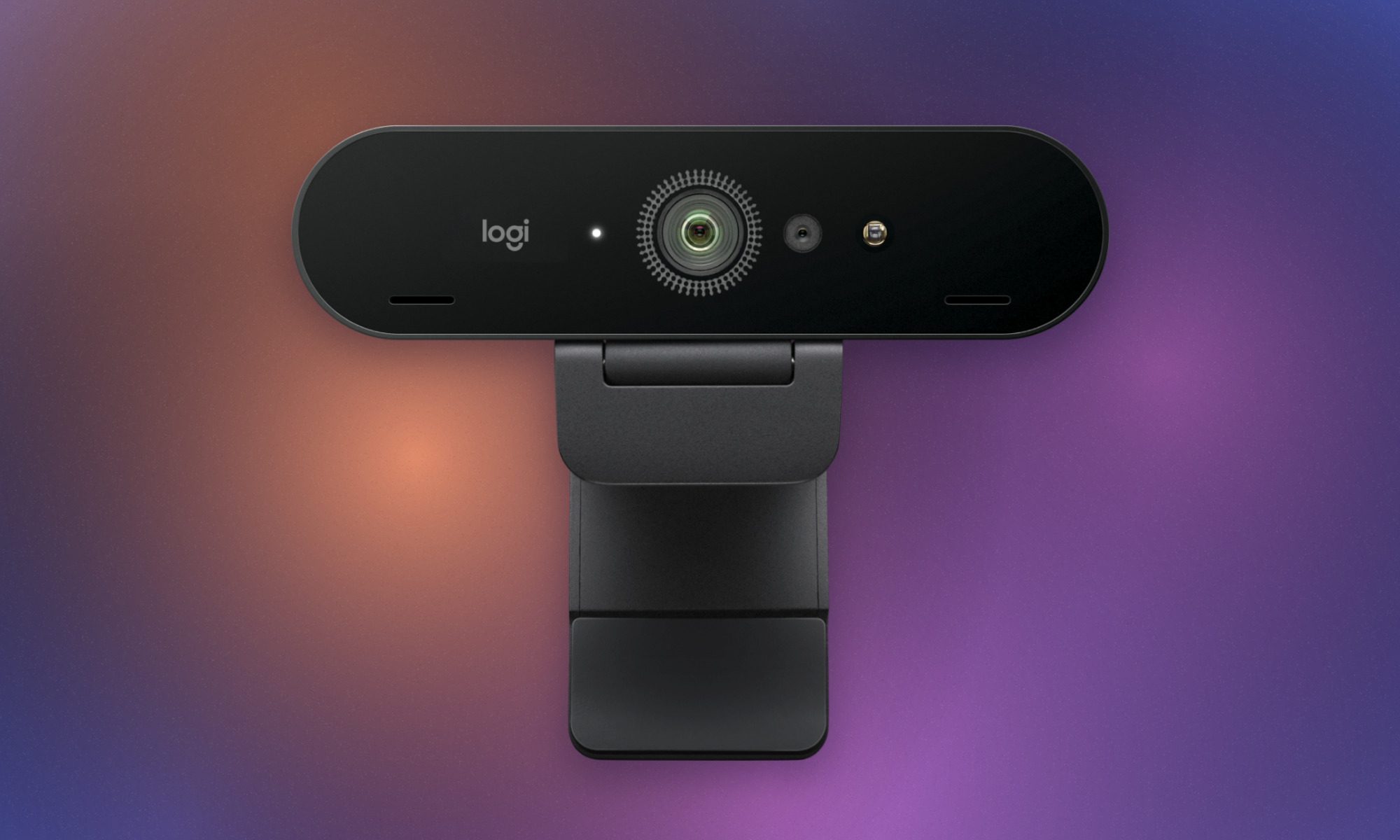
Best webcam for Windows students
- Compact design with built-in shutter
- Crisp 2K resolution image quality
- Solid low-light video performance
- Adjustable lens field of view
- Lacks horizontal pan and swivel
- Slightly grainier than 4K webcams
- Mounting clip has limited flexibility
The Logitech Brio remains particularly useful for Windows students because its infrared sensor supports Windows Hello. Sitting down in front of the computer can unlock it without reaching for a password or fingerprint reader, which becomes surprisingly convenient when the webcam already lives above your monitor.
Its image options are also unusually flexible. Students can select 4K for recorded work, 1080p at 60fps for calls and streams, or 720p at 90fps when smoother motion matters more than resolution. The three fields of view cover everything from tightly framed interviews to group presentations, while RightLight 3 and HDR help balance a bright window against a darker room.
Logitech’s newer rivals now offer automatic framing and more advanced software intelligence, making the Brio’s age easier to spot. Its broad compatibility, Windows Hello support, and dependable image quality still make it worth considering when Amazon drops the price well below $200.
Logitech C920 HD Pro
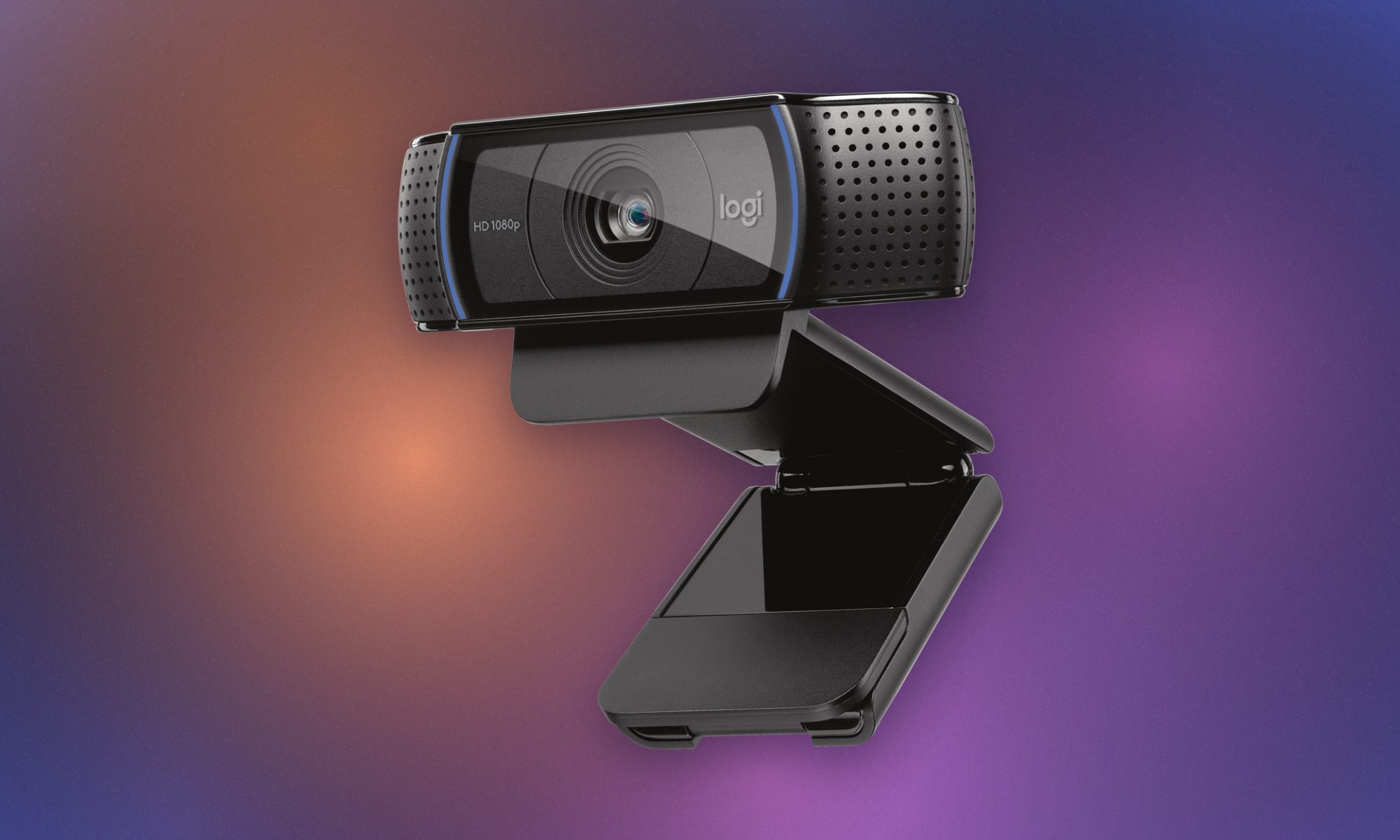
Best simple webcam for online classes
- Compact design with built-in shutter
- Crisp 2K resolution image quality
- Solid low-light video performance
- Adjustable lens field of view
- Lacks horizontal pan and swivel
- Slightly grainier than 4K webcams
- Mounting clip has limited flexibility
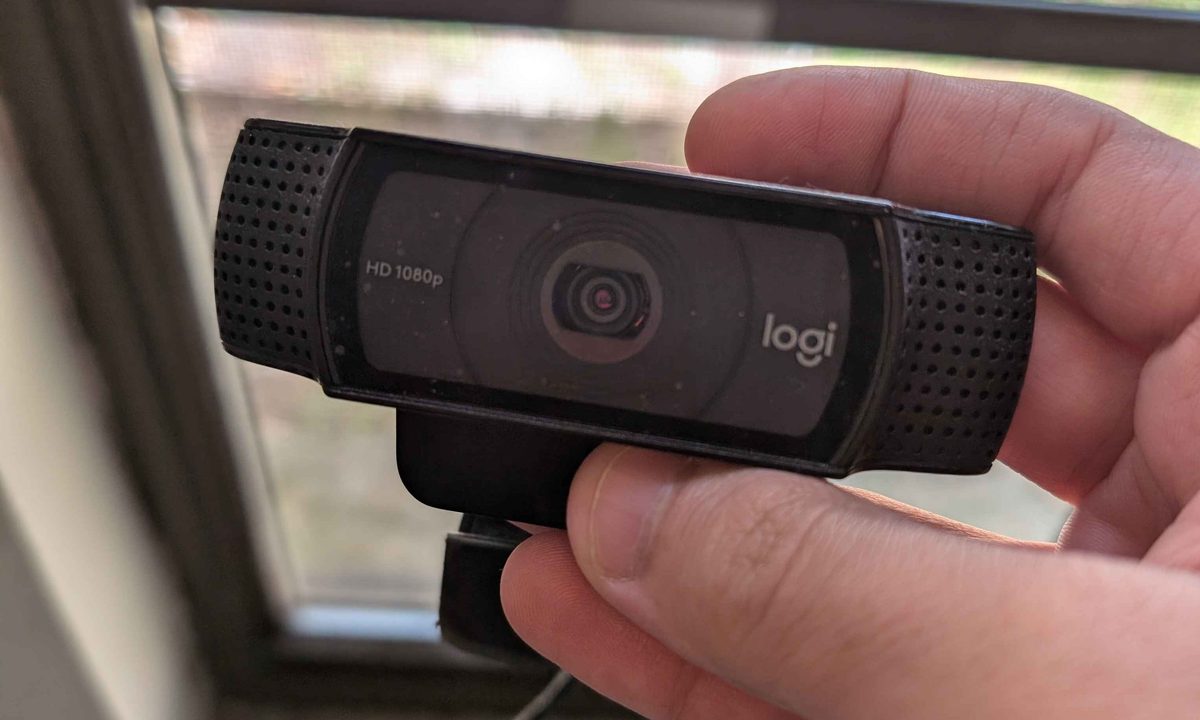
Logitech’s C920 has been a staple for years because it does the basics well and asks very little from its owner. Plug it into a USB-A port and it delivers a consistent 1080p image with autofocus, automatic lighting correction, and dual microphones. Its 78-degree field of view is wide enough for a student sitting at a desk without revealing an entire dorm room behind them.
The fixed 30fps ceiling and absence of HDR make it less suitable for polished video production, and the exact model linked here lacks the privacy shutter included with some C920 variants. Those omissions matter less for a student who primarily needs a dependable camera for Google Meet, Zoom, remote office hours, or the occasional internship interview.