Apple’s iPhone launches have followed the same familiar rhythm for years. Every September, Apple takes the wraps off its newest flagship lineup, and a few months later, a more affordable “e” model joins the party in the spring. It’s a formula that’s been easy to follow, but it may not stay that way for much longer.
Reports have been pointing toward a major shake-up starting with the iPhone 18 lineup, and we’ve covered those rumors over the past few months as well. Rather than unveiling every new iPhone at the same event, Apple is reportedly planning to split its releases across two seasons. If that happens, the standard iPhone could miss its usual September debut for the first time, marking one of the biggest changes to the company’s launch strategy in years.
A foldable iPhone may be changing everything
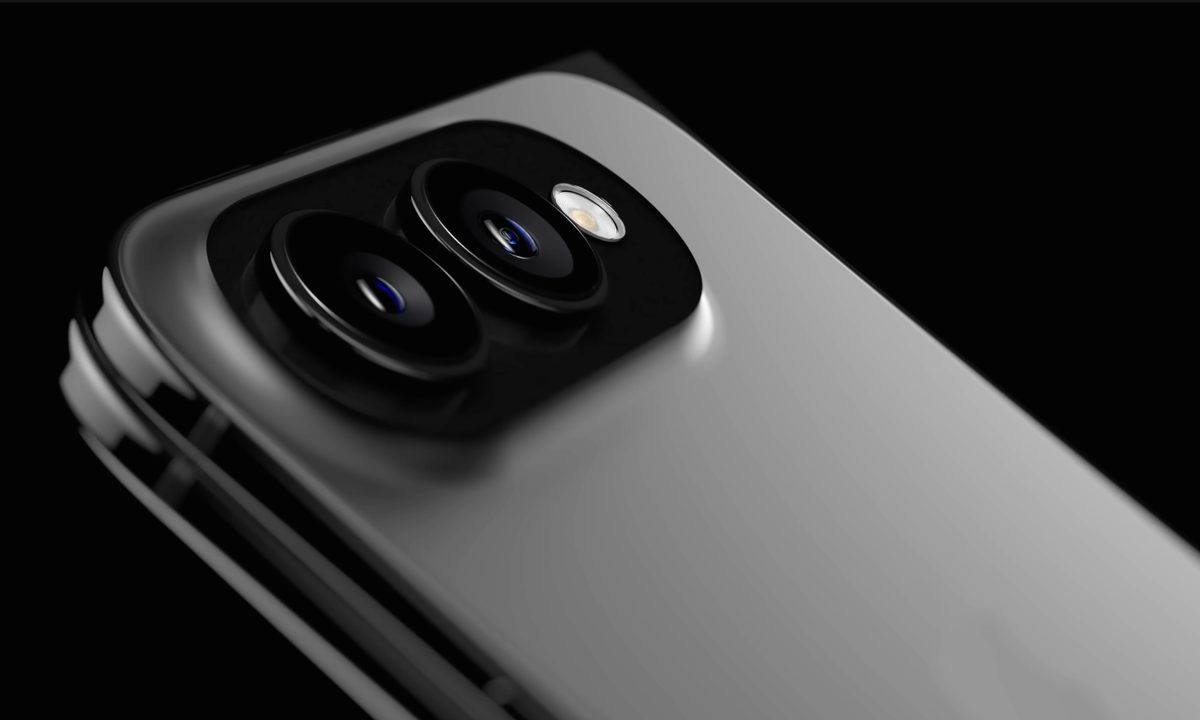
If the reports are accurate, Apple’s fall event in 2027 won’t revolve around four new iPhones anymore. Instead, the stage could belong to the iPhone 18 Pro, iPhone 18 Pro Max, and Apple’s long-rumored foldable iPhone — the Ultra. That might sound unusual at first, but it starts to make sense once you look at Apple’s growing lineup. Between the Pro models, the foldable, the “e” series, and the Air lineup, the company suddenly has far more products competing for attention than it did just a few years ago.
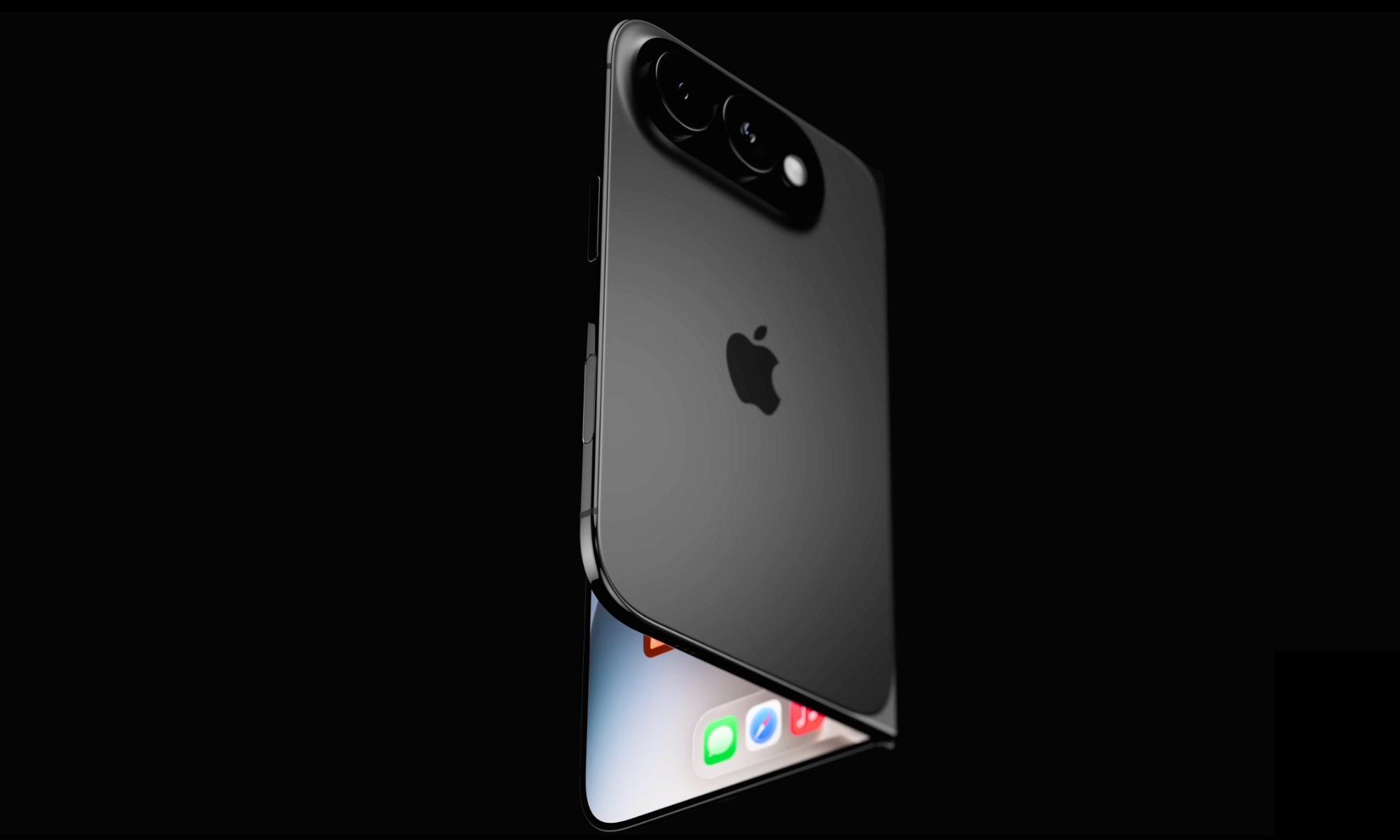
Rather than squeezing everything into one keynote, splitting launches could give each device room to breathe. A foldable iPhone would naturally command most of the headlines, while the regular iPhone risks being overshadowed if it’s announced on the same stage. A spring debut for the standard model would also leave space for a second-generation iPhone Air, assuming Apple continues the lineup.
The timing could work in Apple’s favor
There may also be practical reasons behind the reported shift. Memory prices have been climbing across the industry, and component costs continue to put pressure on smartphone makers. During Apple’s latest earnings call, CEO Tim Cook acknowledged that memory pricing is expected to remain a challenge beyond the current quarter, even as costs for some other components may improve. If those supply pressures begin to ease over the following months, delaying the regular iPhone could give Apple greater flexibility when it comes to pricing and production.

The move could also benefit customers. Instead of waiting nearly a full year after the Pro models launch, buyers who prefer the standard iPhone or whose carrier contracts expire early in the year would have a fresh option arriving just months later. Nothing is official yet, but reports suggest Apple’s next September event will still introduce the iPhone 18 Pro, iPhone 18 Pro Max, and the company’s first foldable iPhone, alongside new Apple Watch models. If that happens, it would mark the beginning of Apple’s biggest iPhone launch shake-up in well over a decade. For consumers, it may take some getting used to. For Apple, though, spreading launches across the calendar could make every iPhone announcement feel like a headline event instead of competing for attention on the same stage.