  1. Home
  2. Phones
  3. News

Galaxy Z Flip 8 official renders reveal Samsung’s familiar foldable in three fresh colors

Add as a preferred source on Google
WhatsApp texting on the cover screen of Samsung Galaxy Z Flip 7.
Nadeem Sarwar / Digital Trends

Samsung’s next foldable just lost another one of its secrets. Android Headlines has shared what appear to be the official renders of the Galaxy Z Flip 8, giving us our best preview yet of Samsung’s upcoming clamshell. If you were expecting a dramatic redesign, though, you may want to temper those expectations.

If it ain’t broke, Samsung isn’t fixing it

The leaked renders show the Galaxy Z Flip 8 in three colors: Cream, Graphite, and Pink. Cream is essentially a clean white finish, Graphite leans toward a muted gray, while Pink adds a brighter option to the lineup. Rumors have also pointed to a Mint version, though that color doesn’t appear in the leaked images and could be a Samsung-exclusive variant.
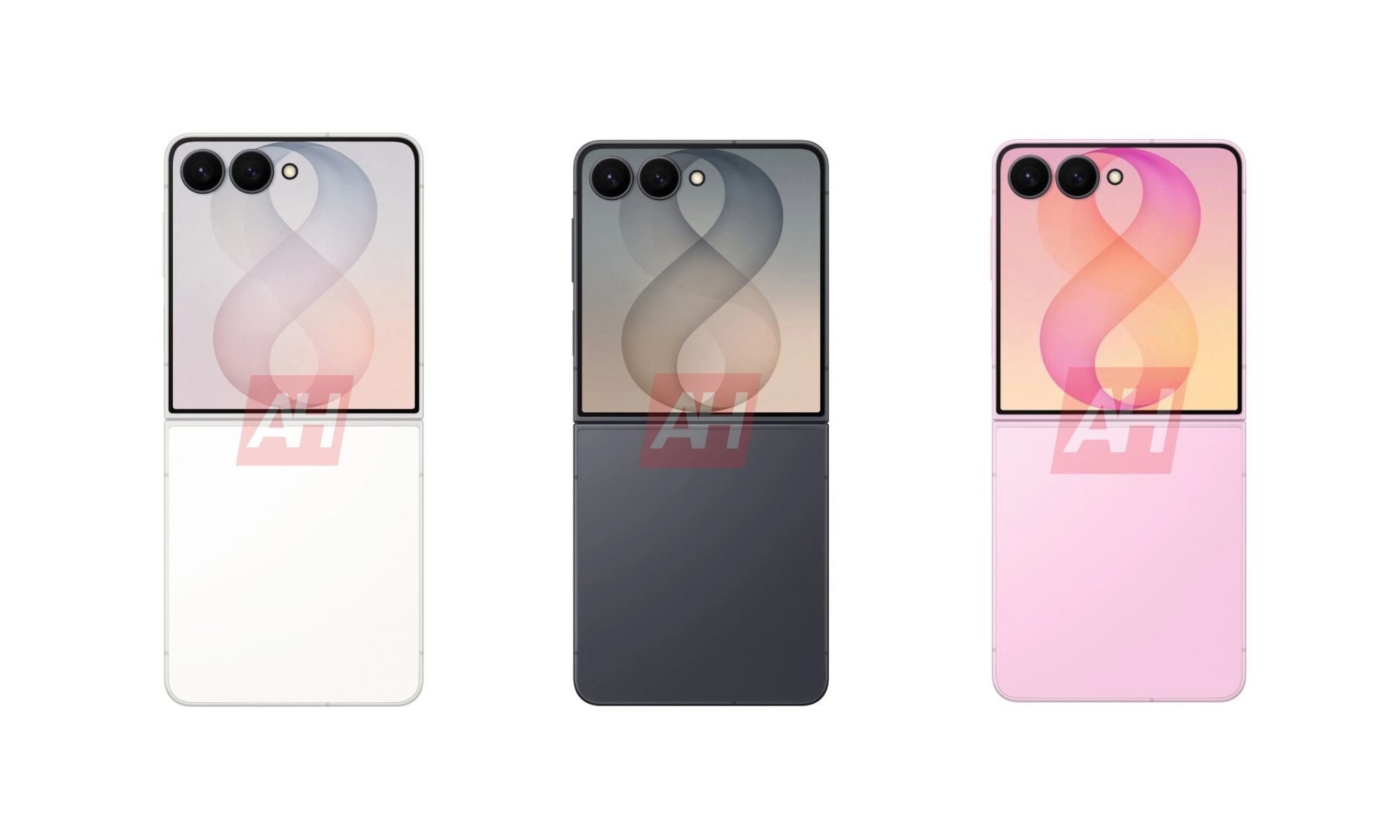
Design-wise, the Flip 8 sticks remarkably close to last year’s formula. The large cover display still wraps around the dual rear cameras, the frame remains flat, and the familiar side-mounted power and volume buttons are right where you’d expect them. Open it up, and you’re greeted by a folding display with slim, even bezels and a centered hole-punch selfie camera. Samsung has steadily refined its flip phone design over the past few generations, and these renders suggest it’s prioritizing polish over reinvention.

The real upgrades may be hiding beneath the surface

The hardware story could end up being more interesting than the exterior. While nothing is official yet, rumors suggest the Galaxy Z Flip 8 could ship with different processors depending on the market, pairing either Samsung’s Exynos 2600 or Qualcomm’s Snapdragon 8 Elite Gen 5 for Galaxy. Other rumored specs include 12GB of RAM, fast UFS storage, a slightly larger 4,300mAh battery, and the same 50-megapixel main camera, along with a 12MP ultrawide sensor. Display sizes are also expected to remain unchanged, with a 6.9-inch foldable AMOLED panel inside and a 4.1-inch cover screen outside, both reportedly supporting a 120Hz refresh rate.

None of those details have been confirmed, but if they’re accurate, Samsung appears to be focusing on refining the overall experience. Fortunately, we won’t have to wait long to find out. Samsung has already confirmed its Unpacked event for July 22, where the Galaxy Z Flip 8 is expected to debut alongside the Galaxy Z Fold 8, Galaxy Z Fold 8 Ultra, Galaxy Watch 9, and Galaxy Watch Ultra 2.

Shimul Sood
Shimul is a contributor at Digital Trends, with over five years of experience in the tech space.
Apple starts testing cheaper Chinese RAM inside iPhones, but your pocket won’t feel the ease
Fourth-largest DRAM producer in the world, on the Pentagon's watchlist, and now quietly inside Apple's test labs.
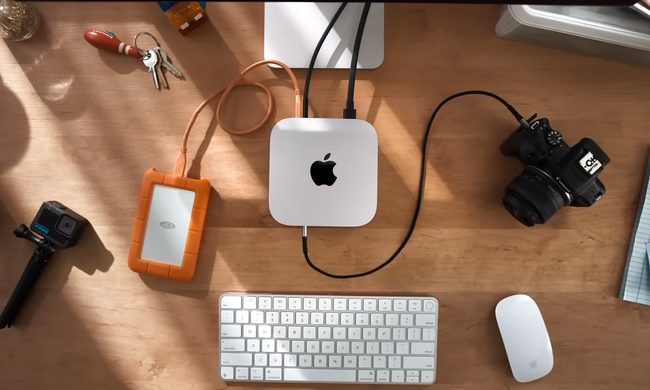
The M4 Mac mini on a desk.

Apple has quietly been testing a new memory supplier for some of its devices sold in China, and the name behind those chips is one that Washington has been keeping a close eye on.

It’s the one that I talked about a few days ago in another story, when rumors about Apple considering a Chinese memory supplier started surfacing after the company announced an ugly price hike for most of its devices (except iPhone and Apple Watch). 

Read more
Android 17’s new video standard fixes one of HDR’s biggest problems
Your HDR videos are about to look right, no matter what screen you use.
Electronics, Mobile Phone, Phone

Android 17 is packed with new features, but one small addition might end up mattering more than the flashy ones. It's called Eclipsa Video, and its whole purpose boils down to this: your HDR videos should finally look the way they're supposed to, regardless of which screen you're staring at.

Why does HDR look different on every screen?

Read more
Your free mobile VPN is a privacy disaster. Go figure
Android's free VPNs are somehow worse than you expected
VPN

The free VPN app you downloaded for your Android phone might be doing more harm than good. A recent large-scale audit of free Android VPN apps has shared some worrisome findings that justify some healthy suspicion. Researchers found these apps leaking traffic, sending identifying information to third parties, and basically the opposite of what a VPN is supposed to do.

The study comes from researchers at the University of Michigan, the University of New Mexico and IIT Delhi. Their findings were presented at the Network and Distributed System Security Symposium 2026 alongside MVPNalyzer, a framework designed to audit mobile VPN apps automatically and at scale.

Read more