  1. Home
  2. Phones
  3. News

Google Health just made Fitbit Air a better fit for Apple Health users

Google Health bridges Apple Health syncing, medical sharing, and fitness tracking fixes.

Add as a preferred source on Google
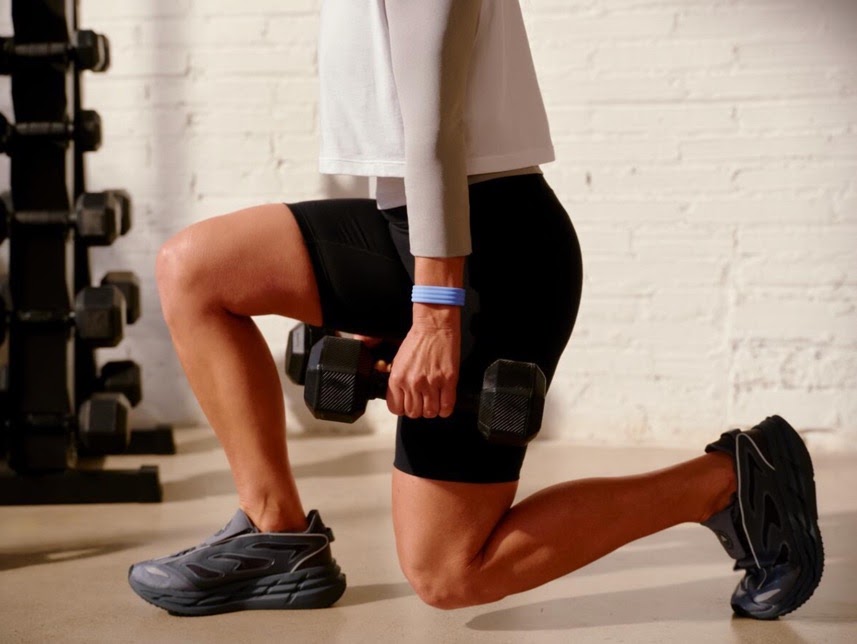
Body Part, Knee, Person
Google

I’ve found it a little absurd that health apps from different companies and service providers refuse to communicate with each other, even when you’re the one who owns the data. Google just took one small yet important step toward fixing it. 

Google Health version 5.05 started rolling out today. And compared to the last several releases, this one’s fairly light, especially since it follows four crucial updates packed into June and July. 

So what’s new in this update?

Given that it’s a Google app, it’s interesting how the latest version is available for iOS users right now, while the Android version will follow shortly after. If you’re wondering why, that’s because the app’s headline change is aimed squarely at iPhone users. 

Recommended Videos

Google Health can now send your health and fitness-related data, such as steps, workouts, vitals, and sleep tracked through a Fitbit Air device directly to Apple Health. This basically bridges the data synchronization gap between Google’s hardware and Apple’s ecosystem. 

Setting it up just takes a moment. Simply head to your profile icon, then Partner Apps, and then Apple Health. There, follow the on-screen instructions to connect the platforms together. If you’ve already linked the two apps, you can tap “Review permissions” to unlock the new cross-platform sharing options.

What else is packed into this release?

US users also get a genuinely useful addition. It’s the ability to generate secure Smart Health Links, which summarize your medical records for sharing with doctors or family members. Some healthcare providers may even accept these links during check-in instead of the paper forms.

You’ll find it under the Health tab, inside the Medical section. There, tapping “Shareable records” will let you pick the parts you want to include and generate a link. Rounding things out, Google fixed some annoying bugs that were affecting VO2Max readings, exercise map rendering, and editing workouts after you’ve already logged them.

To me, this looks like the beginning of something more interesting. Letting Google Health write data back into Apple Health, rather than only pulling from it, suggests Google is finally treating cross-platform data sharing as a real selling point, giving Apple users the flexibility to choose the Fitbit Air as their health tracker rather than sticking to the Apple Watch.

Shikhar Mehrotra
For more than five years, Shikhar has consistently simplified developments in the field of consumer tech and presented them…
T-Mobile’s new financing plan sounds great until you realize what it’s preparing you for
T-Mobile's new financing plan smooths upfront costs while longer payments become the norm.
T-Mobile logo on iPhone

Every time a carrier says "no upfront cost," I brace myself for the asterisk buried in the fine print. T-Mobile's newest 36-month financing plan has one too, though it's dressed up quite nicely. 

T-Mobile, the second largest wireless carrier in the United States, just rolled out a financing option called EIP Flex 36. As the name suggests, it stretches device payments across three full years instead of the usual two. The real hook, however, is what it lets you skip at checkout. 

Read more
The OnePlus 16 could crank things up with a 200MP camera and a massive battery
The purported flagship could bring substantial upgrades across the board.
Person holding OnePlus 15.

Two fresh OnePlus 16 leaks just landed within days of each other. Together, they point to a flagship that could outlast its competition with its massive battery, and one that ships with genuinely better camera hardware than the OnePlus 15. 

So what's happening with the cameras?

Read more
RISION’s new pocket-sized cameras turns your phone into a nitfty thermal imaging tool
This tiny $119 camera gives your phone Predator vision
RISION Magic Pro in action

If you've ever had to look for any sort of heat leaks or hot wires, chances are that you've probably used a dedicated handheld camera. But RISION has just launched a tiny new camera tool to make the job easier (and more pocketable). It reminds me of the InfiRay we checked out a while back.

RISION has introduced the Magic and Magic Pro, two compact thermal cameras that plug directly into supported USB-C phones, tablets, and Windows computers. Each module weighs 24 grams, draws power from the connected device, and requires no separate battery. Support covers compatible iPhones, Android devices, and Windows PCs.

Read more