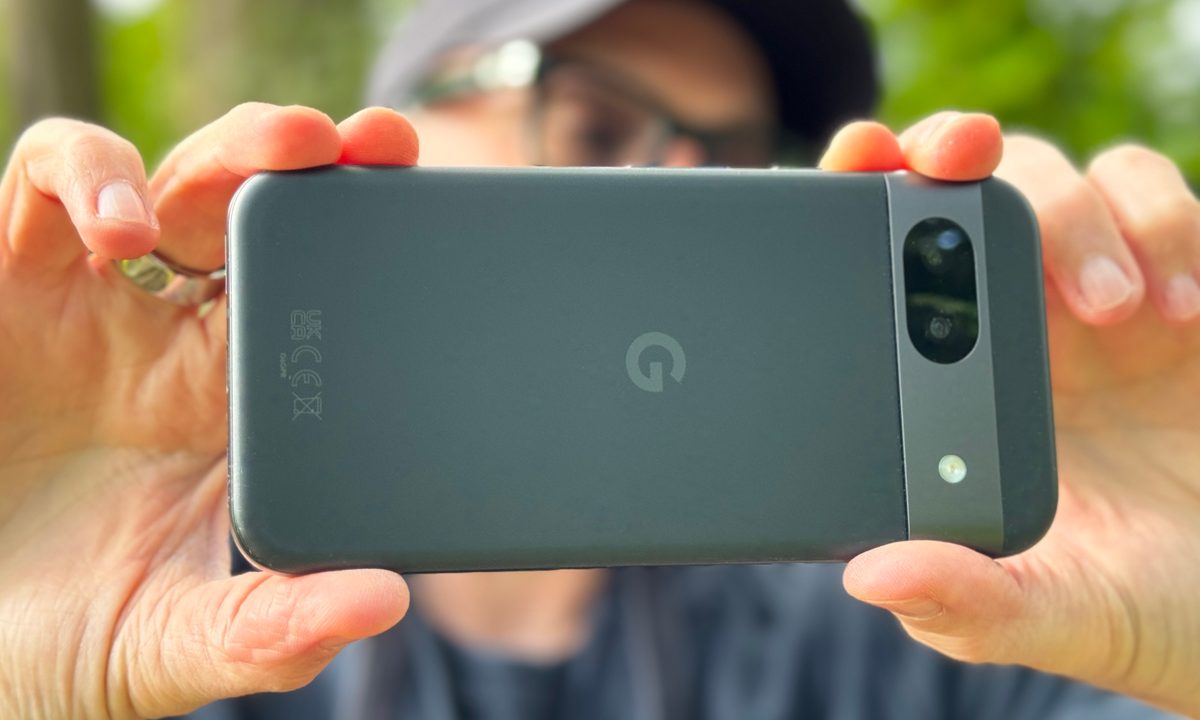
My Pixel 8a launched in 2024 as a $499 midrange phone with seven years of software support, which isn’t usually the kind of device anyone buys expecting years of special treatment. It now sits behind the Pixel 9a and Pixel 10a, yet Google is still adding features through Pixel Drops. The seven-year update promise has so far meant more than fresh security patches and a polite place on a support page.
Apple’s latest AI cutoff makes that feel unusually generous. The standard iPhone 17 launched at $799 and remains part of Apple’s current lineup, but it can’t run the company’s newest on-device AI model. Being new apparently isn’t the same as being new enough.
Apple has started adding fine print to software support
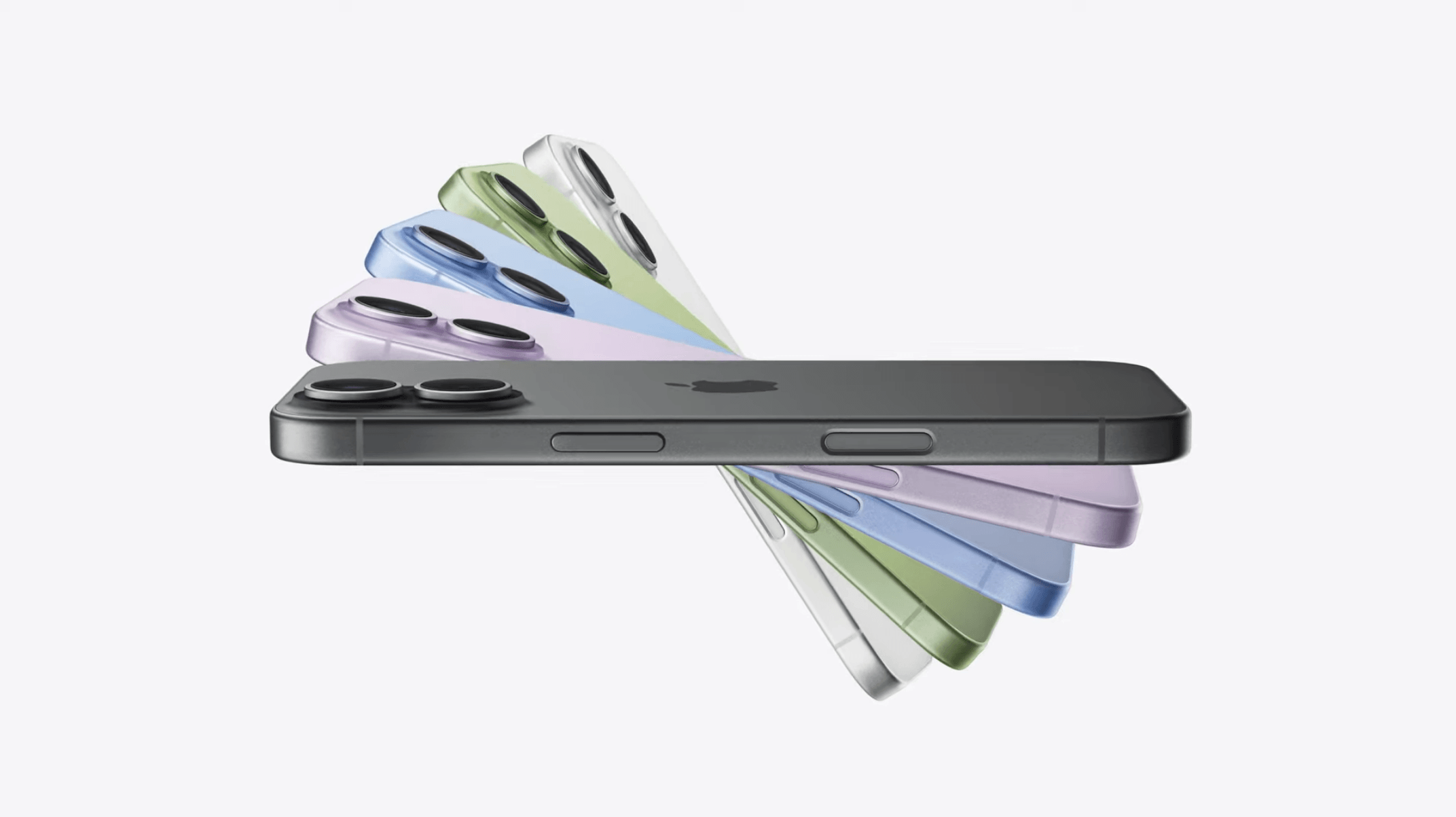
Apple now has several levels of eligibility hiding beneath the same iOS version. An older iPhone can receive iOS 27 without qualifying for Apple Intelligence. An iPhone 15 Pro or anything from the iPhone 16 generation onward can run the broader AI suite, while Apple’s largest on-device model narrows the list again.
That model needs at least 12GB of RAM, limiting it to the iPhone Air, iPhone 17 Pro, and iPhone 17 Pro Max. It enables more control over Siri’s pacing and expressiveness, along with more accurate systemwide dictation. The regular iPhone 17 has 8GB, so a current $799 phone misses features available on the $999 iPhone Air and $1,099 iPhone 17 Pro.

The technical explanation doesn’t change the customer experience. Apple has created another premium tier inside the same phone generation.
Google has been more willing to move the fence
Google has drawn hardware boundaries too. Gemini Nano debuted on the Pixel 8 Pro in December 2023, leaving the regular Pixel 8 and Pixel 8a outside the first rollout.

By June 2024, Google had expanded Gemini Nano to both cheaper phones through a developer option. That update also enabled on-device Recorder summaries, giving my Pixel 8a an AI feature that had launched on Google’s premium model.
The rollout wasn’t exactly elegant. Hiding the setting inside developer options made the expansion feel experimental rather than generous. Google still made the feature work on cheaper hardware only six months later. Apple’s new RAM cutoff looks less inevitable once another phone maker has already shown that some AI boundaries can move.
Google still has gates of its own
Some of Google’s newest tools remain tied to Pixel 10 hardware, while others depend on country, language, subscriptions, or cloud access. Google can also spread features more widely when much of the processing happens on its servers. Apple’s larger local models create a different set of hardware demands.
A long update promise starts feeling incomplete when major features stop following the operating system. As AI becomes a larger part of Android and iOS, eligibility will say more about a phone’s useful life than the version number buried in its settings menu.
My Pixel 8a will eventually miss newer Google tricks. Right now, it still feels like a phone the company is developing for rather than one being kept alive until I take the hint. An OS update can refresh a old phone. What actually matters is whether it’s still invited to the future — or quietly pushed out of it.