If you’ve pre-ordered a Samsung foldable purely for the free storage bump, tomorrow’s Unpacked event might sting a little.
For years, pre-ordering a new Galaxy meant automatically getting double the storage at no additional charge. Buy the 128GB model, walk away with 256GB for the same price. The same applied to the 256GB and 512GB models. However, that might change at the upcoming Galaxy Unpacked event.
So what exactly is Samsung ending here?
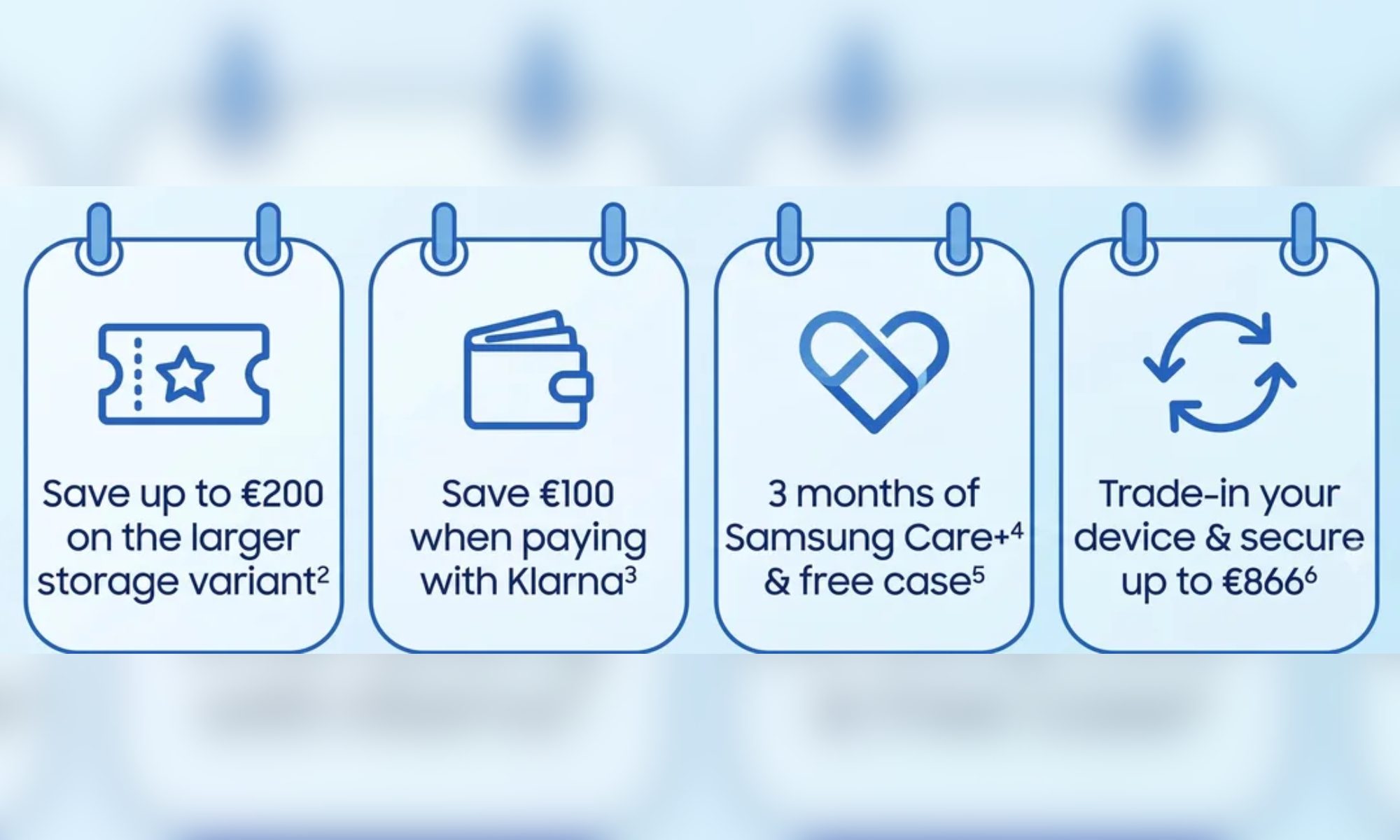
In a newsletter email sent by Samsung Austria, the company has confirmed it’s no longer offering the free storage bump customers are used to getting when they pre-order a Galaxy flagship.
In other words, those pre-ordering the Galaxy Z Fold 8 Ultra, Galaxy Z Fold 8, and Galaxy Z Flip 8 won’t get a free storage upgrade in return for showing interest in the new smartphones and getting their units reserved ahead of the general sales.
This isn’t a surprise exactly; an industry insider called this months ago, but seeing it in writing still feels like the end of an era.
What do you get instead, and is it still worth it?
Rather than free storage, Samsung Austria is going down the discounted upgrade path. Choosing the 512GB model during pre-order gets you a €100 deduction, while jumping to 1TB knocks €200 off.
Based on leaked European pricing, that works out to roughly half of what the storage upgrade will cost once the pre-order window closes. So it’s not nothing, but it’s a real step down from getting double the space for free.
Samsung hasn’t confirmed whether this exact structure applies outside Austria. However, given how much worse the global memory crisis is, and how companies have been passing on the additional cost to consumers (even Apple), I can’t say with absolute certainty that Samsung US won’t follow the same approach.
What could Samsung do in the US?
Samsung has two ways to deal with this. First, it can absorb the rising bill of materials by reducing its effective margin on the products and retain the free storage-upgrade offer for its buyers in the US. However, it could meet the customers in the middle and offer them discounts on higher storage tiers.
Until official US pre-order terms are announced, these two paths reflect the balancing act between protecting margins and preserving buyer incentives.