I have a soft spot for phone brands that made Android feel less inevitable. Meizu is one example, but there were plenty of smaller names with their own strange little gravity, from Fairphone’s repair-first stubbornness to Unihertz’s tiny oddballs, Shiftphone’s modular ideals, Murena’s de-Googled pitch, and Teracube’s attempt to make phone ownership feel less disposable. They weren’t always perfect, and some were never built to go mainstream, but they made smartphones feel alive around the edges.
Now the AI phone push is arriving, and it already looks less like a creative explosion than a cover charge. Meizu said in 2024 that it would end new traditional smartphone projects and focus on AI-enabled devices, which sounds futuristic until it starts feeling like a warning label.
The rich end gets to define the future
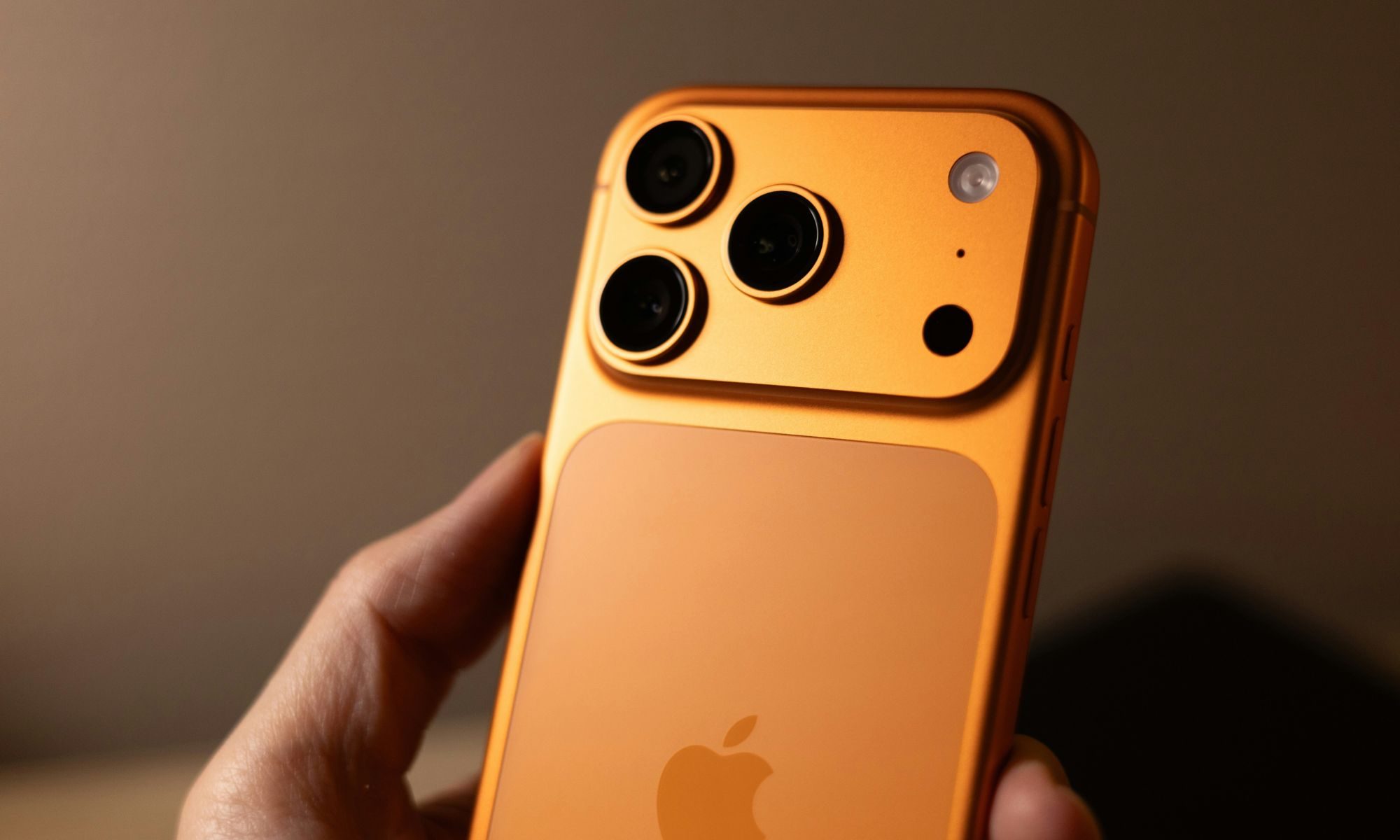
Apple doesn’t need to own the entire phone industry to bend it toward Cupertino. WSJ notes that Apple represents about one in five of the roughly 1.3 billion smartphones shipped last year, which puts it near Samsung and Xiaomi on raw volume. The real control starts higher up the price ladder.

In phones priced at $600 or more, Apple controls more than two-thirds of the segment. At $1,000 or more, it takes more than three-quarters. That would already make the high-end segment lopsided, but it looks harsher when overall smartphone shipments are forecast to fall while premium phones are still expected to grow.
The safest money is gathering around the richest buyers, the strongest ecosystems, and the companies that can raise prices without setting their customer base on fire.
AI raises the cover charge
AI makes that imbalance harder to ignore because it raises the price of being taken seriously. A smaller phone brand can still buy a decent panel, tune a respectable camera, ship a fast charger, and build something with more personality than another glass rectangle wearing a camera island like a backpack.
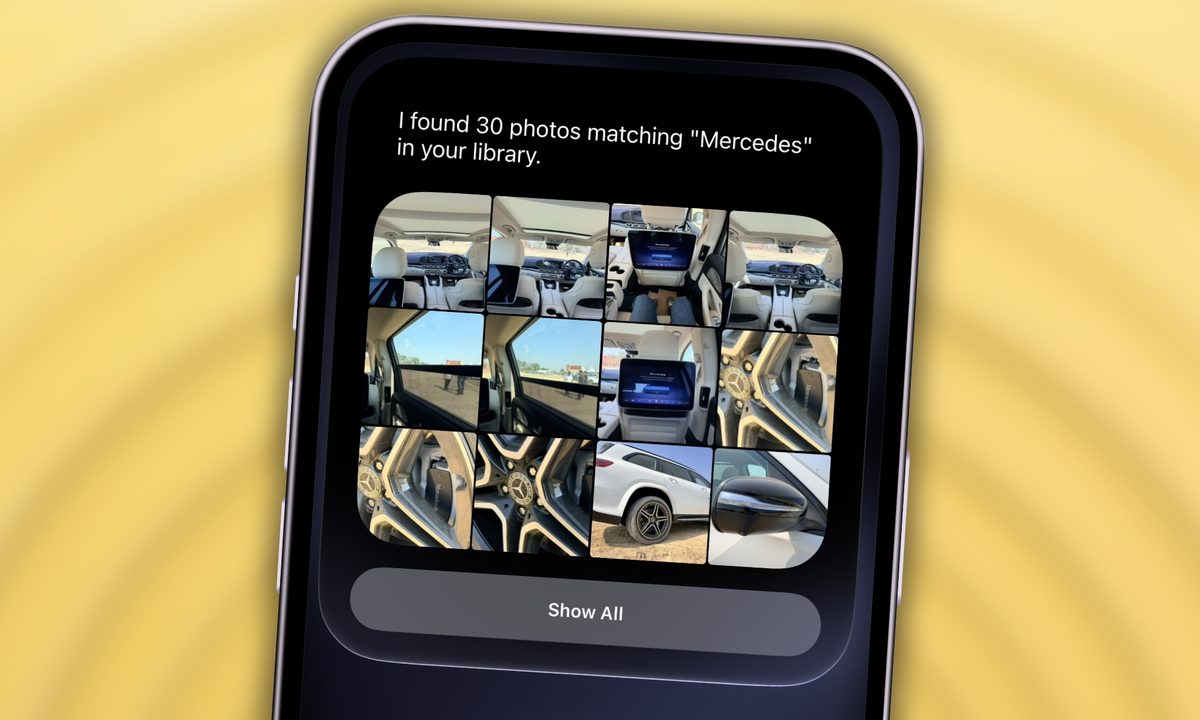
The next round asks for more. AI phones need newer chips, more memory, cloud infrastructure, model partnerships, longer software support, and a marketing budget big enough to sell people on the assistant they ignored last year. Counterpoint expects GenAI-capable phones to reach 45% of global shipments in 2026, up from 36% in 2025, which makes AI feel less like a bonus feature and more like the next entry fee.
The squeeze isn’t only happening in software. Reuters reported that IDC expects the smartphone market to see its biggest-ever decline in 2026, partly because AI infrastructure demand is helping drive up memory costs. Low-end Android makers are expected to take the hardest hit, while premium brands are better positioned to absorb the shock or pass it along.
The weird brands are running out of room
Some smaller phone brands were niche for good reasons. Some made genuinely bad software. Some treated updates like seasonal gossip. The useful ones still kept Android from feeling pre-chewed. The Android world was already watching Oppo, Realme, Vivo, and OnePlus blur into each other before AI became the new seriousness test.
Meizu isn’t the whole story, but it’s a painfully tidy example. A brand that once helped make Android feel less uniform now has to explain its future through AI roadmaps and ecosystem language, because that’s where the industry has decided seriousness lives.
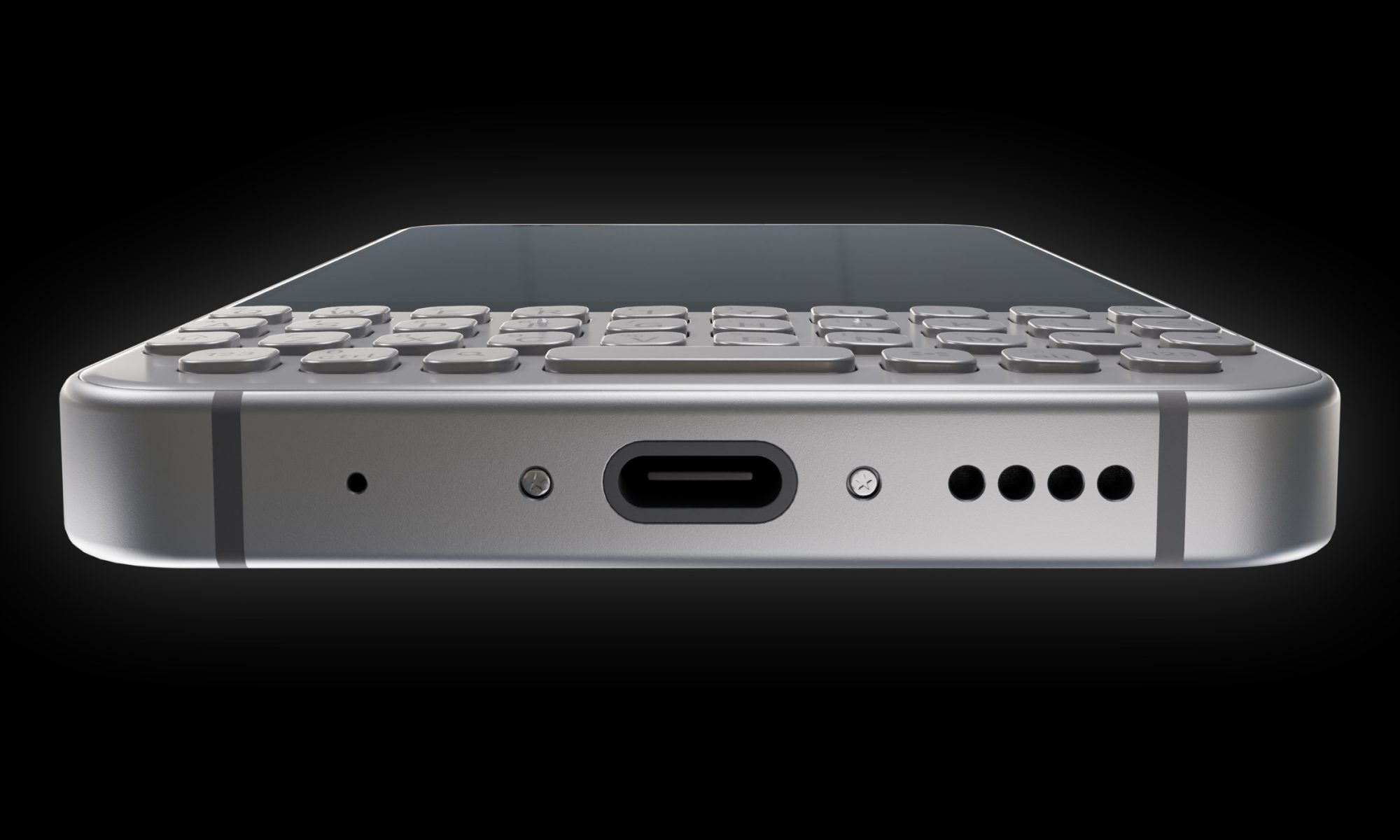
That’s the part I don’t want to lose in this next phone cycle. Odd little brands shouldn’t have to beat Apple to justify existing. Sometimes the useful thing is simply having a phone industry where good, strange devices can hang around long enough to make the giants look a little less inevitable.
AI is being sold as the thing that will make phones more personal. The bleak joke is that the companies most likely to survive the shift are the ones large enough to make every phone feel a little more the same.