  1. Home
  2. Phones
  3. News

Digital Trends may earn a commission when you buy through links on our site. Why trust us?

I found an iPhone app that builds a skincare routine from a 30-second face scan

A 30-second face scan is all this iPhone app needs to suggest a skincare routine

Add as a preferred source on Google
Electronics, Phone, Mobile Phone
Esat / Sharp

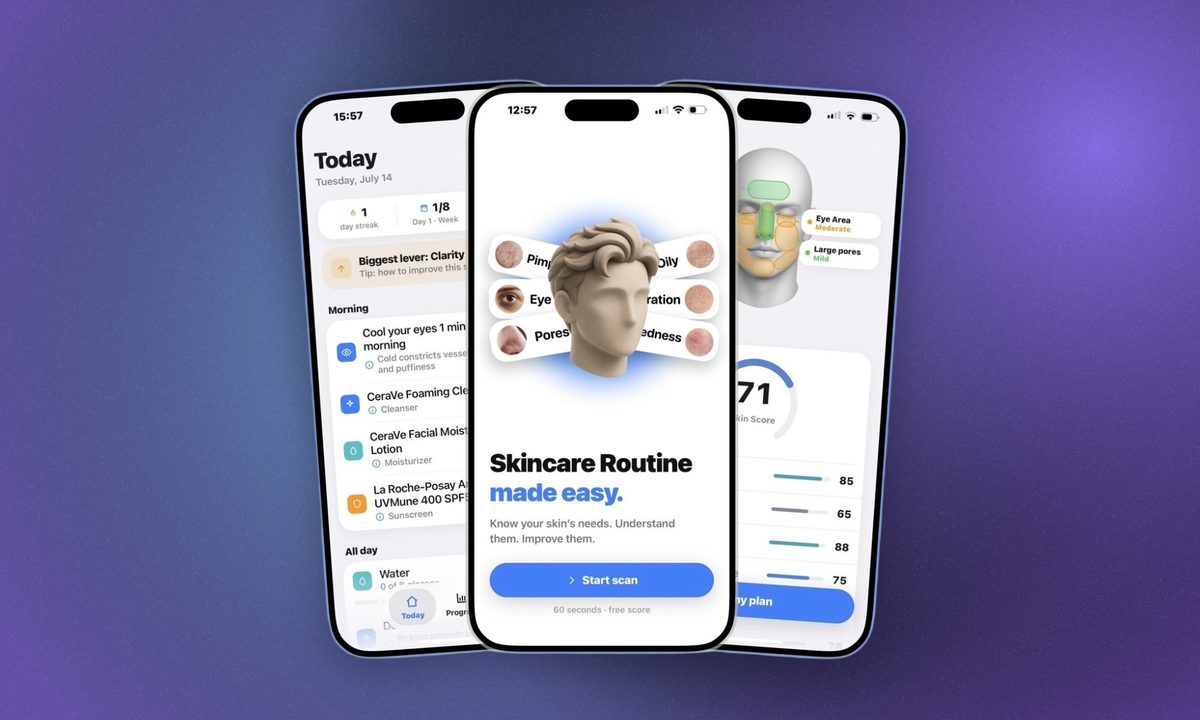
Indie developers have been behind some unusually specific apps across Apple’s platforms lately. Glaze can turn every Mac window into a CRT fever dream, while Screen Test can help expose monitor defects before the return window closes. I recently came across another one called Sharp, an iPhone app that uses a face scan to build and adjust a skincare routine.

Sharp was created by Esat, a student and solo developer from Germany who says his own skin problems inspired the project. The app is primarily aimed at people who want to start a routine but have little idea which products to use or what areas of their skin need attention.

A 30-second scan produces six skin scores

The process begins with a guided scan that takes around 30 seconds. Sharp checks the lighting, tracks the position of your head, and automatically captures several angles as you slowly turn your face. Once the scan is complete, the app produces an overall Skin Score out of 100. It also breaks the result down across six categories covering clarity, oiliness, redness, pores and texture, the eye area, and hydration.

Sharp uses these results to create short morning and evening routines. Each step includes an explanation, while product recommendations are matched to the user’s scores and stated budget. The app suggests individual products rather than broad categories such as cleanser or moisturizer.

Weekly scans show whether anything has changed

The more interesting feature is the weekly re-scan. Sharp asks users to repeat the process under similar lighting and positioning conditions, allowing it to compare the latest scores against previous results. The app can then update the routine and product suggestions based on any changes it detects. Users can also follow an eight-week progress graph, compare before-and-after photos, maintain a streak, and receive routine reminders through the Lock Screen and Dynamic Island.
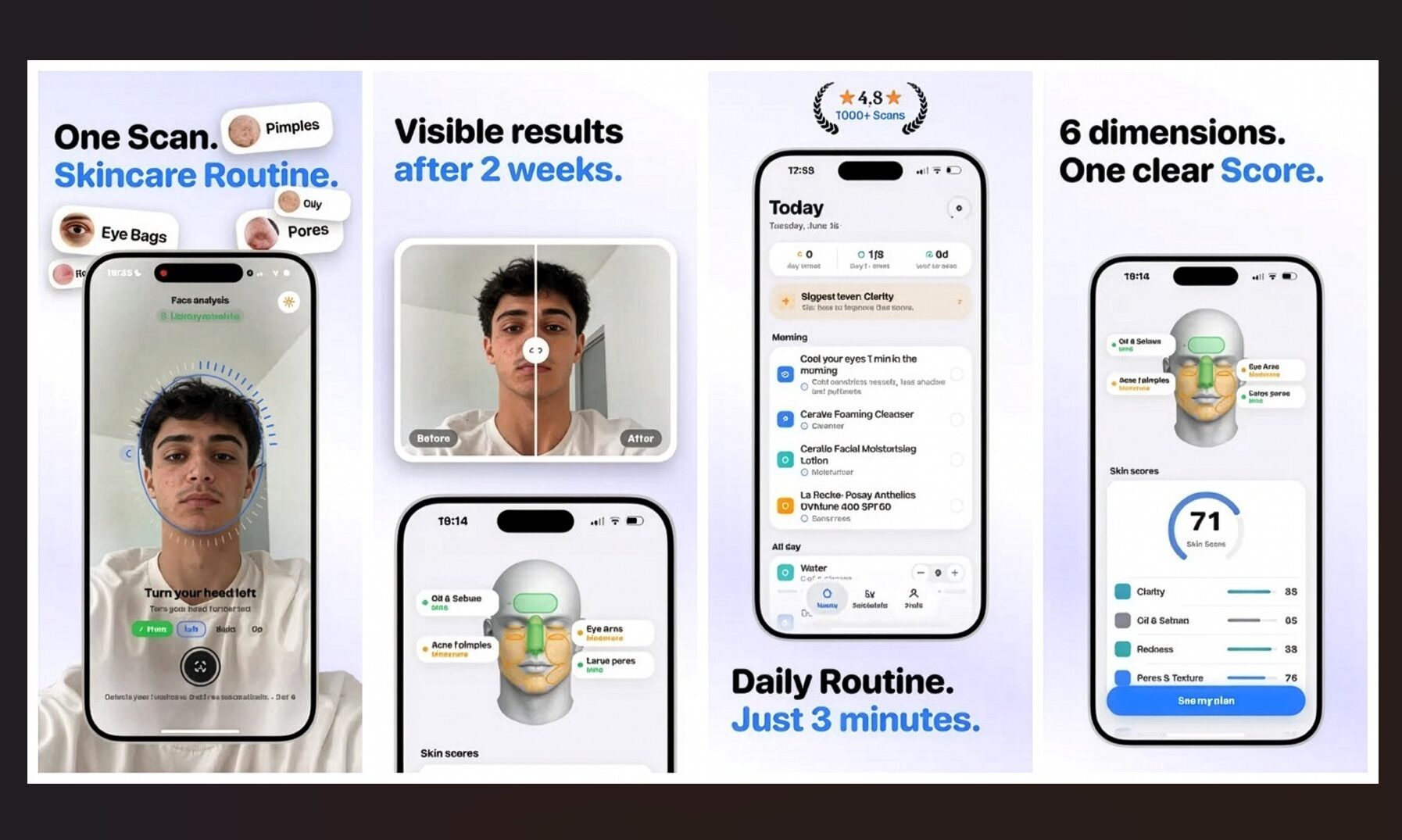
Sharp makes clear that its results are cosmetic recommendations rather than medical advice. According to its privacy policy, face images are temporarily uploaded and processed using Google Gemini or OpenAI. The developer says the images are removed from Sharp’s servers after analysis.

Recommended Videos

The app is free to download, and the initial scan and Skin Score do not require payment. Premium access costs $4.99 per week, $39.99 per year with a three-day free trial, or $79.99 for lifetime access.

Sudhanshu Kumar Mangalam
I’ve got about 4 years of experience, mostly covering gaming, PC hardware, and smartphones. In my free time, I like…
Vibecoded apps are flooding Apple’s App Store, and users are getting sick of them
App Store submissions have doubled this year as AI tools make it easier than ever to build an app, but downloads haven't kept pace, and for good reason.
Apple App Store homepage on an iPhone

Apple's App Store is in the middle of its steepest submission surge in years. Developers submitted nearly 600,000 new apps last year, marking a 30 percent jump over the previous year. That number has already doubled to roughly 560,000 new apps in just the first six months of this year, according to estimates from analytics firm Sensor Tower cited by the New York Times. The reason behind the spike is vibecoding, which allows people with no prior development experience to create new apps using AI tools.

A familiar boom, with a twist

Read more
Google Photos adds a quick toggle between AI and classic search
Classic search is finally easier to reach for people who enabled Ask Photos
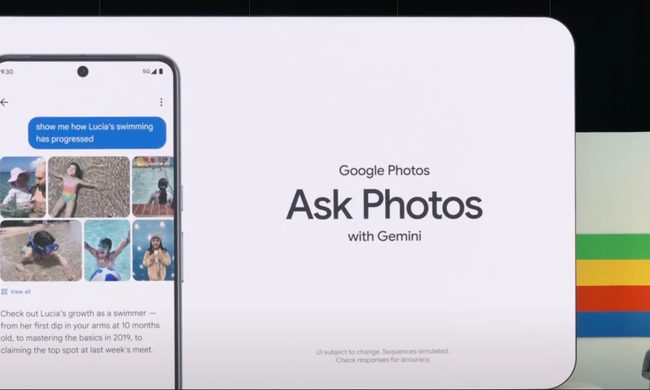
Google's Ask Photos debut.

Google Photos is giving users an easier way to leave its Gemini-powered search when a simple keyword would do. A new toggle now sits at the top of the results page, letting users switch between Ask Photos and classic search without digging through settings.

The change appears to address feedback from people who opted into Ask Photos but wanted a quicker way to return to classic search when Gemini was slower or less useful for a straightforward query.

Read more
Snapseed Camera now lets Android users save original photos and add geotags
Google updates Snapseed Camera with geotag support and non-destructive photo editing
Snapseed App

Google appears to be quietly turning Snapseed into something more than just a photo editing app. Over the past few weeks, the company has been steadily adding new capabilities to Snapseed Camera, its standalone camera app for Android. The latest update introduces two practical features that many smartphone users have come to expect from modern camera apps: the ability to save an untouched copy of every image for future editing and support for embedding location data directly into photos.

Neither feature is flashy, but together they make Snapseed Camera a more capable photography tool, particularly for users who like experimenting with filters without permanently altering their original shots. According to a report by 9to5Google, the features are rolling out with Snapseed Camera version 4.1.1.x on Android.

Read more