  1. Home
  2. Phones
  3. News

WhatsApp is creating its own cloud backup alternative for iPhone users

WhatsApp is building a backup service with 2GB free and paid plans up to 1TB.

Add as a preferred source on Google
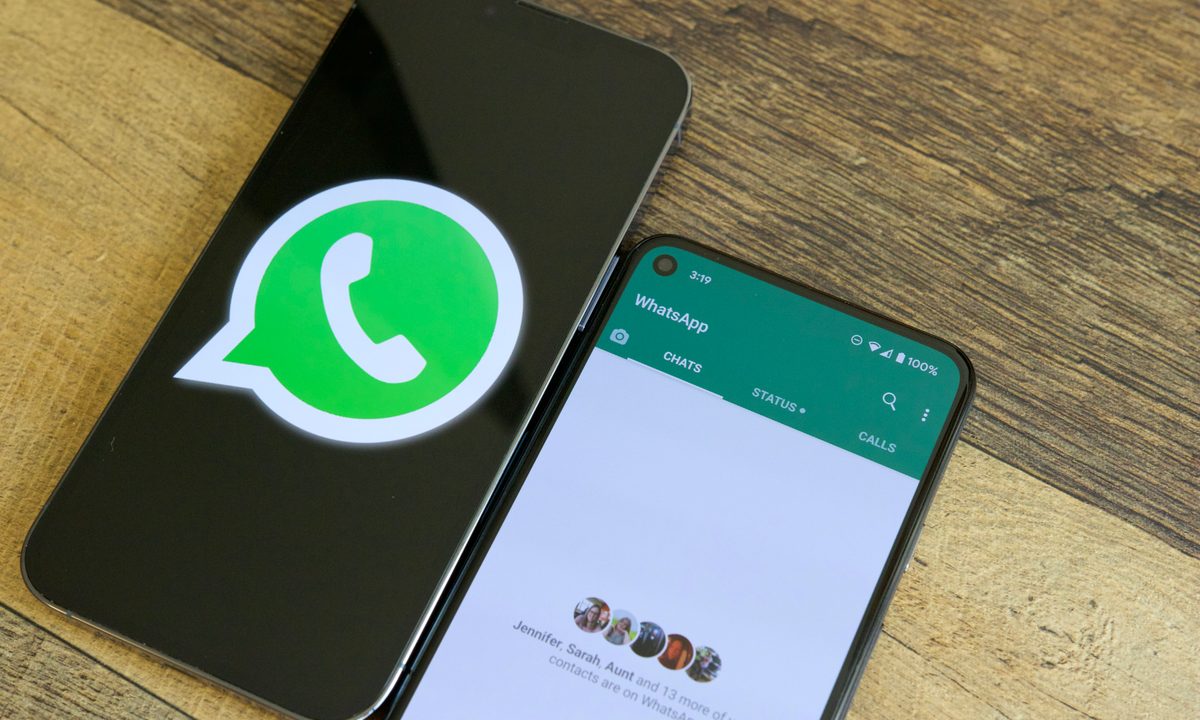
Two phones on a table next to each other. One is showing the WhatsApp logo, and the other is running the WhatsApp application.
Joe Maring / Digital Trends

If your iCloud storage is constantly running low, WhatsApp might have a fix coming. Code spotted in the WhatsApp beta for iOS by WABetaInfo reveals that Meta is building its own first-party cloud backup service for iPhone users.

For the first time, you would be able to store your WhatsApp chat history on WhatsApp’s own servers instead of iCloud. The feature is still in development and not yet available to beta testers, with no official release date announced.

Will WhatsApp’s backup service be free?
Once the feature launches, you will be able to choose your preferred backup provider directly from the chat backup settings inside WhatsApp. iCloud stays the default, so nothing changes if you ignore it.

Recommended Videos

WhatsApp will offer 2GB of free storage to start. For heavier users, a 50GB paid plan is reportedly priced at around $0.99 per month, matching Apple’s entry-level iCloud plan. A 1TB option is also being explored, though all pricing and tiers are still preliminary and could change.

The practical benefit is real since Apple only gives you 5GB of free iCloud storage for everything, and WhatsApp backups, especially for people who share a lot of media, can quietly eat through most of it.

WhatsApp’s backup service will be more private than iCloud

One meaningful difference between iCloud and WhatsApp’s own service is how encryption works. On iCloud, end-to-end encryption for WhatsApp backups is optional and has to be switched on manually. On WhatsApp’s servers, it would be mandatory, with no way to turn it off, and not even Meta could access your backup.
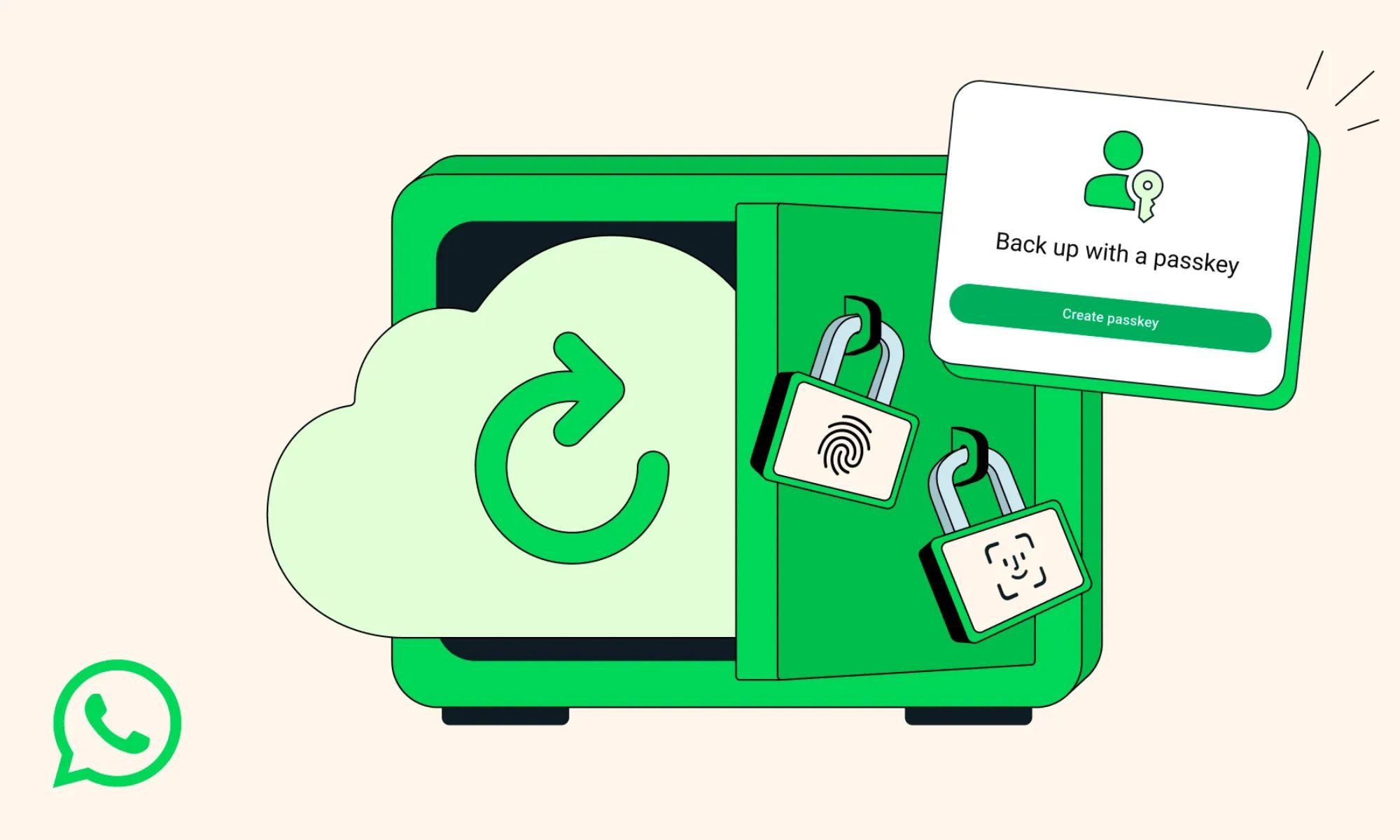
WhatsApp recommends securing it with a passkey, though a regular password or a 64-digit key would also work. Another potential upside is cross-platform restores, since WhatsApp controlling its own backup infrastructure could eventually make switching from iPhone to Android without losing your chat history a real possibility.

Not everyone is convinced, though. Reaction online has been skeptical, with many users pointing out that trusting Meta with your chat backups raises its own privacy concerns regardless of the encryption promises.

Manisha Priyadarshini
Manisha Priyadarshini is a tech and entertainment writer with over nine years of editorial experience.
Your iPhone could soon flag malicious iMessages before they do any damage
iOS 26.6 will warn you when an iMessage looks suspicious and let you report it to Apple.
imessage-alerts

Apple appears to be adding another layer of protection to iMessage against scams and cyberattacks. Code discovered in iOS 26.6 beta 5 reveals a feature called Malicious Message Detected.

It pops up a warning when your iPhone identifies a potentially dangerous incoming message. The feature was first spotted by X user, who shared a mockup of the alert.

Read more
Samsung Health threatens to delete your data if you opt out of AI training
Samsung Health will delete your synced data if you refuse to let it train AI with your health records.
Samsung Health app home screen

If you use Samsung Health to track your sleep, workouts, or medications, you may have noticed a new consent toggle pop up in the app this week. Samsung is now asking users to allow their personal health data to be used for AI training and modeling. The catch is hard to miss: say no, and Samsung will stop syncing your health data and delete all data stored in your account (via Cybernews).

https://twitter.com/Nithinlogs/status/2076900271301722313

Read more
Firefox is doubling its update pace, and that’s good news for your security
Mozilla Firefox

Mozilla is about to speed up one of the most important parts of using Firefox: security updates. If you're used to seeing a new Firefox update land about once a month, that's about to change. Beginning in September, Mozilla plans to switch to a two-week release schedule for Firefox on desktop and Android, meaning users should start getting updates twice as often. That might sound like more frequent downloads, but it's really about closing security gaps sooner.

Why waiting a month for security fixes no longer cuts it

Read more