1. Home
  2. Wearables
  3. News

Monako Glass turns smart glasses into the strangest new coding workstation yet

Monako is pitching Linux smart glasses for developers who want AI coding agents nearby, but the real test is whether this becomes useful work instead of wearable theater.

Add as a preferred source on Google
Accessories, Glasses, Goggles
Monako

Monako Glass combines Linux, a waveguide display, camera, speakers, and AI coding-agent connections in a 48-gram frame. The company is also leaning hard on input, with a bone conduction microphone and a gesture system called Vision Engine.

The tool list reaches beyond coding. Monako names Claude Code, Codex, Unreal Engine, Blender, After Effects, and other apps, which makes the glasses sound more like a wearable command layer for technical and creative work.

Introducing Monako Glass 👓

The world’s first wearable Linux computer in glasses form.
Run Claude Code, Codex, and any coding agent — anywhere. pic.twitter.com/DFDKuP6xux

— Candy樂兒 (@candyyueliu) June 3, 2026

The buying picture is still incomplete. Monako has shown a $19 reservation option, but the full price, shipping date, battery life, chip, memory, storage, and supported regions are still not clearly posted.

Can coding glasses handle real tasks

The best case for Monako Glass starts with quick control over agent-driven work. A developer could check progress, approve a step, send a prompt, or review an output without returning to a full desk setup.

That workflow fits the hardware better than laptop replacement talk. Monako says the microphone captures nasal vibrations to handle noisy environments, while Vision Engine turns small gestures into digital commands.

Recommended Videos

Those claims need hands-on proof. Battery life decides whether the glasses last beyond quick checks. Display quality decides whether agent output is readable. Input will need to prove its speed, accuracy, and app support in real use.

Could this be an agent terminal

Monako Glass sounds most believable as a wearable terminal for AI coding agents. That role is narrower than a standalone workstation, but it’s easier to take seriously.

Monako calls its operating system MonoOS, a Linux-based smart glasses system with a Lua application layer and embedded Rive animation runtime. The company says agents can generate Lua apps on the fly without compilation, a bold claim for hardware meant to sit on your face.

The more grounded promise is interop. Monako describes workflows spanning the glasses, cloud sandboxes, and a local Mac or PC, which points to a front end for work happening across several places.

Will Monako prove the concept

Monako now needs to show how all of this works outside polished product slides. The key question is how tasks are divided among the glasses, cloud sandboxes, and a local computer.

Privacy needs a clear answer too. A wearable camera changes expectations, especially for hardware meant to leave the desk. Monako hasn’t clearly explained camera controls or visible indicators.

The smart move is to wait for full specs, availability, and hands-on testing before treating Monako Glass as the future of coding. If it makes coding agents easier to supervise, this strange workstation idea could have a real role.

Paulo Vargas
Paulo Vargas is an English major turned reporter turned technical writer, with a career that has always circled back to…
A smart glasses detector is now among the top paid apps on Apple’s App Store
Smart glasses have become so unsettling that people are buying proximity alerts
A Ray-Ban Meta Glasses wearer talks to another person using live translation.

An iPhone app designed to alert users when smart glasses may be nearby has climbed to No. 3 on the US paid App Store chart. Its name, AntiZuck Smart Glasses Scanner, leaves little doubt about how the developer feels about Meta’s camera-equipped glasses.

The app costs $2.99 and scans for Bluetooth signals linked to smart glasses. It can spot Meta Ray-Bans, Snap Spectacles, Amazon Echo Frames, and RayNeo glasses, then sends an alert when it believes one is nearby.

Read more
DuckDuckGo’s new smart glasses come with zero AI and 100% shade
No camera, no mic, no AI, just glass that blocks the sun the way sunglasses always have.
DuckDuckGo smart glasses

Smart glasses have quietly morphed into tiny surveillance cameras that people willingly wear on their faces. Every other week, a new pair promises to record video, listen to conversations, and feed it to an AI model somewhere in the cloud. They are causing such havoc that they have earned a new name: “pervert glasses.”

Not only are these glasses a privacy nightmare for people being recorded but also for people using them. A recent investigation by Swedish newspaper Svenska Dagbladet showed that Meta Ray-Ban glasses were uploading intimate and private recordings for training its AI. 

Read more
Apple’s new Upgrade plan won’t punish missed payments with restrictions, but three strikes could end your lease
Restricted Mode remains in iOS 27 beta, but Apple says it won’t be used for Upgrade payment defaults
Computer, Electronics, Laptop

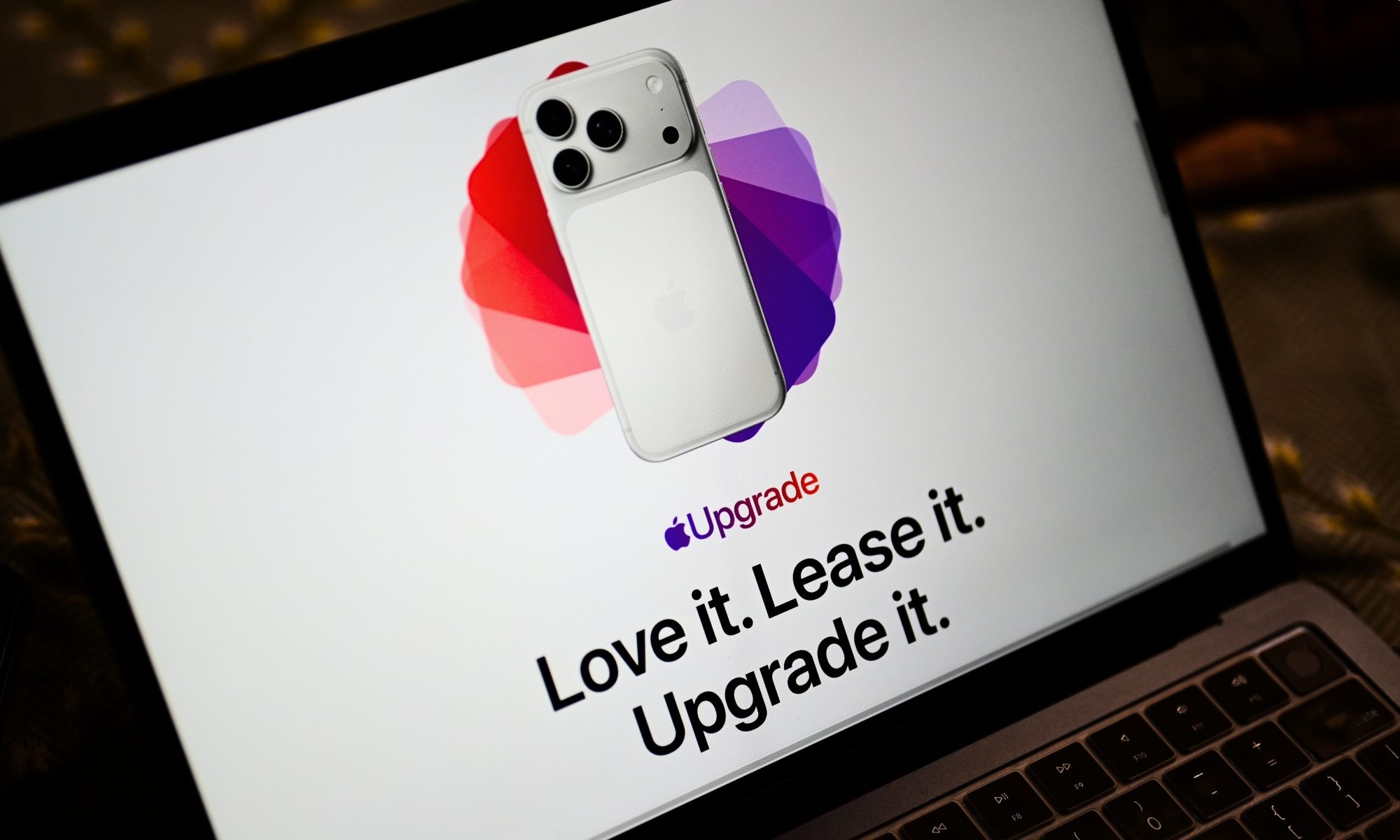
Apple recently announced its new Apple Upgrade leasing plan, which lets customers pay monthly for an iPhone, iPad, Mac, or Apple Watch through Klarna. The program replaces the long-running iPhone Upgrade Program and expands the option beyond phones for the first time.

However, code discovered by 9to5Mac in an iOS 27 beta raised concerns about what could happen if someone fell behind on payments. The new App Managed Features system appeared capable of checking a customer’s payment status and placing a financed device into Restricted Mode.

Read more