1. Home
  2. Wearables
  3. News

Samsung Display just showed why XR’s future may come down to better tiny screens

Its AWE USA lineup connects high-brightness OLEDoS, MR demos, and glasses-free 3D concepts into one bigger bet.

Add as a preferred source on Google
Galaxy XR
Samsung

Samsung Display is using AWE 2026 to push RGB OLEDoS as a core building block for the next wave of XR hardware. The showcase centers on displays designed for mixed reality headsets and augmented reality smart glasses, where brightness, size, and efficiency all collide.

The standout spec is a 1.3-inch RGB OLEDoS panel rated at 40,000 nits. Samsung Display is presenting it in a dark-room Big Dipper installation, where only two of seven panels use the ultra-bright tech to make the brightness and color gap obvious. It’s a booth demo with a sharper message underneath.

Why brightness decides the experience

XR displays have a brutal job. They need to stay vivid and precise inside hardware that’s also fighting optics, battery life, heat, and weight.

Samsung Display’s 40,000-nit panel targets that pressure point directly. In a headset or glasses-style device, the display can’t simply be big and bright. It has to push strong visuals through compact optical systems without turning the product into something bulky.

Recommended Videos

The company’s smaller 0.62-inch RGB OLEDoS panel points in the same direction for smart glasses. Samsung Display is using it in a prototype that can show AR information such as translation, navigation, and weather over a Long Beach backdrop.

Can RGB OLEDoS shrink the hardware

Samsung Display is also making a production argument. RGB OLEDoS builds OLED on a wafer and uses a single-panel structure, which the company says can make manufacturing less complex than some other microdisplay approaches.

That could help smart glasses makers chase thinner designs, since optical complexity is one of the barriers between impressive demos and wearable products. Samsung Display also says RGB OLEDoS skips the color filter used in white OLEDoS, helping light efficiency, lifespan, brightness, and color performance.

The less flashy engineering may carry the most weight. XR gets easier to wear when the display stack gets simpler.

What comes after the booth

Samsung Display is widening the showcase beyond headset and glasses panels. It’s also presenting a stretchable display that can rise from a flat surface, plus a Light Field Display that creates 3D-like visuals without glasses or a headset.

Those demos make the company’s ambition clear, but they leave the commercial picture unfinished. Samsung Display hasn’t provided product timelines, customer names, pricing, or availability details for the technologies in this showcase.

AWE USA is a flex, not a launch. The real test is whether Samsung Display can turn these RGB OLEDoS panels into production-ready parts for headset and smart-glasses makers trying to make XR feel less awkward.

Paulo Vargas
Paulo Vargas is an English major turned reporter turned technical writer, with a career that has always circled back to…
A smart glasses detector is now among the top paid apps on Apple’s App Store
Smart glasses have become so unsettling that people are buying proximity alerts
A Ray-Ban Meta Glasses wearer talks to another person using live translation.

An iPhone app designed to alert users when smart glasses may be nearby has climbed to No. 3 on the US paid App Store chart. Its name, AntiZuck Smart Glasses Scanner, leaves little doubt about how the developer feels about Meta’s camera-equipped glasses.

The app costs $2.99 and scans for Bluetooth signals linked to smart glasses. It can spot Meta Ray-Bans, Snap Spectacles, Amazon Echo Frames, and RayNeo glasses, then sends an alert when it believes one is nearby.

Read more
DuckDuckGo’s new smart glasses come with zero AI and 100% shade
No camera, no mic, no AI, just glass that blocks the sun the way sunglasses always have.
DuckDuckGo smart glasses

Smart glasses have quietly morphed into tiny surveillance cameras that people willingly wear on their faces. Every other week, a new pair promises to record video, listen to conversations, and feed it to an AI model somewhere in the cloud. They are causing such havoc that they have earned a new name: “pervert glasses.”

Not only are these glasses a privacy nightmare for people being recorded but also for people using them. A recent investigation by Swedish newspaper Svenska Dagbladet showed that Meta Ray-Ban glasses were uploading intimate and private recordings for training its AI. 

Read more
Apple’s new Upgrade plan won’t punish missed payments with restrictions, but three strikes could end your lease
Restricted Mode remains in iOS 27 beta, but Apple says it won’t be used for Upgrade payment defaults
Computer, Electronics, Laptop

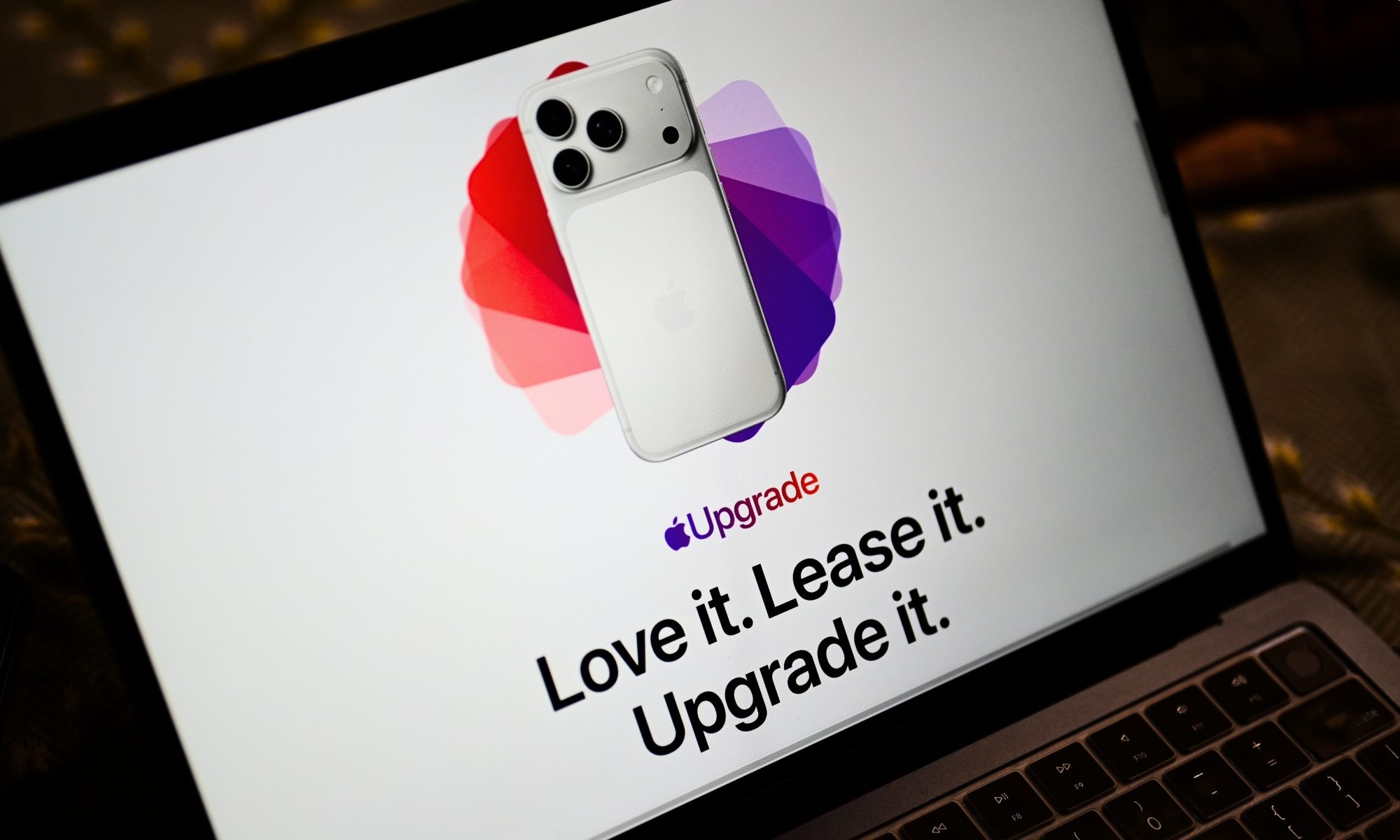
Apple recently announced its new Apple Upgrade leasing plan, which lets customers pay monthly for an iPhone, iPad, Mac, or Apple Watch through Klarna. The program replaces the long-running iPhone Upgrade Program and expands the option beyond phones for the first time.

However, code discovered by 9to5Mac in an iOS 27 beta raised concerns about what could happen if someone fell behind on payments. The new App Managed Features system appeared capable of checking a customer’s payment status and placing a financed device into Restricted Mode.

Read more