  1. Home
  2. Wearables
  3. News

Solos’ latest AI glasses are getting a literal privacy mode

Solos is pairing its camera-equipped AirGo V2 with a physical Privacy Kit while introducing a camera-free AirGo A6.

Add as a preferred source on Google
solos AirGo V2 Featured
solos

AI smart glasses have a trust problem. Even when they’re not recording, simply wearing a camera on your face can make people around you uneasy. Solos’ latest answer isn’t another blinking LED or software toggle. Instead, it’s a piece of plastic.

Two different approaches to solving the same problem

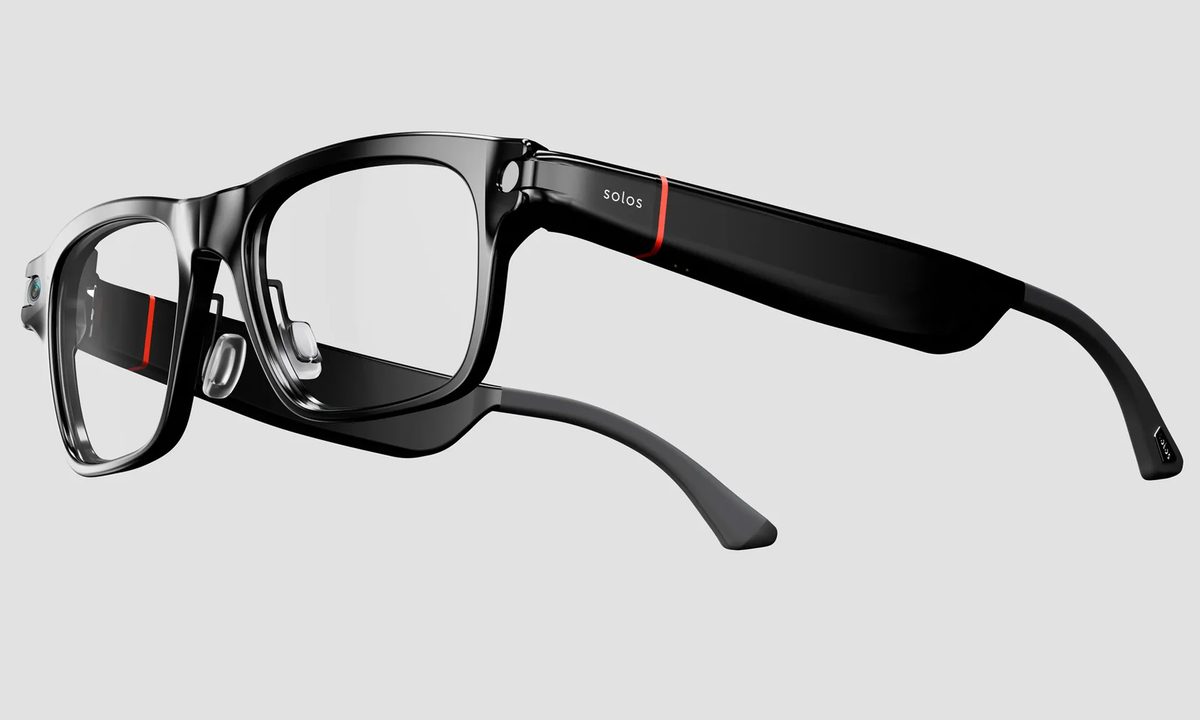
The company has unveiled two privacy-focused additions to its wearable lineup: the camera-free AirGo A6 smart glasses and a new Privacy Kit for the AirGo V2 that physically blocks the camera whenever users don’t want it active.
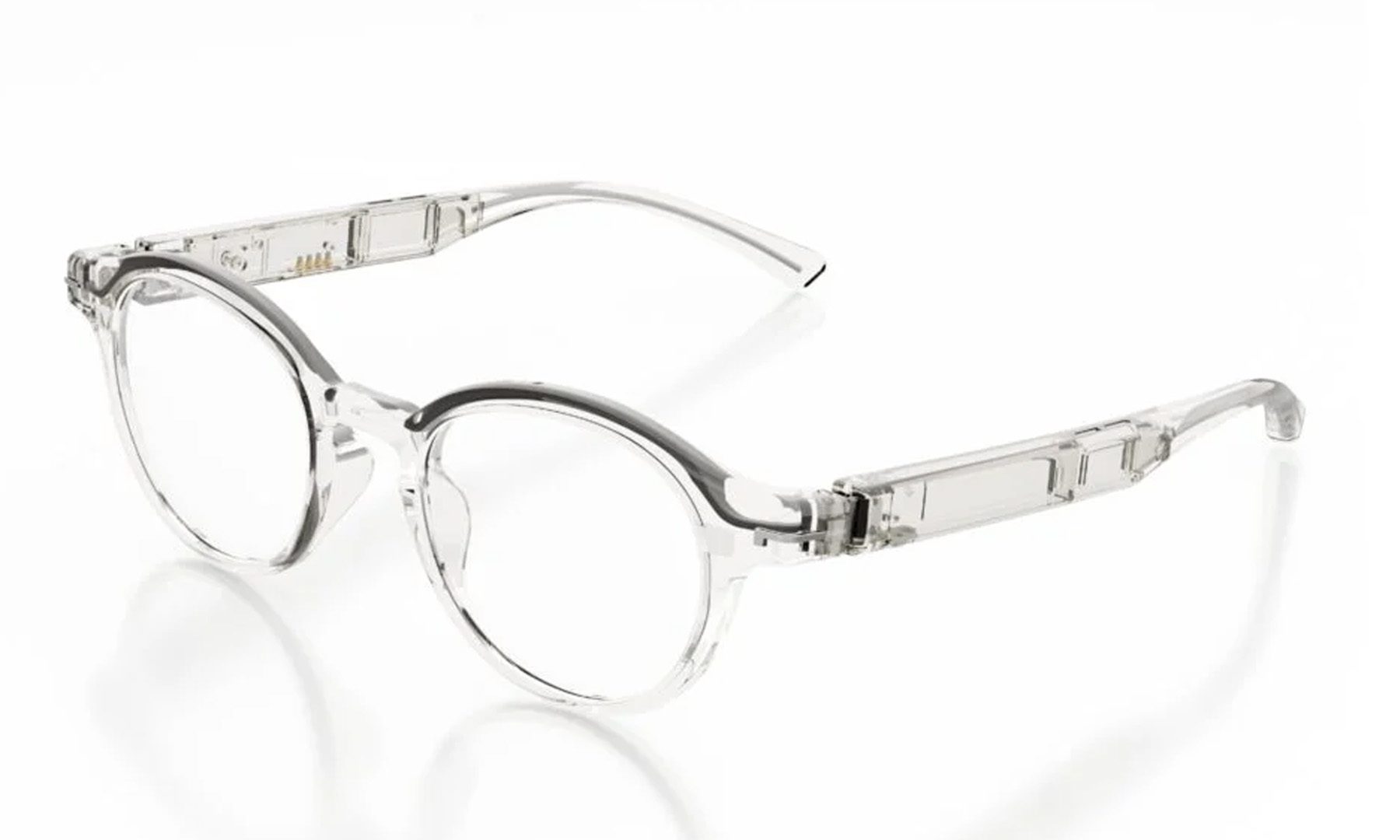
Unlike many AI smart glasses entering the market, the AirGo A6 doesn’t include a camera at all. Instead, Solos has focused on creating a lighter pair of everyday smart glasses that prioritize comfort, privacy, and a more traditional eyewear design. Users still get AI-powered features through the built-in microphones and speakers, including voice assistants, translations, notifications, and hands-free interactions — just without any image capture.
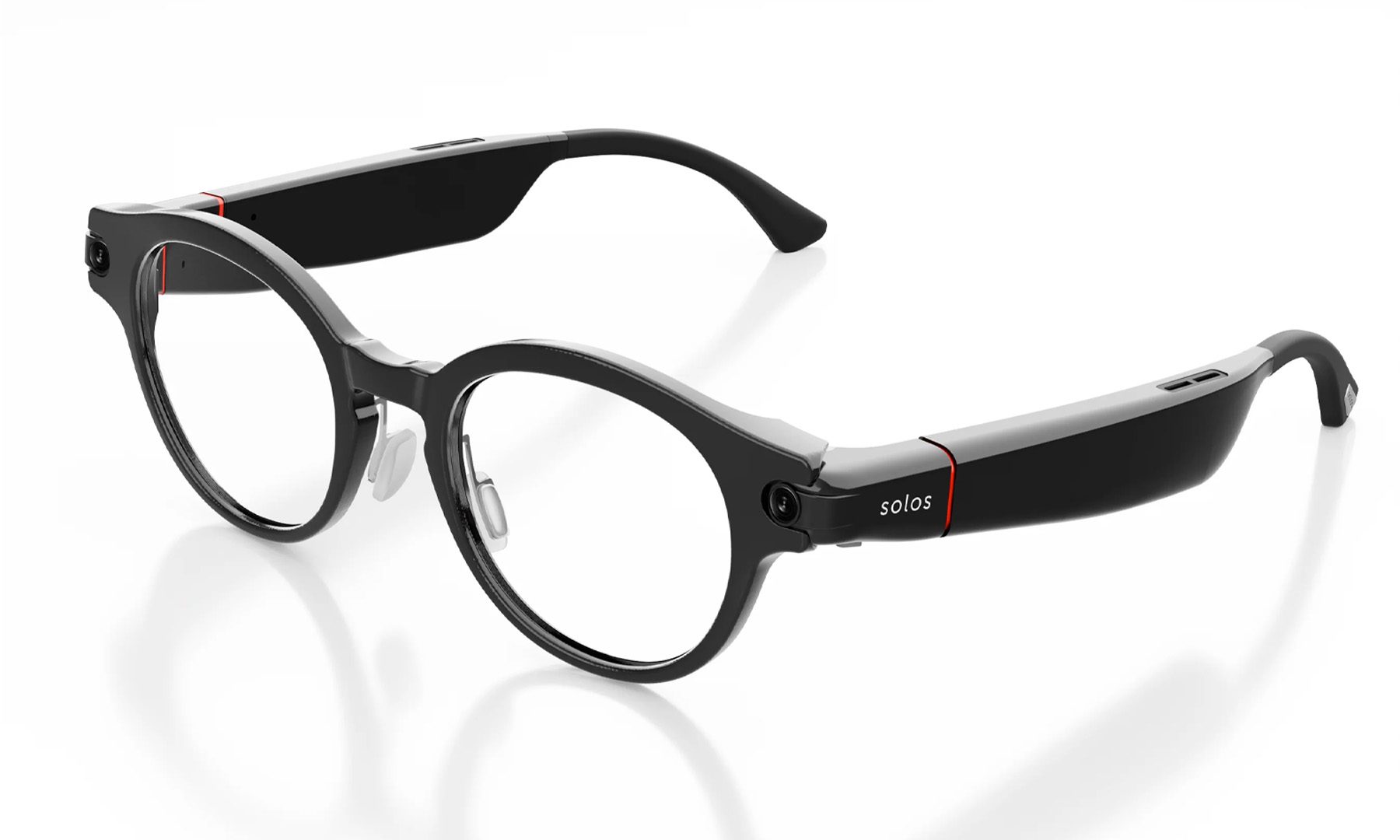
The camera hasn’t disappeared entirely, though. Solos has also launched the AirGo V2 globally, starting at $299. It features a 16MP camera capable of capturing 2K video, modular frames, and up to 12 hours of battery life, making it the company’s flagship option for users who do want visual AI capabilities.

A physical privacy switch beats software

To address concerns around wearable cameras, Solos is introducing a Privacy Kit for the AirGo V2. Rather than relying solely on software indicators or recording lights, the accessory physically covers the camera lens, making it immediately obvious to everyone nearby that the camera cannot see anything.
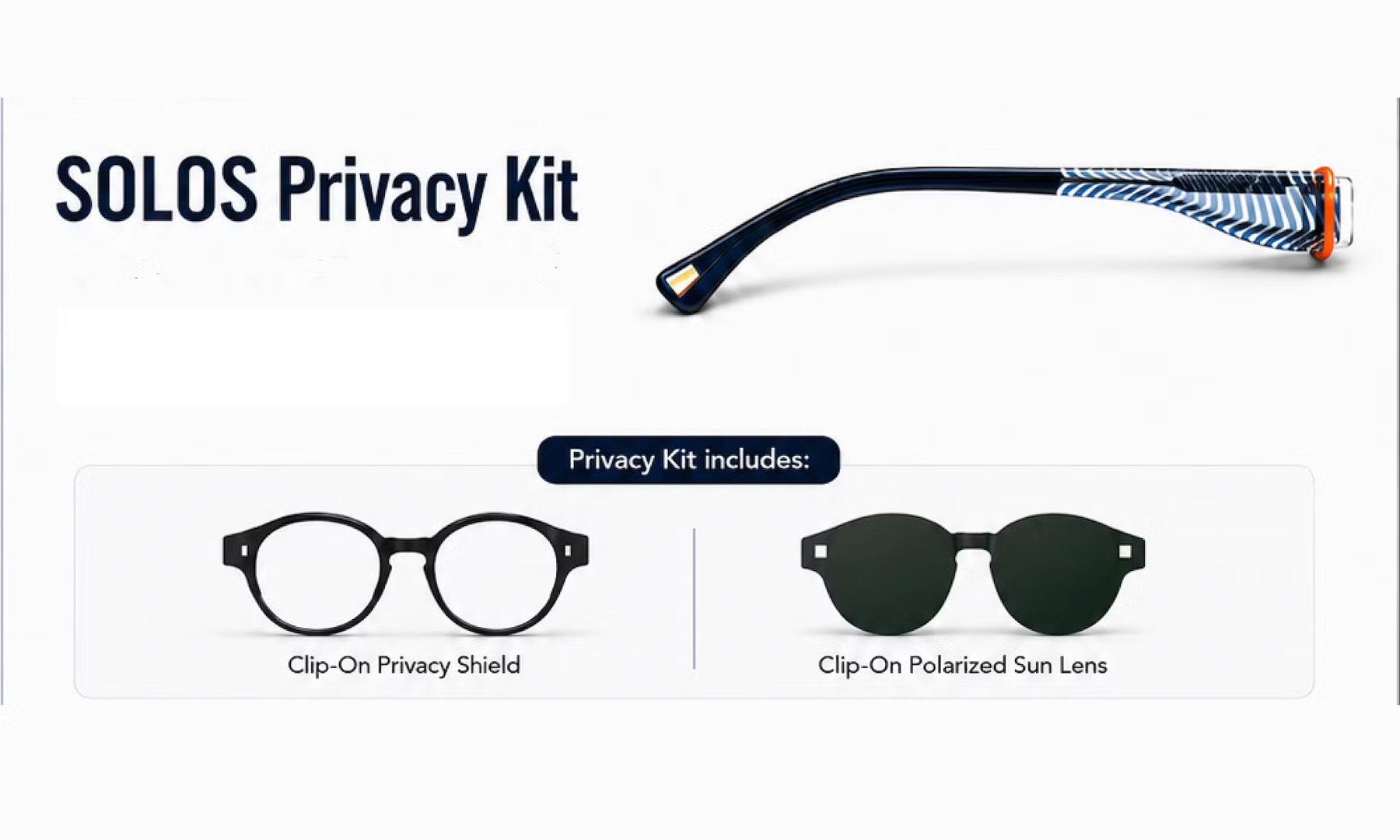
It’s a surprisingly low-tech solution to one of AI’s biggest perception problems. As smart glasses become more common, convincing bystanders that they aren’t being recorded may be just as important as convincing buyers to wear them. A removable plastic camera cover might not sound particularly futuristic—but it could end up being one of the most practical features we’ve seen on AI wearables so far.

Varun Mirchandani
Varun is an experienced technology journalist and editor with over eight years in consumer tech media. His work spans…
A smart glasses detector is now among the top paid apps on Apple’s App Store
Smart glasses have become so unsettling that people are buying proximity alerts
A Ray-Ban Meta Glasses wearer talks to another person using live translation.

An iPhone app designed to alert users when smart glasses may be nearby has climbed to No. 3 on the US paid App Store chart. Its name, AntiZuck Smart Glasses Scanner, leaves little doubt about how the developer feels about Meta’s camera-equipped glasses.

The app costs $2.99 and scans for Bluetooth signals linked to smart glasses. It can spot Meta Ray-Bans, Snap Spectacles, Amazon Echo Frames, and RayNeo glasses, then sends an alert when it believes one is nearby.

Read more
DuckDuckGo’s new smart glasses come with zero AI and 100% shade
No camera, no mic, no AI, just glass that blocks the sun the way sunglasses always have.
DuckDuckGo smart glasses

Smart glasses have quietly morphed into tiny surveillance cameras that people willingly wear on their faces. Every other week, a new pair promises to record video, listen to conversations, and feed it to an AI model somewhere in the cloud. They are causing such havoc that they have earned a new name: “pervert glasses.”

Not only are these glasses a privacy nightmare for people being recorded but also for people using them. A recent investigation by Swedish newspaper Svenska Dagbladet showed that Meta Ray-Ban glasses were uploading intimate and private recordings for training its AI. 

Read more
Apple’s new Upgrade plan won’t punish missed payments with restrictions, but three strikes could end your lease
Restricted Mode remains in iOS 27 beta, but Apple says it won’t be used for Upgrade payment defaults
Computer, Electronics, Laptop

Apple recently announced its new Apple Upgrade leasing plan, which lets customers pay monthly for an iPhone, iPad, Mac, or Apple Watch through Klarna. The program replaces the long-running iPhone Upgrade Program and expands the option beyond phones for the first time.

However, code discovered by 9to5Mac in an iOS 27 beta raised concerns about what could happen if someone fell behind on payments. The new App Managed Features system appeared capable of checking a customer’s payment status and placing a financed device into Restricted Mode.

Read more