1. Home
  2. Wearables
  3. News

Xreal Aura glasses put Android on your face and they will “try” to cost under $1,500

Xreal Aura tries to squeeze a whole XR headset into glasses

Add as a preferred source on Google
Person wearing Xreal Project Aura smart glasses.
Xreal

Xreal Aura is now one step closer to landing on your face. The company has opened reservations for Xreal Aura, its Android XR-powered smart glasses built with Google. The device was previously known as Project Aura, and it is shaping up to be one of the most important early tests for Android XR beyond full headset hardware.

Xreal is marketing Aura as a portable spatial computing device in a glasses-style form factor. So it’s more than just a simple pair of glasses that records or keeps track of your notifications. Aura combines lightweight glasses with a dedicated compute puck, letting the heavier processing and battery hardware sit off your face.

How it pushes Gemini into a big floating canvas

Aura runs on Android XR and brings Gemini into the experience. With user permission, Xreal says Gemini can understand what you see, along with what’s around and on your screen. Users can interact with the glasses via voice commands and multimodal help. The glasses feature a 70-degree optical see-through display. There’s also electrochromic dimming, a world-facing sensor array, hand tracking, 6DoF tracking, and DP-in support for connecting to a PC, laptop, or handheld console, which makes it quite versatile.

Recommended Videos

Under the hood, it uses a dual-chip setup. The compute puck is powered by Qualcomm’s Snapdragon Reality Elite platform, while the glasses house Xreal’s X1S spatial coprocessor for low-latency spatial display and sensor processing.

How much will it set you back?

The real jaw-dropping detail is the price tag. Xreal claims that the base model will not cost more than $1,500. But even that isn’t exactly cheap. It is still below Samsung’s Galaxy XR launch price and far below Apple Vision Pro territory. Reservations are live now. A $99 reservation deposit gets buyers a $199 launch credit, effectively saving $100 on the final purchase. Xreal is also adding a $299 Founder Pass for the first 2,000 customers, with numbered hardware and launch-day delivery.

The launch is expected in Fall 2026, though final pricing, configuration details, and shipping dates will likely be closer to the official release.

Vikhyaat Vivek
Vikhyaat Vivek is a tech journalist and reviewer with seven years of experience covering consumer hardware, with a focus on…
A smart glasses detector is now among the top paid apps on Apple’s App Store
Smart glasses have become so unsettling that people are buying proximity alerts
A Ray-Ban Meta Glasses wearer talks to another person using live translation.

An iPhone app designed to alert users when smart glasses may be nearby has climbed to No. 3 on the US paid App Store chart. Its name, AntiZuck Smart Glasses Scanner, leaves little doubt about how the developer feels about Meta’s camera-equipped glasses.

The app costs $2.99 and scans for Bluetooth signals linked to smart glasses. It can spot Meta Ray-Bans, Snap Spectacles, Amazon Echo Frames, and RayNeo glasses, then sends an alert when it believes one is nearby.

Read more
DuckDuckGo’s new smart glasses come with zero AI and 100% shade
No camera, no mic, no AI, just glass that blocks the sun the way sunglasses always have.
DuckDuckGo smart glasses

Smart glasses have quietly morphed into tiny surveillance cameras that people willingly wear on their faces. Every other week, a new pair promises to record video, listen to conversations, and feed it to an AI model somewhere in the cloud. They are causing such havoc that they have earned a new name: “pervert glasses.”

Not only are these glasses a privacy nightmare for people being recorded but also for people using them. A recent investigation by Swedish newspaper Svenska Dagbladet showed that Meta Ray-Ban glasses were uploading intimate and private recordings for training its AI. 

Read more
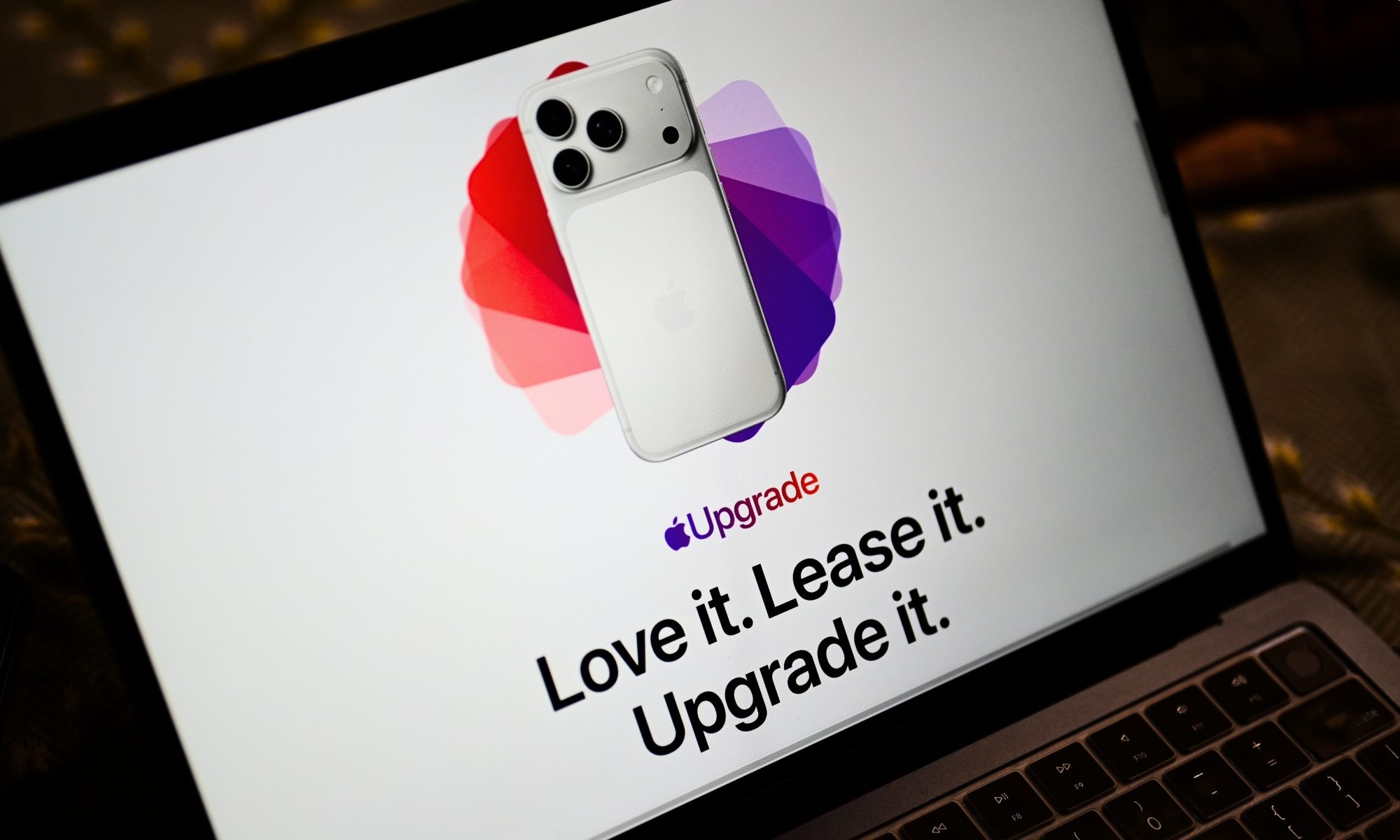
Apple’s new Upgrade plan won’t punish missed payments with restrictions, but three strikes could end your lease
Restricted Mode remains in iOS 27 beta, but Apple says it won’t be used for Upgrade payment defaults
Computer, Electronics, Laptop

Apple recently announced its new Apple Upgrade leasing plan, which lets customers pay monthly for an iPhone, iPad, Mac, or Apple Watch through Klarna. The program replaces the long-running iPhone Upgrade Program and expands the option beyond phones for the first time.

However, code discovered by 9to5Mac in an iOS 27 beta raised concerns about what could happen if someone fell behind on payments. The new App Managed Features system appeared capable of checking a customer’s payment status and placing a financed device into Restricted Mode.

Read more