  1. Home
  2. Wearables
  3. News

Your Galaxy Watch is losing a health feature, and the replacement needs another gadget

Samsung is killing Vascular Load on Galaxy Watches

Add as a preferred source on Google
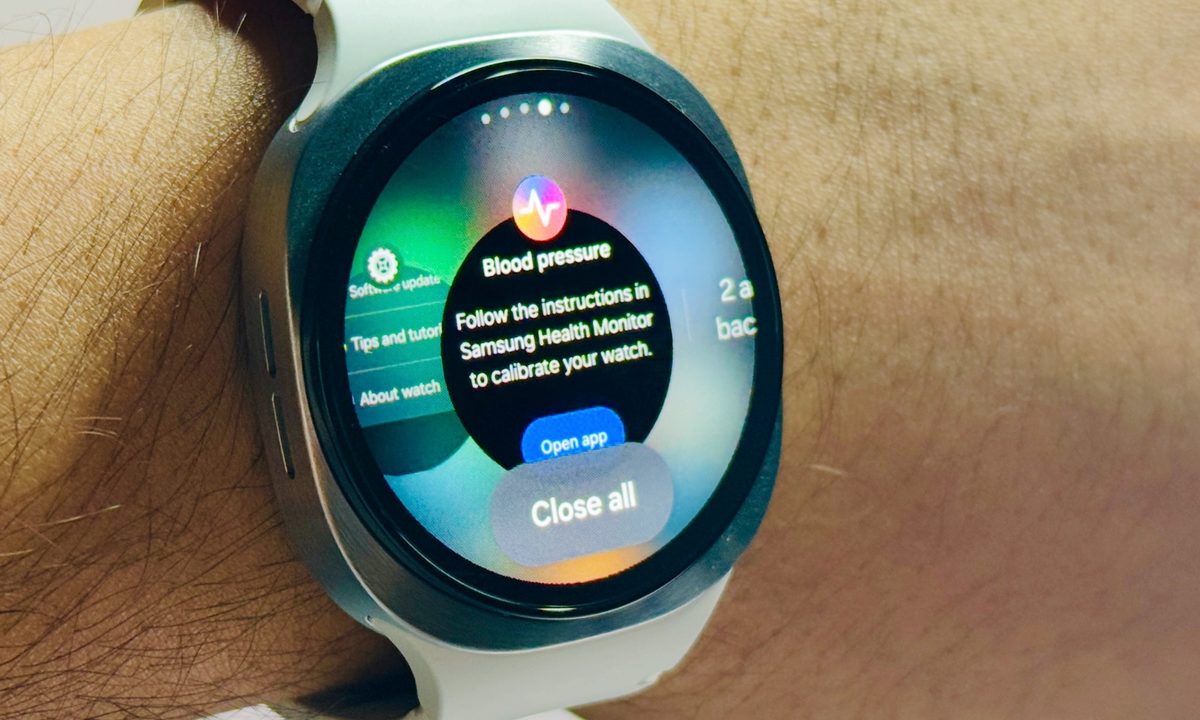
Blood pressure on Samsung Galaxy Watch 8.
Nadeem Sarwar / Digital Trends

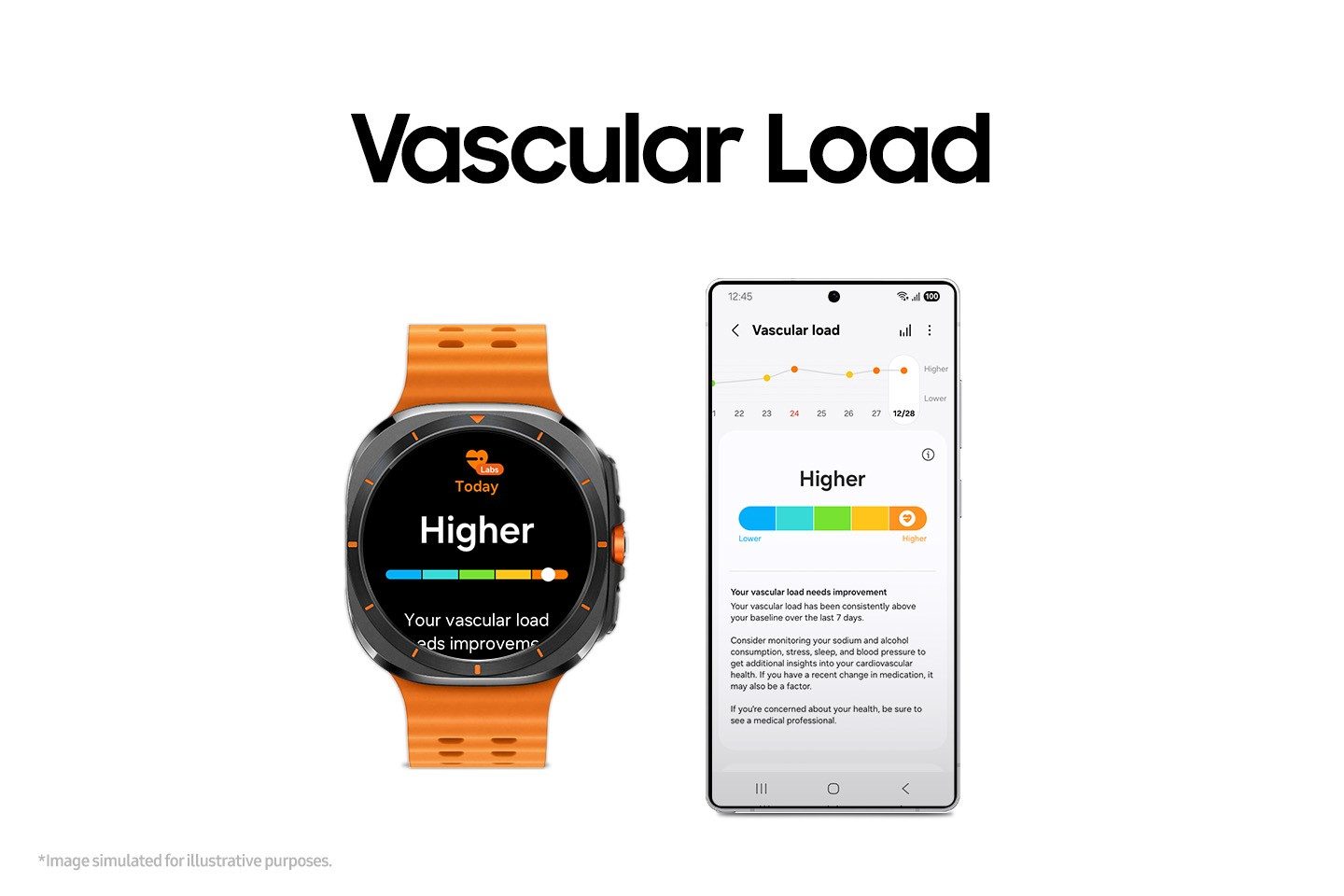
Samsung’s Galaxy Watches have been leaning harder into health features with every generation. Sleep scores, heart metrics, blood pressure, and much more are all big selling points. Samsung is removing the standalone Vascular Load feature for Galaxy Watch users in the United States.

According to a Samsung Health notice spotted by users on Reddit (via SammyGuru), the feature will no longer be available starting in late July with Samsung Health 7.0 and the One UI Watch 9 update. Samsung’s notice reportedly says existing Vascular Load records will also disappear from Samsung Health once the feature is removed. Users who want to keep that history need to export their personal data in advance through Samsung Health settings.
Why the replacement isn’t so great

Samsung is not leaving the space empty. The company is replacing Vascular Load with a new Blood Pressure Trend feature in the US. It sounds useful, but there’s a catch. Users will need to calibrate their Galaxy Watch with a traditional blood pressure cuff before using Blood Pressure Trend.

Recommended Videos

Samsung’s notice adds that the new feature will periodically measure blood pressure readings over time and offer trend information with wellness tips. It also carries the usual wellness disclaimer, meaning it is not meant to replace medical care.

So the trade-off is complicated. Vascular Load was a passive wellness metric. Blood Pressure Trend sounds more direct and potentially easier to understand. Though it asks you to bring another device into the setup.

Why this feels confusing

The biggest oddity is that the change appears to be US-specific. So it raises the question about whether regulation, labeling, feature overlap, or Samsung’s upcoming health-score system is behind the removal. Vascular Load may be folded into a broader Heart Health Score rather than disappearing entirely. But Samsung has not officially explained the full reasoning yet.

Digital Trends has reached out to Samsung for an official statement, and this story will be updated as soon as we hear back.

Until then, make sure to export the data if you use Vascular Load before this feature gets removed from your Galaxy Watch.

Vikhyaat Vivek
Vikhyaat Vivek is a tech journalist and reviewer with seven years of experience covering consumer hardware, with a focus on…
The OPPO Watch X3 has a ridiculous feature I cannot stop using
My smartwatch let me doomscroll from my wrist
Oppo Watch X3 Media Controls

While smartwatches were built to make us more health-conscious and have us reach for our phones less often. I always believed that a second (smaller) screen on your wrist basically can be just as distracting as your smartphone, and the Oppo Watch X3 decided to stop pretending by doubling down on this.

The Oppo Watch X3 comes with a dedicated remote control feature that lets me control my phone from my wrist, and I am having way too much fun messing around with it. This sounds ridiculous, but it has also been surprisingly handy.

Read more
Samsung’s smart glasses leak shows why your next Galaxy wearable may live on your face
Galaxy Glasses may turn Samsung’s Watch, Ring, and phone into one face-worn ecosystem
Samsung Galaxy Glasses leak

While Samsung already has a bunch of wearables, its upcoming smart glasses might tighten the experience even further. A new leak from SammyGuru offers an early look at the Galaxy Glasses Manager app, the companion app Samsung is expected to use for its new smart glasses.

The leak does not reveal final pricing, battery life, launch date, or every hardware spec. Unlike your typical leak that just hints at a device, the companion app actually makes it sound more real.

Read more
Meta will now charge you for the best AI feature on its smart glasses, and there’s a limit even if you pay
Meta is capping free Conversation Focus use to 3 hours per month, while Meta One Premium raises that to 15.
A person wearing the Ray-Ban Meta smartglasses.

Ray-Ban Meta glasses owners are getting less free use out of one of the glasses' AI features starting this month. Conversation Focus, which isolates and amplifies the voice of the person a wearer is talking to in loud settings, has been capped at three hours of use per month for anyone who doesn't pay for Meta One Premium. Meta confirmed the change on a support page this week, which also notes that a subscription is not required to use the AI glasses in general.

What the new usage tiers actually look like

Read more